
I’ve been exploring emerging blockchain infrastructures recently and S.I.G.N. immediately caught my attention. Unlike most projects that highlight scalability or flashy DeFi mechanics S.I.G.N. focuses on something far deeper how digital systems prove truth at scale.
Traditionally governments and large institutions relied heavily on trust. Citizens trusted authorities to manage identity, funds and approvals correctly. Businesses trusted regulators to enforce compliance and systems trusted one another through informal processes. But as systems scale across agencies, networks and public-private domains, blind trust becomes fragile. Errors, inefficiencies or even fraud can slip through, especially in high-impact programs like grants, welfare distributions or national digital currencies.
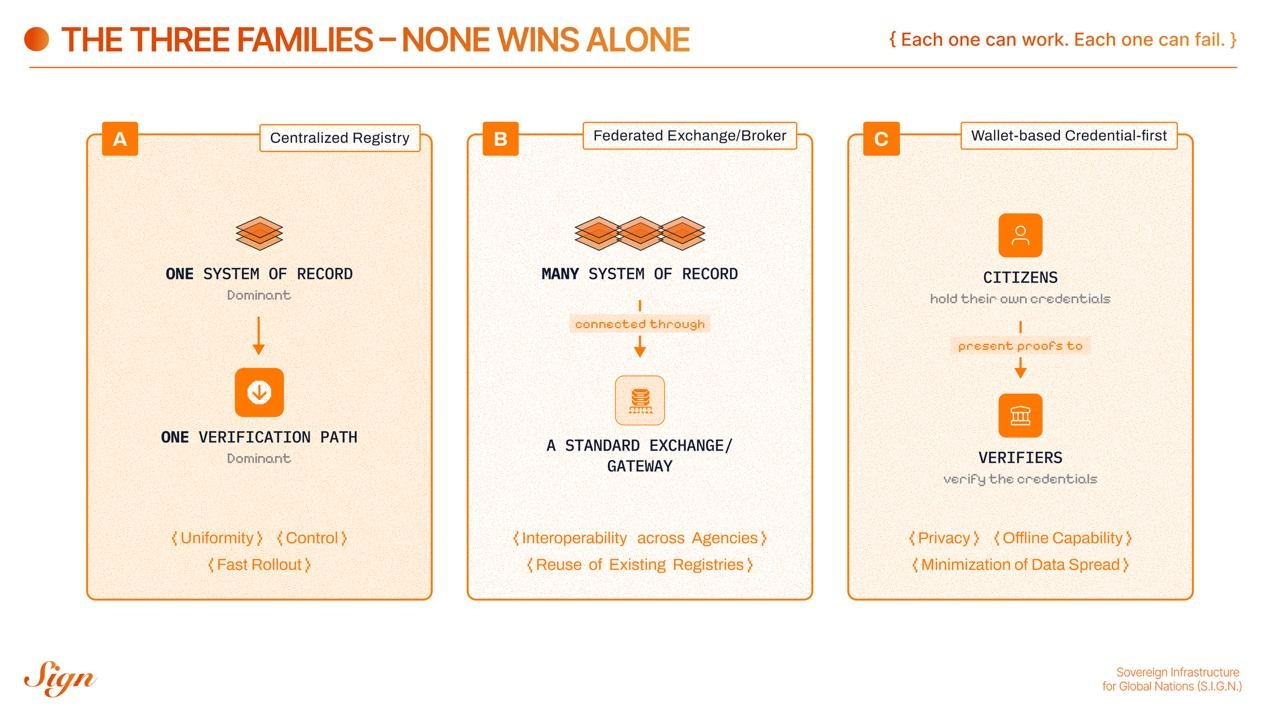
S.I.G.N. introduces a fundamental shift, don’t rely on trust verify it cryptographically. This is achieved through the Sign Protocol, which acts as an evidence layer across all sovereign digital systems. Every action whether verifying identity, approving a transaction or distributing funds produces a verifiable attestation. These records are cryptographically signed, timestamp education and anchored, ensuring they are traceable, auditable and tamper-resistant.
The system unifies three critical domains
1. Digital Money: CBDCs and regulated stablecoins operate on public or private rails with real-time settlement, policy-controlled limits and supervisory visibility. Every transaction can be independently verified without exposing sensitive data.
2. Identity: National identity systems leverage verifiable credentials (VCs) and decentralized identifiers (DIDs), allowing selective disclosure and privacy-preserving verification. Users can prove eligibility without unnecessary exposure of personal information.
3. Capital Distribution: Grants, benefits and incentives are programmatically allocated and tracked. Identity-linked targeting and schedule-based distributions prevent duplicate claims while maintaining deterministic reconciliation for audits.
What excites me is how evidence-first thinking transforms the way governments and large institutions operate. For example, consider a welfare program eligibility verification, approval and fund transfer all generate attestations. Any oversight, dispute or audit can be resolved by referencing these proofs no guesswork or manual reconciliation needed. In essence, S.I.G.N. makes governance programmable, accountable and verifiable.
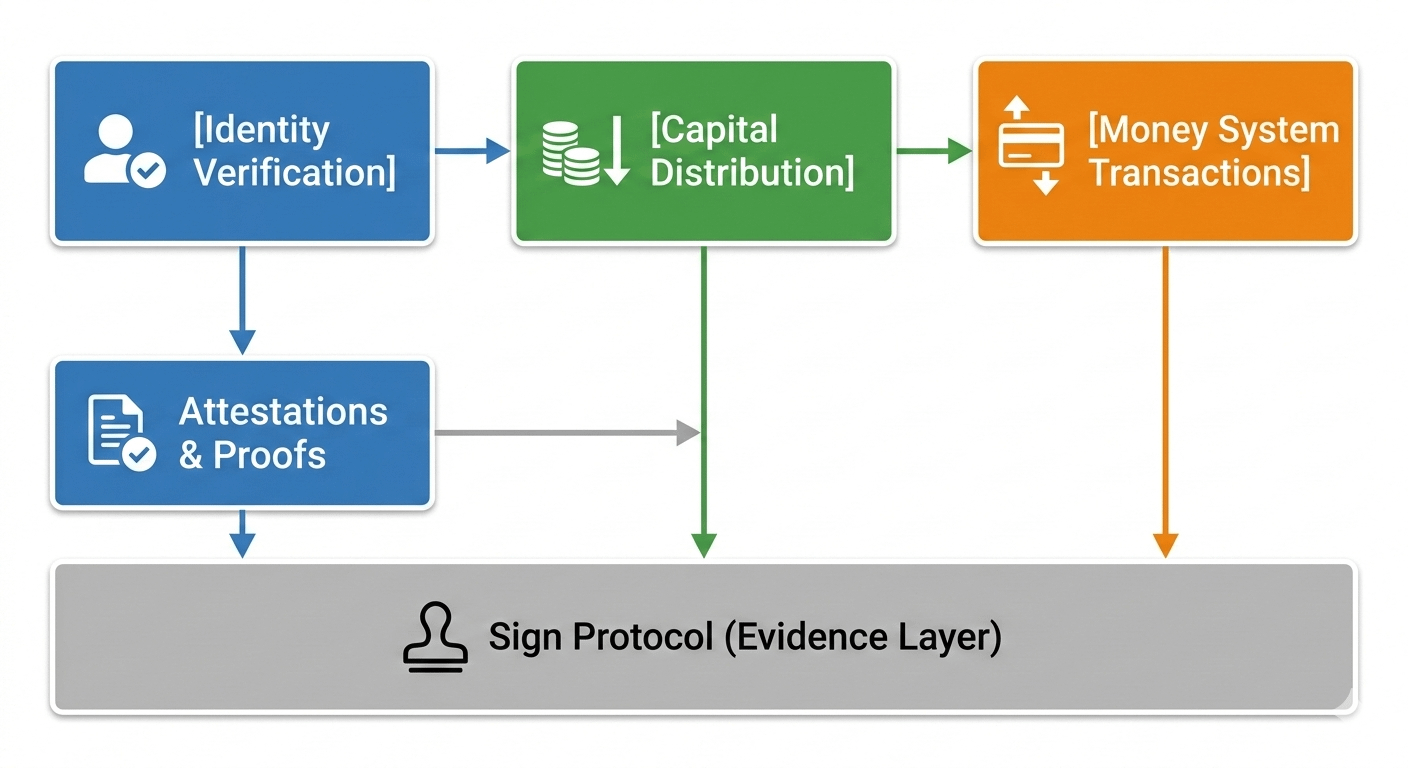
Beyond infrastructure, the platform emphasizes privacy and operational control. Sensitive data can remain off-chain or encrypted, yet all attestations remain verifiable through Sign Protocol’s hybrid models, including zero-knowledge proofs when required. This combination of privacy, auditability and real-time transparency is rare and positions S.I.G.N. as a pioneer in sovereign-grade digital systems.
From a creator’s perspective exploring S.I.G.N. offers a unique narrative. It’s not just a blockchain project. It’s a blueprint for national digital infrastructure built on verifiable truth, not assumptions. Projects like these demonstrate that crypto and blockchain can solve real-world governance and operational challenges, beyond speculative trading or hype.
I personally find this fascinating because it bridges the gap between on-chain innovation and real-world impact. Instead of flashy slogans or unverified “moon” claims, S.I.G.N. presents a tangible, implementable model for how nations can handle digital money, identity and capital distribution securely and efficiently.
In a space where credibility is everything S.I.G.N.’s approach stands out. It reminds me that the most revolutionary ideas aren’t always the loudest they’re the ones that enable systems to function transparently, reliably and verifiably at scale.