

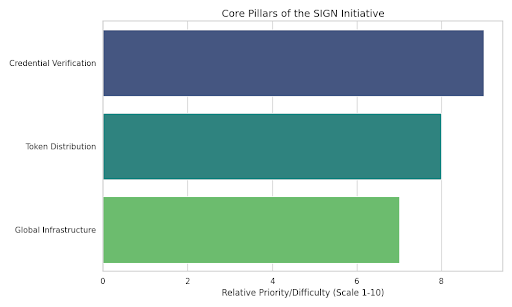
SIGN caught my eye not because it shouted, not because it had a slick tagline, but because it just sat there, quietly pointing at a problem nobody seems to want to face. Credential verification, token distribution, global infrastructure—the words are heavy, sure, but they’re not trying to be catchy. They’re trying to name something that keeps breaking over and over. I’ve seen a thousand projects promise clarity and convenience, and most of them collapse the second tokens hit wallets or accounts hit the wrong inbox. So my first reaction wasn’t excitement. It was a sigh and a pause. The usual fatigue.
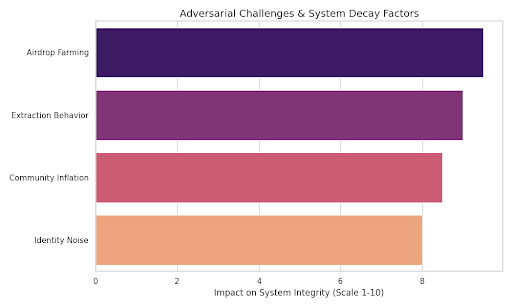
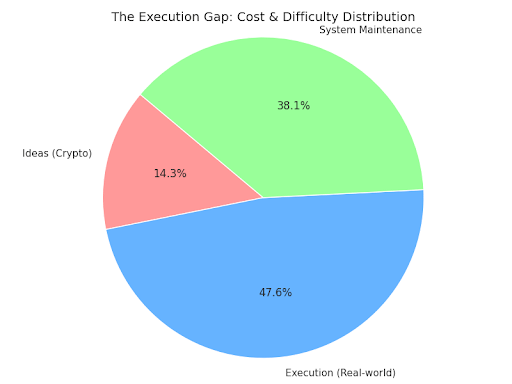
I kept looking anyway. Because ideas in crypto are cheap. Execution is expensive. The place where things always fail is right in the middle—when real people have to interact with your system. When someone decides who is real, who gets access, who collects rewards. That is the ugly part. The part that nobody wants to design for because it’s messy, adversarial, and thankless. Airdrops get farmed, communities get inflated, and everything starts looking like growth until you zoom in and see the same wallets, the same behaviors, optimized for extraction.
SIGN is staring straight at that mess. It’s not trying to be heroic. It’s not promising to make everything perfect. It’s trying to separate signal from noise in a space where noise always wins unless you intervene. Verification is never clean, distribution is never fair, and global infrastructure is never simple. But if you can get even a little better at the first two, you slow down the rot that always creeps in. That is what makes me pay attention, even if I’m skeptical.
I’ve seen these systems drift before. Verification turns into gatekeeping. Fair distribution turns into selective access. Incentives warp, users adapt, the system bends in ways the builders never expected. There is no final answer. There is only the tension, the tug-of-war, and whether a project can hold its shape long enough for something real to emerge.
SIGN doesn’t hide from that tension. It seems to assume the mess exists and builds around it. That alone makes it more believable than another shiny project deck promising clean decentralization. I’m not convinced it will scale, or that adoption will be smooth, or that incentives won’t get twisted. I’m not convinced the market even cares yet. But it’s looking at a problem that keeps showing up, again and again, in different clothes.
I’m watching, still skeptical, still tired of the usual hype. But I’m not looking away either. Sometimes the projects worth noticing don’t scream—they just show up in the places everyone else has learned to ignore, and try to deal with the parts that break. SIGN feels like one of those. Maybe it works, maybe it doesn’t. But it’s holding my attention longer than most.