
After a prolonged period of underperformance, early signs of an altcoin recovery are beginning to surface across the crypto market. While Bitcoin remains the dominant narrative driver, the broader ecosystem often follows a cyclical pattern where capital eventually rotates into higher-risk, higher-reward assets—namely altcoins.
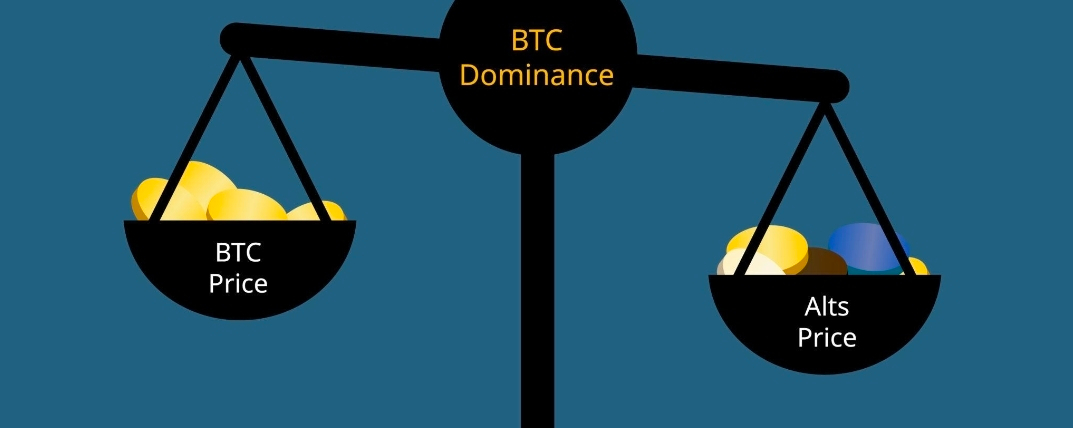
One of the clearest signals comes from Bitcoin dominance. When BTC leads the market during uncertain conditions, dominance rises as investors seek relative safety. But once Bitcoin stabilizes or consolidates after a strong move, capital tends to flow outward. A declining dominance chart has historically been one of the earliest indicators that altcoins are about to regain momentum.
Another important factor is liquidity expansion. As global liquidity conditions improve—whether through monetary policy shifts or increased market participation—risk appetite returns. Altcoins, being more volatile, typically benefit disproportionately from these conditions. This is why even modest inflows into crypto can trigger outsized gains across mid- and low-cap tokens.
Market structure also plays a role. Many altcoins are currently trading significantly below their previous all-time highs, creating a psychological and technical setup for “catch-up” narratives. Traders begin positioning based on mean reversion expectations, especially when Bitcoin holds strength without making aggressive new highs.
On-chain activity further supports the recovery thesis. Increased wallet activity, rising transaction volumes, and renewed developer engagement across ecosystems like DeFi and Layer 2 solutions suggest that the underlying fundamentals are not stagnant—even if price action has lagged.
Sentiment, as always, is the final piece. Altcoin recoveries often begin when skepticism is still high. When narratives shift from “dead coins” to “undervalued opportunities,” momentum can build quickly, catching sidelined participants off guard.
All of this doesn’t guarantee an immediate altcoin season—but it does suggest that the conditions for one are quietly forming. In past cycles, these early signals appeared well before the broader market recognized what was happening.