
I was standing in my kitchen this morning, staring at a half-empty coffee mug, thinking about how most things in life that stick with you aren't the flashy ones. They're the quiet routines that slowly shape your days without demanding applause—like watering plants or checking on an old friend. That ordinary rhythm feels reliable until something disrupts it.
Scrolling through Binance Square later, I opened the CreatorPad campaign task for “Barriers and Risks Affecting the Adoption of $PIXEL”. I clicked into the post editor, typed a few lines about user friction in onboarding, then paused at the character counter and the required hashtag field. That small, mechanical moment—watching the word count tick up while forcing in #pixel and @Pixels—hit me oddly. It wasn't the content itself, but the forced structure that triggered it.
The uncomfortable idea that surfaced is this: the biggest barrier to crypto adoption isn't volatility, regulation, or even bad UX—it's that we've convinced ourselves every project needs constant external validation through campaigns and visibility stunts to matter, when real staying power often comes from internal coherence that doesn't beg for attention.
This isn't unique to one task. It echoes across the space. We celebrate projects that run reward pools and leaderboards because they create measurable buzz, but that very mechanism trains users to chase incentives rather than build habits. In the Pixels ecosystem, where farming, crafting, and exploration form the core loop on Ronin, the quiet risk is that adoption discussions get hijacked by how loudly a project signals itself rather than how seamlessly its economy holds together without constant prodding. When gameplay feels primary and rewards feel delayed or effort-based, retention might actually improve, yet the narrative still orbits around token visibility and campaign participation metrics.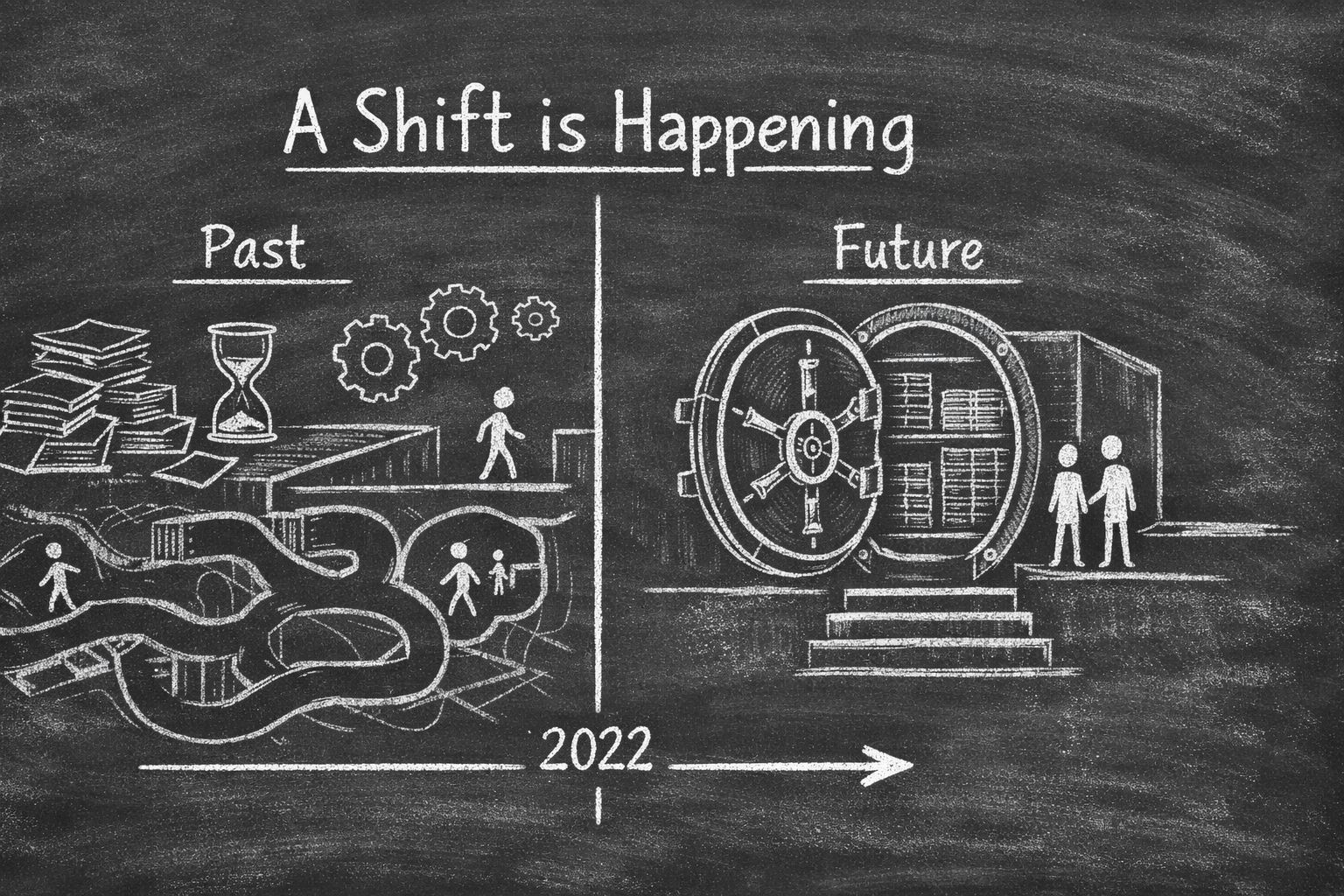
Pixels serves as a clear example here because its free-to-play social farming model already tries to separate everyday Coins for in-game flow from the premium PIXEL layer used for staking and governance. The campaign task forced me to list barriers like complexity or trust issues, but sitting there in the editor made the contradiction sharper: we're listing risks while participating in a system that rewards posting about those risks. It reveals how crypto communities have internalized the idea that discussion equals progress, even when the discussion itself becomes performative.
This pattern extends beyond any single game. Many Web3 efforts end up prioritizing narrative control and community metrics over the mundane work of making systems feel natural. People join for the story of rebellion or ownership, but drift away when the daily experience doesn't match the hype. The real disturbance is realizing that "adoption" metrics often measure noise—likes, shares, campaign completions—rather than quiet, sustained engagement that doesn't need external fuel. We've built an industry where projects must constantly prove relevance through visibility, yet the projects that might last are those whose internal logic doesn't collapse the moment the incentives slow.
It leaves me wondering: what if the projects we remember aren't the ones that mastered campaign tasks and hashtag discipline, but the ones whose underlying loops were strong enough that external validation felt secondary?