
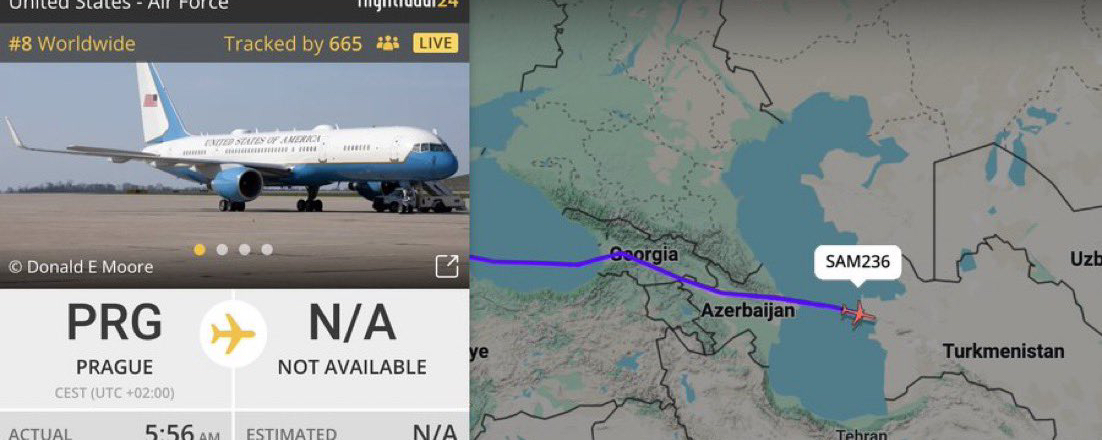
Over the past few hours, I’ve been watching a development that could carry more weight than it appears on the surface. JD Vance is expected to arrive in Islamabad at any moment, and from my perspective, timing like this is never random.
What stands out to me is the broader context. The region is already dealing with heightened geopolitical tension, shifting alliances, and ongoing negotiations around security and trade. A high-level visit like this usually signals that discussions are moving beyond routine diplomacy and into something more strategic.
From where I’m standing, visits like this tend to focus on multiple layers at once—security cooperation, regional stability, economic ties, and backchannel negotiations. Islamabad has often played a role in facilitating dialogue during complex situations, which makes this visit even more relevant in the current environment.
Another thing I’m noticing is how these kinds of meetings often happen quietly, but their outcomes can shape larger narratives. Whether it’s coordination on regional issues or alignment on broader geopolitical strategies, the real impact usually unfolds after the headlines fade.
At the same time, I think it’s important to stay measured. Not every visit leads to immediate breakthroughs, but they often lay the groundwork for future moves. In diplomacy, timing and presence can be just as important as official announcements.
From my perspective, the key takeaway is simple:
This isn’t just a routine visit—it’s a signal.
A signal that conversations are happening at a higher level during a sensitive moment.
And when high-level officials move quickly like this, it usually means decisions—or at least directions—are being shaped in real time.
Right now, all eyes are on what comes next.
Because while the arrival itself is important,
It’s the discussions behind closed doors that will define the real impact.