

The history of Web3 gaming is littered with the remains of "next big things" that burned out in months. The pattern is almost rhythmic: a wave of hype, a token launch, a frantic rush of "players" farming rewards, and then the inevitable collapse as sell-pressure outweighs utility. Most GameFi projects aren't games at all; they are gamified liquidity pools.
Pixels is the anomaly. It didn't just survive the initial reward-cycle crash; it grew. By shifting the focus from pure extraction to genuine engagement, it managed to sidestep the immediate death spiral that claimed its predecessors. However, survival is not the same as sustainability. Pixels has delayed the fundamental crisis of Web3 economics, but it hasn't solved it.
The Architecture of Survival
Pixels succeeded where others failed because it prioritized the gameplay loop over the financial loop In most Web3 models, the game is a chore you perform to get a paycheck. In Pixels, farming, exploration, and social interaction are the primary drivers.
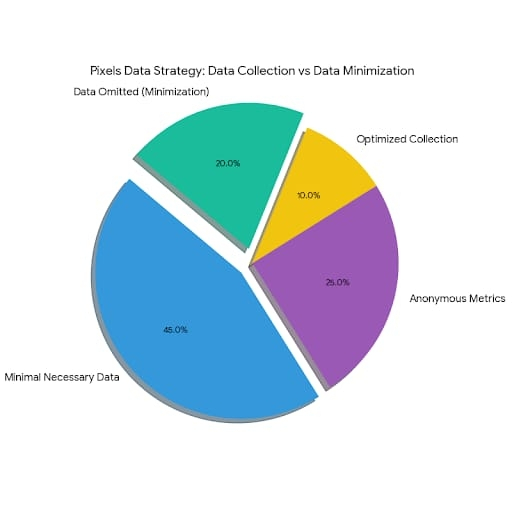 Low Barriers to Entry By removing heavy upfront NFT costs, Pixels opened the gates to a mass audience, reaching daily active wallet counts that rival traditional indie games.
Economic Insulation:** The team smartly separated the gameplay currency from the primary value-extraction token. This creates a buffer, preventing every minor in-game action from directly tanking the market.
Player Retention:* People log in because they have a routine. They have "digital chores" they actually enjoy. This creates organic demand**, which is the holy grail of any digital economy.
But beneath this polished exterior, a structural tension remains.
The Optimization Paradox
The greatest threat to Pixels isn't a lack of players; it’s the players themselves. In a traditional game, if you find a "broken" mechanic that grants infinite gold, you might ruin your own fun. In a Web3 game, you are financially incentivized to exploit that mechanic until the economy breaks.
Players in Web3 are not neutral participants; they are If a specific crop or crafting recipe becomes 2% more profitable than others, the player base will pivot en masse. This creates:
Supply Shocks: Sudden gluts of specific resources that drive prices to zero.
 Resource Saturation: When everyone is a producer and no one is a consumer, the value of labor evaporates.
The Feedback Loop of Boredom. When optimization replaces play, the "game" becomes a spreadsheet. Once the rewards dip below a certain hourly wage, the optimizer exits.
Pixels manages this through "sinks"—mechanics like land upgrades and crafting that remove resources from the system. But these sinks are a treadmill. If the sinks aren't aggressive enough, inflation devalues the player's time. If they are too aggressive, the game feels like a tax.
The Core Problem: Where Does the Value Come From?
We have to be honest about the "circular" nature of current Web3 economies. In most cases, the value inside the system is simply the recycled capital of the players. Player A buys a resource from Player B using a token that Player C just bought on an exchange.
As long as the player base is growing, the system feels vibrant. New capital enters, demand for land and resources stays high, and the "exit liquidity" is refreshed. But the moment growth plateaus, the music stops.
The Critical Question What happens to a player-driven economy when every participant is trying to maximize their own advantage, and no new participants are arriving to foot the bill?
For Pixels to achieve true longevity, it must transition from a closed loop to an ecosystem. It needs "External Value Inflow"—value that doesn't depend on the next player’s buy-in. This could take several forms:
Brand Integration Companies paying for presence or utility within the Pixels world.
Platform Utility: Pixels evolving into a "launcher" or a social layer for other games.
Pure Consumer Spend: Players spending money on cosmetics or experiences simply because they are fun, with no expectation of a financial return.
The Intelligence of the Player
One of Pixels' greatest strengths is that it respects the player’s intelligence. It doesn't treat the audience like mindless clickers; it treats them like participants in a living market. This creates a more rewarding experience because success feels earned rather than gifted.
However, this high-agency environment is also high-risk. Trading is the "breathing" of the economy. It allows the market to self-correct, but it also allows for predatory behavior and market manipulation. When the economy is truly player-driven, the developer loses the ability to "fix" prices without destroying the illusion of decentralization.
The Verdict: A Strong Foundation on Shifting Sands
Pixels is arguably the most successful "Second Generation" Web3 game. It proved that you can build a massive, engaged community without relying on the hyper-inflationary tactics of the 2021 era. It proved that retention is possible in a space known for "pump and dump" behavior.
But the "Death Spiral" hasn't been defeated; it has been slowed down. The fundamental gravity of Web3—the tendency for users to extract more value than they provide—is still pulling at the game.
The real test for Pixels won't happen during its next growth spurt. It will happen during its first prolonged period of stagnation. If the community stays because the world is worth inhabiting, even when the rewards are lean, then Pixels will have truly solved the Web3 puzzle. If the value only exists as long as the "New Player" meter is ticking up, then the spiral is merely waiting for its turn.
Right now, Pixels is a brilliant experiment in digital governance and economic balance. It has escaped the initial fire, but it is still walking through the smoke. The hard part isn't attracting a million players; it’s keeping them when the "returns" stop being the point of the game. @Pixels #pixel $PIXEL
