
I opened the Newton Protocol flow expecting the wallet signature to feel like the main permission moment.
It didn’t.
That was the part that bothered me.
Not the transfer screen. Not the contract call.Not the fact that the transaction could technically execute.
The line that stayed with me was simpler.
A correct signature proves control.
It does not prove permission.
That sounds obvious after you say it.
But Web3 has trained users to forget the difference.
The wallet opens. The transaction appears.The user checks the amount. The destination looks familiar enough.The gas fee is visible. Then the signature happens.
And once the signature happens, the whole action starts feeling authorized.
Signed. Approved. Allowed.
Too fast.
Newton Protocol makes that assumption feel weaker.
Because the signature only answers one question.
Did this key approve this transaction?
Useful question. Necessary question. Still not the whole question.
It does not ask whether the transfer intent fits the policy. It does not ask whether the agent had authority. It does not ask whether the amount crossed a limit. It does not ask whether the destination was allowed.
It does not ask whether this signed action should move under the rules that were supposed to govern it.
That is where the boundary appears.
A wallet signature proves control over the key.
Newton asks for permission beyond the key.
That difference matters because the most dangerous transaction is not always an unsigned attack.
Sometimes it is a perfectly signed action that should never have been allowed.
Clean signature. Wrong intent. Valid signer.Missing authorization.
Technically executable. Policy rejected.
That is the kind of gap normal Web3 interfaces make hard to see.
They give the signature too much emotional weight.
Once the wallet says approved, users stop asking what else should have been checked.
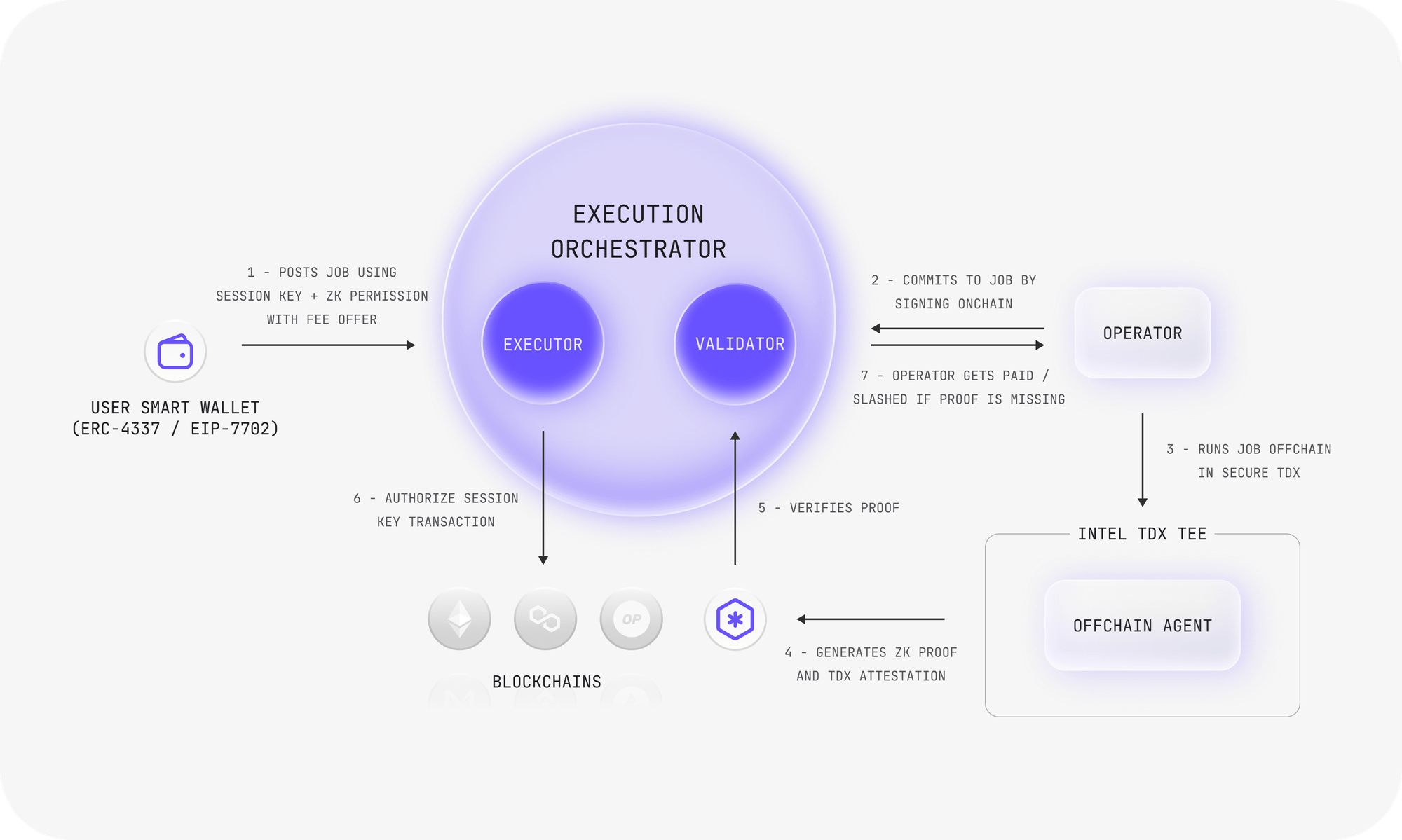
Newton does not let the signature carry that much meaning by itself.
The transfer intent still has to survive the policy path.
The authorization still has to be proven.
The contract still needs the attestation before it lets the action through.
That is the part I kept coming back to.
Contract rejection without attestation.
It almost feels strange at first.
Because the user signed.
The transaction looks ready. The chain would understand it.
The call is properly formed.
But Newton adds the second question at the exact place where Web3 usually stops thinking.
Should this signed transaction be allowed?
That is where BLS aggregate attestation becomes interesting.
Not as a fancy cryptographic label.
Not as another badge to make the flow look serious.
As the signal that the required authorization path agreed before execution.
The contract is not being asked to trust a vague statement that policy was checked.
It is not relying on someone’s dashboard note after the fact.
It is not waiting for a human to explain later why the action was supposed to be acceptable.
It requires the proof at the gate.
No attestation. No execution.
That is a very different feeling from the old wallet logic.
The old logic says:
the key signed, so the chain can process.
Newton’s logic says:
the key signed, but the rules still have to allow.
I think this becomes even more important with AI agents.
A human can misunderstand a wallet prompt. An agent can misunderstand faster.
It can prepare a transfer intent from a broad instruction. It can move through routes. It can call contracts.It can rebalance funds. It can treat permission like a general atmosphere instead of a hard boundary.
And if the only checkpoint is the wallet signature, then agent authority becomes too flat.
The key had access.
So the action moved.
That is not enough.
An agent may be allowed to transfer inside one limit.
Not above it. Allowed to interact with one protocol. Not another. Allowed to rebalance. Not withdraw. Allowed during normal conditions. Not during a risk event. A wallet signature cannot express all of that.
Newton Protocol makes that missing layer visible.
That is the uncomfortable part of the design.
It reminds you that control is not permission.
Control says who can act.
Permission says whether this action belongs inside the allowed zone.
Those are not the same thing.
And once you see the difference, the wallet signature stops looking like the end of authorization.
It becomes the beginning of a harder check.
Signature. Transfer intent. Policy path. BLS aggregate attestation.Contract acceptance or rejection.
Each step answers a different question.
The danger starts when users collapse all of them into one feeling.
Approved.
That word is too soft.
Approved by the wallet?Approved by the rules?Approved by the attestation layer? Approved by the contract gate?
Newton Protocol forces those apart.
That is why signed does not mean allowed.
It means the key participated.
Nothing more. The rest still has to be proven.
And that is the boundary I’m watching with Newton.