
Why I Think Authorization Is the Missing Layer in DeFi
When I first started using DeFi, I believed that once a transaction reached the blockchain, everything was already secure. The more I learned, the more I realized that security is not only about what happens after a transaction. Sometimes the most important decision is whether that transaction should happen at all.
That is why Newton Protocol caught my attention.
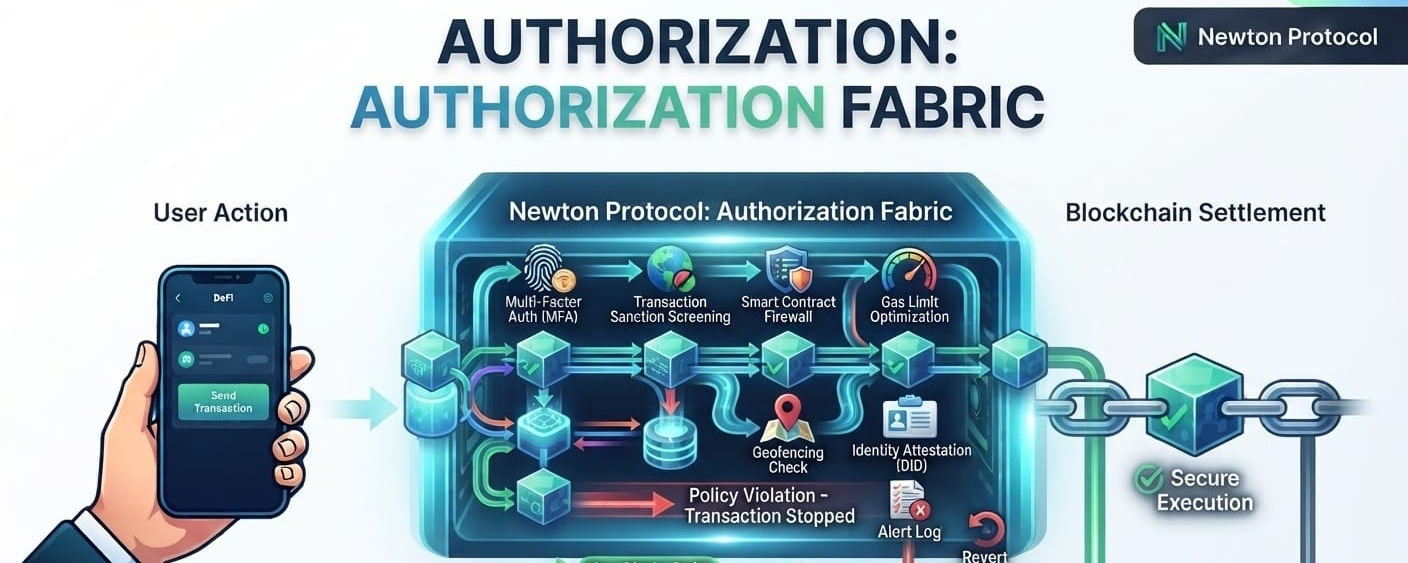
Most blockchain tools help us understand what already happened. They track wallets, analyze transactions, or generate reports after the fact. Newton takes a different approach. It checks a transaction before it is completed. If a policy says something should not happen, the system can stop it before assets move.
To me, this feels like a missing piece of DeFi.
Imagine a vault that manages funds for many users. It may have rules about who can interact with it, how much risk is acceptable, or what security checks must pass first. These rules often exist outside the blockchain, making them difficult to verify. Newton Mainnet Beta brings those policies onchain, where they can be enforced and verified before settlement.
I also like that Newton is not focused on only one problem. It combines identity, compliance, security, and risk into a single authorization layer. That could make DeFi easier to trust for both individual users and larger organizations.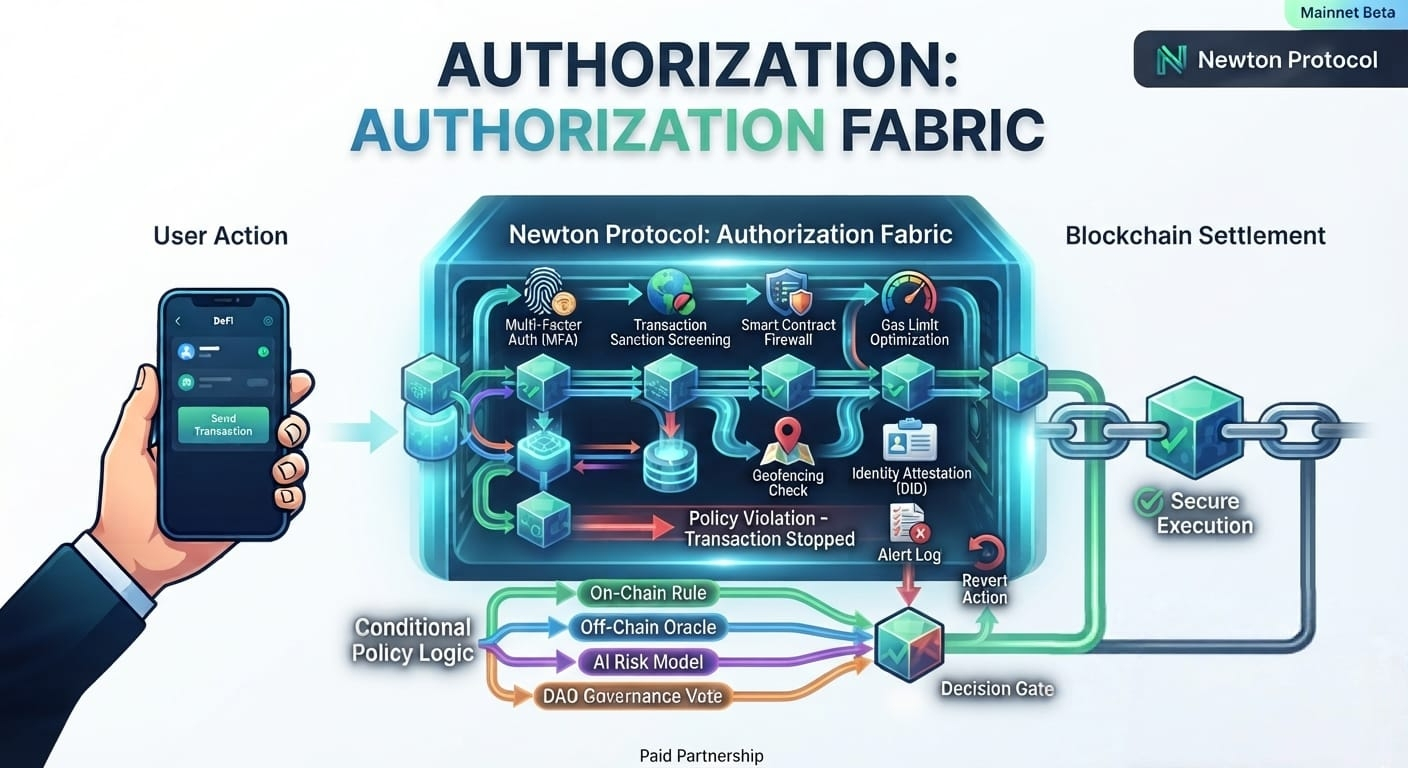
As DeFi grows and AI begins handling more financial decisions, I believe authorization will become just as important as execution. Fast transactions are valuable, but making the right decision before those transactions happen may be even more important.
Newton Protocol is exploring that idea with its Mainnet Beta, and I'm interested to see how this approach develops as the ecosystem grows.
@NewtonProtocol @NewtonProtocol $NEWT #Newt