
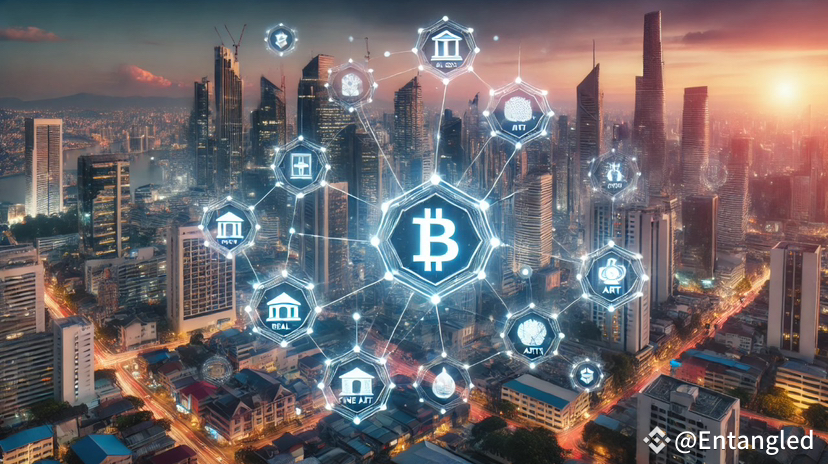
The cryptocurrency market is no stranger to innovation, and 2023 has brought one of the most exciting trends yet:
Real-World Asset (RWA) Tokenization. This groundbreaking concept is bridging the gap between traditional finance and the blockchain world, creating new opportunities for investors, businesses, and everyday users. But what exactly is RWA tokenization, and why is it generating so much buzz? Let’s dive into this transformative trend and explore how it’s reshaping the crypto landscape.
What is Real-World Asset Tokenization?
Real-World Asset Tokenization is the process of converting physical or tangible assets—such as real estate, art, commodities, or even intellectual property—into digital tokens on a blockchain. These tokens represent ownership or a share of the underlying asset, making it easier to buy, sell, and trade them in a decentralized and transparent manner.
For example, imagine owning a fraction of a luxury apartment in New York City or a rare piece of artwork by a famous painter. Through tokenization, these high-value assets can be divided into smaller, more affordable units, allowing investors to participate in markets that were previously out of reach.
Why RWA Tokenization is Trending
1. Democratizing Access to High-Value Assets
Traditionally, investing in assets like real estate or fine art required significant capital, making them inaccessible to most people. Tokenization breaks down these barriers by allowing fractional ownership. Now, anyone with a smartphone and an internet connection can invest in a piece of a skyscraper or a vintage car.
2. Increased Liquidity
Real-world assets are often illiquid, meaning they can’t be easily bought or sold. Tokenization transforms these assets into liquid digital tokens that can be traded on crypto exchanges 24/7. This opens up new opportunities for investors to enter and exit positions quickly.
3. Transparency and Security
Blockchain technology ensures that every transaction is recorded on an immutable ledger, reducing the risk of fraud and increasing transparency. Smart contracts automate processes like dividend distribution and ownership transfers, eliminating the need for intermediaries.
4. Institutional Interest
Major financial institutions and corporations are jumping on the RWA tokenization bandwagon. Companies like BlackRock, JPMorgan, and Goldman Sachs are exploring ways to tokenize assets, signaling a shift toward mainstream adoption.
5. Regulatory Progress
Governments and regulatory bodies are beginning to recognize the potential of RWA tokenization. Clearer regulations are emerging, providing a safer environment for investors and businesses to participate in this new market.
Real-World Use Cases of RWA Tokenization
The applications of RWA tokenization are vast and span multiple industries. Here are some of the most exciting examples:
1. Real Estate
Tokenized real estate is one of the most popular use cases. Platforms like RealT and Propy allow users to invest in fractional ownership of properties worldwide. This not only lowers the entry barrier but also enables global investment opportunities.
2. Art and Collectibles
Platforms like Maecenas and Masterworks tokenize fine art, allowing investors to own a share of a Picasso or a Banksy. Similarly, collectibles like rare sneakers and vintage cars are being tokenized on platforms such as Rally and Fractional.
3. Commodities
Gold, silver, and even oil are being tokenized, enabling investors to trade these assets digitally. Companies like Paxos and Tether have launched gold-backed tokens, providing a stable and secure way to invest in precious metals.
4. Intellectual Property
Musicians, filmmakers, and creators are tokenizing their work to raise funds and share royalties with their fans. For example, platforms like Royal allow fans to invest in songs and earn a share of the streaming revenue.
5. Carbon Credits
Tokenized carbon credits are emerging as a powerful tool in the fight against climate change. By digitizing carbon offsets, companies can trade them more efficiently, encouraging sustainable practices.
The Challenges of RWA Tokenization
While the potential of RWA tokenization is immense, it’s not without its challenges:
1. Regulatory Uncertainty
Despite progress, regulations around tokenized assets vary widely across jurisdictions. This can create legal hurdles for businesses and investors.
2. Market Volatility
The crypto market is known for its volatility, and tokenized assets are no exception. Price fluctuations can impact the value of tokenized RWAs, creating risks for investors.
3. Adoption Barriers
Many people are still unfamiliar with blockchain technology and how tokenization works. Education and awareness are crucial for widespread adoption.
4. Security Risks
While blockchain is secure, the platforms and wallets used to store tokenized assets can be vulnerable to hacks and cyberattacks.
The Future of RWA Tokenization
The RWA tokenization market is still in its early stages, but its growth potential is staggering. According to a report by Boston Consulting Group, the tokenized asset market could reach $16 trillion by 2030. This represents a massive opportunity for investors, businesses, and innovators.
As blockchain technology continues to evolve, we can expect to see more sophisticated use cases and platforms emerge. From tokenized stocks and bonds to entire cities being built on blockchain, the possibilities are endless.
Moreover, the integration of artificial intelligence (AI) and the Internet of Things (IoT) could further enhance the functionality of tokenized assets. For example, smart contracts could automatically adjust rental payments based on real-time data from IoT devices in a tokenized property.
Why You Should Pay Attention
RWA tokenization is more than just a trend—it’s a paradigm shift in how we think about ownership and investment. By combining the best of traditional finance with the innovation of blockchain, it has the potential to create a more inclusive, efficient, and transparent financial system.
Whether you’re an investor looking for new opportunities, a business exploring innovative funding models, or simply a crypto enthusiast curious about the future, RWA tokenization is a trend you can’t afford to ignore.
Call to Action:
What are your thoughts on RWA tokenization? Do you see it as the future of finance, or are there challenges that need to be addressed first? Share your opinions in the comments below, and don’t forget to follow us for more insights into the latest trends in the crypto world! 🚀🌐
#MicroStrategyAcquiresBTC #ETH #BTC☀
---
Disclaimer: This article is for informational purposes only and should not be considered financial advice. Cryptocurrency investments are highly volatile and risky. Always do your own research before investing.