
Crypto markets trade 24/7 with unique risks like extreme leverage, fragmented liquidity, and social media-driven volatility. Here's what every trader needs to know.
Want to know what I wish someone had told me when I first started trading crypto?
The crypto market isn’t just different from traditional markets—it’s a completely different beast altogether.
Over the past 10 years, I’ve watched cryptocurrencies evolve from a niche curiosity to a legitimate asset class that’s reshaping finance. From Bitcoin’s humble beginnings to today’s ecosystem of altcoins, stablecoins, and DeFi protocols, we’re living through a financial revolution.
But here’s the thing: if you’re coming from traditional markets like I did, you’re in for some surprises.
When I made my first crypto trade back in the day, I thought my traditional stock brokerage experience would translate seamlessly. I was wrong. Dead wrong. Trading crypto is like switching from chess to 3D chess while blindfolded—the rules are similar, but the game is entirely different.
Let me walk you through what I’ve learned about how these markets actually work, and more importantly, what makes them so different from anything you’ve traded before.
The Big Picture: Why Crypto Markets Are Different
Crypto Never Sleeps (And Neither Will You)
The first thing that hit me? Crypto markets never close.
While NYSE traders get their weekends off, crypto keeps grinding 24/7/365. The blockchain infrastructure powering these markets doesn’t take breaks—it’s supported by thousands of computers worldwide, constantly validating transactions and keeping the lights on.
This is both a blessing and a curse.
On one hand, you can trade Bitcoin at 3 AM on a Sunday if you want. On the other hand, your carefully planned position can get blown up during a quiet weekend afternoon while you’re having brunch.
Crypto has fragmented liquidity
Unlike traditional markets where you might trade on NYSE or NASDAQ, crypto is spread across dozens of exchanges, each with its own quirks and characteristics.
Centralized Exchanges (CEXs) – The Traditional Approach:
Think of CEXs like Binance, Coinbase, and Kraken as the “banks” of crypto. When you deposit money here, they control your assets. You’ll need to go through KYC (Know Your Customer) and AML (Anti-Money Laundering) verification, but in return, you get:
Faster execution speeds
Higher liquidity
Tighter spreads
More user-friendly interfaces
I do most of my trading on BINANCE because, work better for trading.
What makes perps special?
They stay efficient through a funding rate mechanism. When the perpetual price deviates from the spot price, funding rates adjust to incentivize traders to take the opposite side.
There used to be decent money to be made arbitraging these funding rates. The strategy is simple: when funding is positive, short the perp and buy spot. When it’s negative, reverse the position.
However, this trade is not as profitable as it was a few years ago. The market has matured and institutional players have deployed powerful low-latency bots with which you can’t realistically compete.
Traditional Futures Contracts – The Institutional Play
Large institutions like CME Group and even traditional crypto exchanges like Binance, Kraken and OKX now offer crypto futures that actually expire. These contracts have pre-defined expiration dates and are cash (USD) settled.
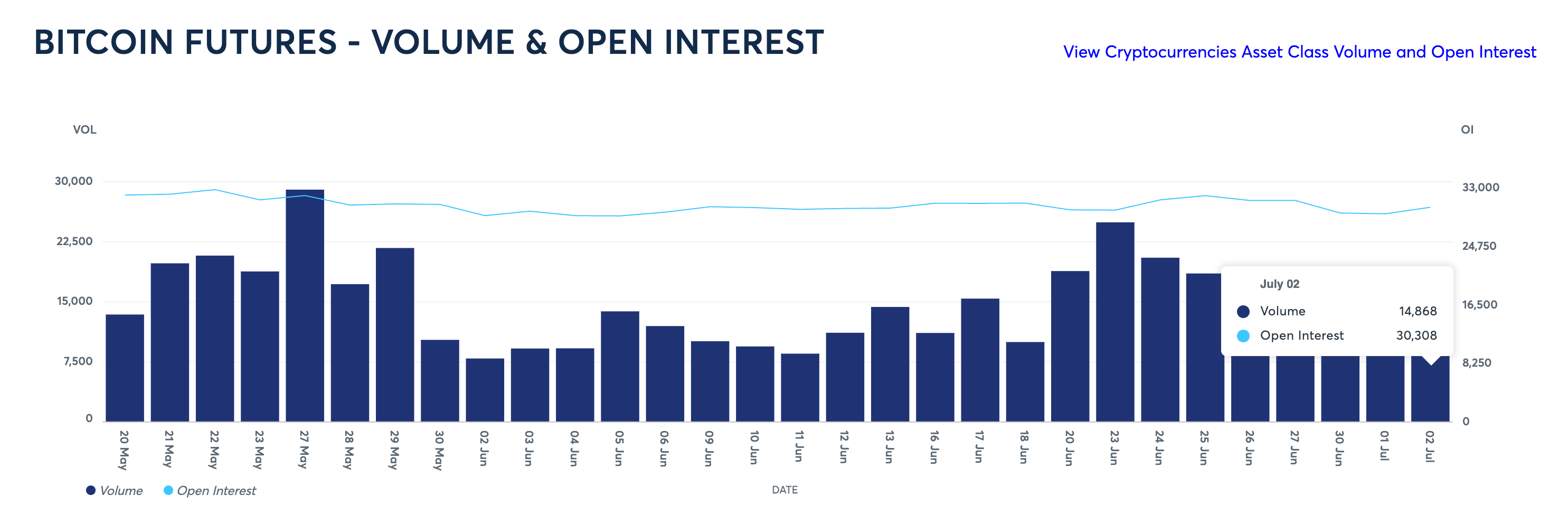
Traditional Bitcoin Futures (Volume and OI) – Source: CME Group
For example, CME’s Bitcoin futures contract represents 5 BTC, with a mini version at 0.10 BTC. CME contracts are usually preferred by traditional institutional players, as they can use assets like bonds and treasury bills as collateral for their leveraged bets.
The Unique Crypto Risks That’ll Keep You Up at Night
Liquidation Cascades – The Domino Effect
Here’s something that retail investors are not used to in traditional markets: up to 125x leverage on both spot and derivatives.
On Binance, you can turn $100 into a $12,500 Bitcoin position. Sounds great, right?
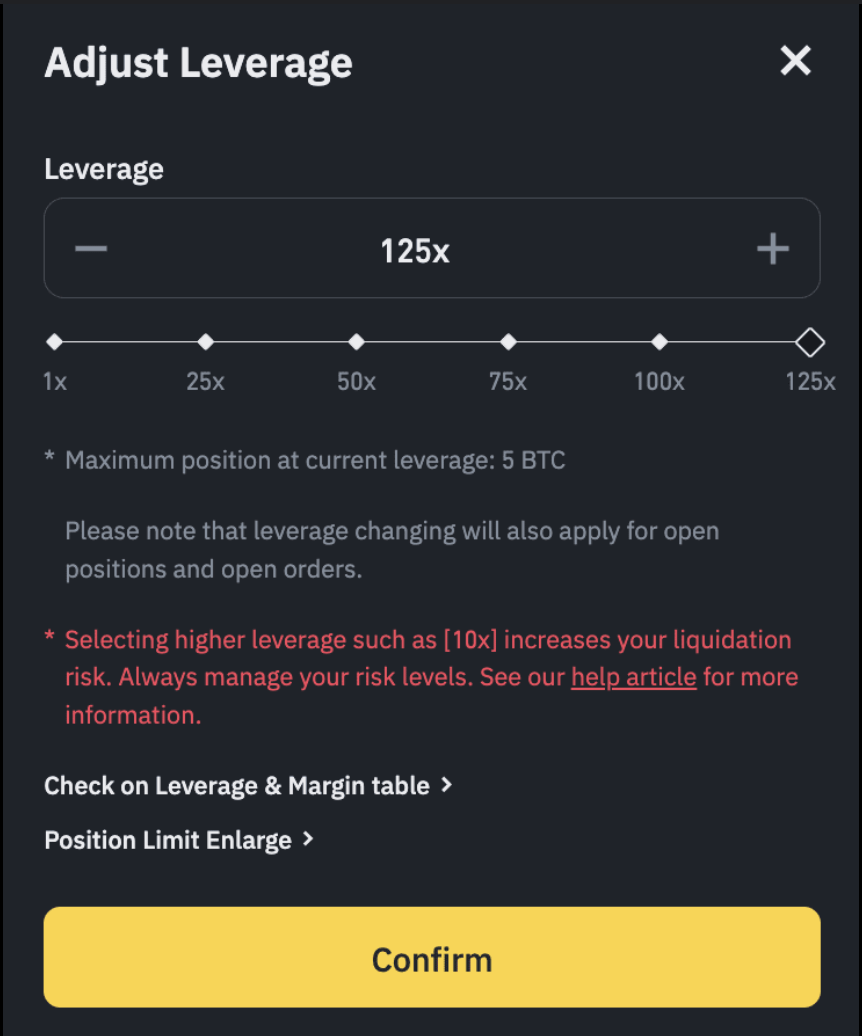
Binance Leverage Selector – Source: Binance App
The problem is that when volatility spikes, leveraged positions get liquidated quickly, which creates a feedback loop – liquidations increase price volatility, thus forcing more liquidations and hence even more volatility.
I’ve seen entire market sectors get wiped out in minutes because of this domino effect.
Funding Rates – The Hidden Cost Of Trading Perps
Funding rates fluctuate based on the difference between spot and perpetuals prices. When the price of perps are higher than spot, funding rates are positive and those who are long the perps pay those who are short, and the opposite occurs when perps’ prices exceed spot ones.
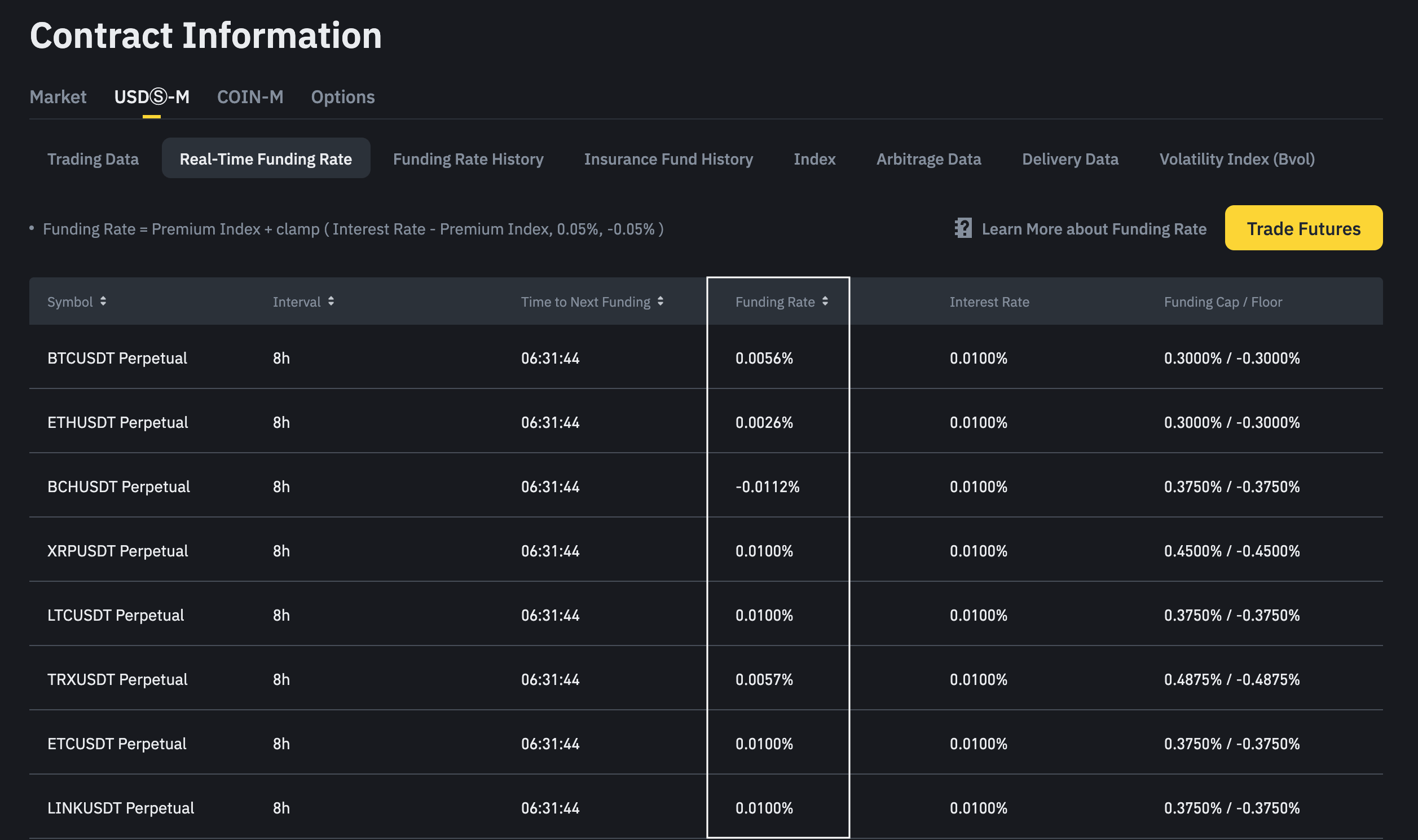
Funding Rates for Various Assets – Source: Binance.com
One interesting thing about funding rates is what they can indicate about player positioning: during bull markets, funding rates tend to be extremely positive, as traders rush to buy perps to get more leverage.
During bear markets, the opposite is true, with funding rates turning negative and short-sellers paying to maintain their positions.
Crypto Has No Circuit Breakers
Traditional markets have circuit breakers that halt trading during extreme volatility. Crypto doesn’t.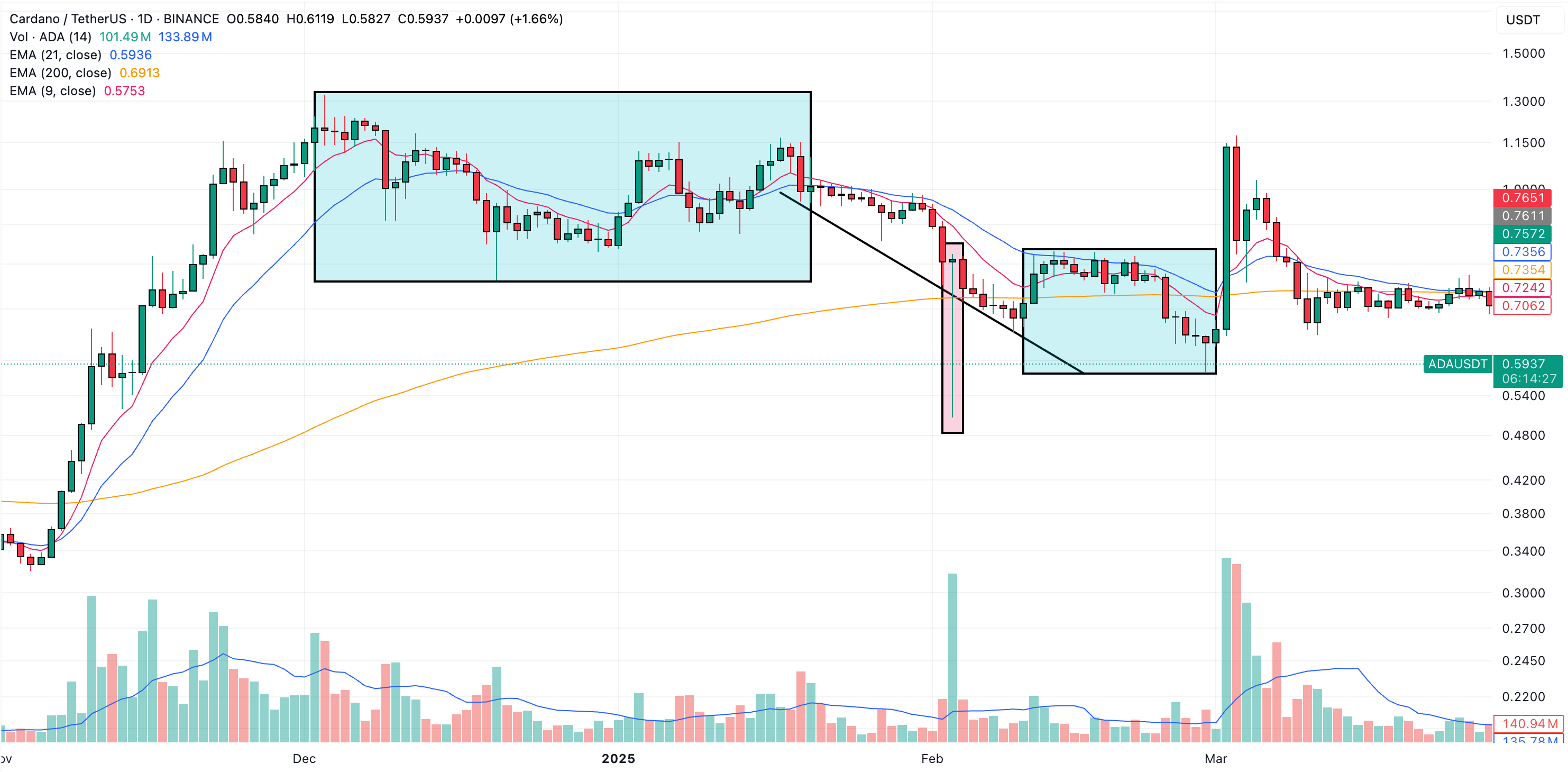
Take a look at this ADA/USDT chart. Cardano was following a normal trajectory. Then, a downtrend started, but a big selling pressure shows up, likely some big player with a fat finger.
As other players tune in and liquidity shows up, the price quickly recovers, and all we’re left with is a large single-day wick. After that, normal trading resumes.
Look at any major crypto chart, and you’ll see these massive wicks that would never exist in traditional markets.
My rule of thumb: Always size small when trading crypto (1%~3% is my go-to position size) and always use stop losses, but don’t set them too tight. The risk of getting liquidated in a move like this is real.