


Plasma is a Layer 1 blockchain engineered specifically for stablecoin payments and settlement, addressing a gap inherent in general-purpose networks that were not built with high-frequency digital dollar flows in mind. Unlike traditional blockchains designed primarily for flexible smart-contract execution and decentralized applications, Plasma’s architecture is optimized around stablecoins and the real financial use cases they support.
At its core, Plasma combines deterministic performance and modern consensus with compatibility and developer familiarity. The network uses PlasmaBFT, a variant of the HotStuff consensus mechanism, to deliver low-latency finality with Byzantine fault tolerance. Finality matters for settlement — when value moves, participants need certainty and predictable completion rather than probabilistic confirmation delays that can disrupt payments or liquidity flows.
For execution, Plasma integrates Reth, an Ethereum Virtual Machine-compatible Rust client. Full EVM support allows existing tools, wallets, smart contracts, and developer workflows to be used on Plasma without significant rewriting. This practical compatibility makes Plasma accessible to developers already familiar with Ethereum’s ecosystem and significantly reduces friction for integration into existing systems.
Plasma also introduces stablecoin-centric features at the protocol level. A built-in paymaster system sponsors gas costs for standard USDT transfers, enabling zero-fee stablecoin transactions for everyday payment flows. This design reduces user friction and makes payments more predictable, especially for users and businesses that depend on stablecoins as a medium of exchange. Other custom tokens may also be used to pay gas, further aligning transaction costs with real usage rather than requiring holders to maintain native token balances purely for fees.
The native XPL token underpins Plasma’s economic model. XPL is used for transaction fees (outside of subsidized stablecoin transfers), staking, and validator rewards — essential elements of the network’s proof-of-stake security model. Validators stake XPL to secure the network and participate in consensus, earning rewards that support long-term decentralization and robustness. The protocol penalizes misconduct through reward slashing rather than full stake loss, balancing security with fairness.
Plasma’s tokenomics were designed to support ecosystem growth and long-term network sustainability. Out of a total supply of 10 billion XPL, allocations are distributed among ecosystem incentives, team contributors, early investors, and public sale participants. Controlled unlocking and vesting schedules help mitigate early sell pressure, while mechanisms like EIP-1559-style fee burning gradually counterbalance inflation as the network scales.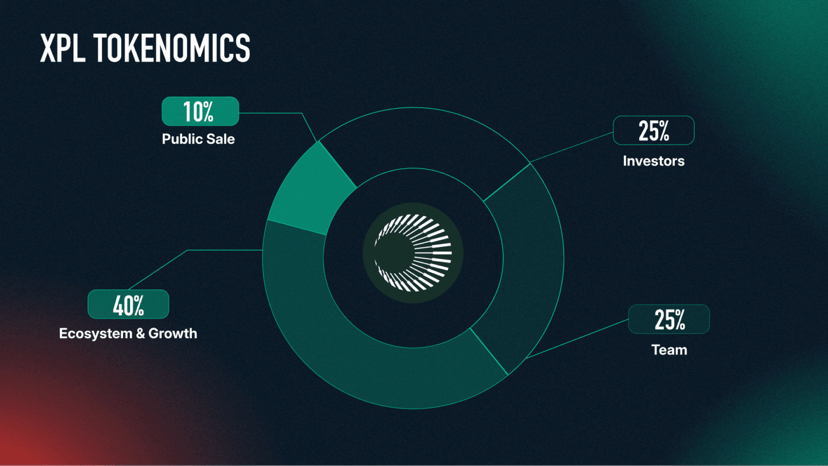
Beyond immediate settlement capabilities, Plasma plans to expand its feature set in phases, including privacy-enhancing capabilities and a trust-minimized Bitcoin bridge that enables BTC to interact with Plasma’s EVM environment. Such developments aim to broaden interoperability while maintaining a strong security posture.
In practice, Plasma’s stablecoin-first orientation positions it as infrastructure tuned for how digital value moves today. Its deterministic settlement, predictable fee model, and EVM compatibility make it suitable for a range of payment-related applications, from remittances and merchant transactions to treasury management and cross-border settlement. By aligning its technical design with real-world financial patterns rather than speculative use cases, Plasma seeks to deliver infrastructure capable of supporting stablecoin activity at global scale.
Overall, Plasma represents a focused response to the evolving needs of the stablecoin economy, combining performance, compatibility, and settlement-oriented features into a professional blockchain infrastructure layer.
