
Last night I was tweaking a tiny automation script when my computer suddenly blue-screened and rebooted. Most of my code was synced, so nothing catastrophic happened, but in that moment I still cursed my laptop like it had personally betrayed me.
What annoyed me was not the code itself. It was the interruption. After the restart, the machine had no idea what I had just changed, why I changed it, or what problem I was trying to solve. I spent the next half hour reconstructing my own thinking, line by line, context by context.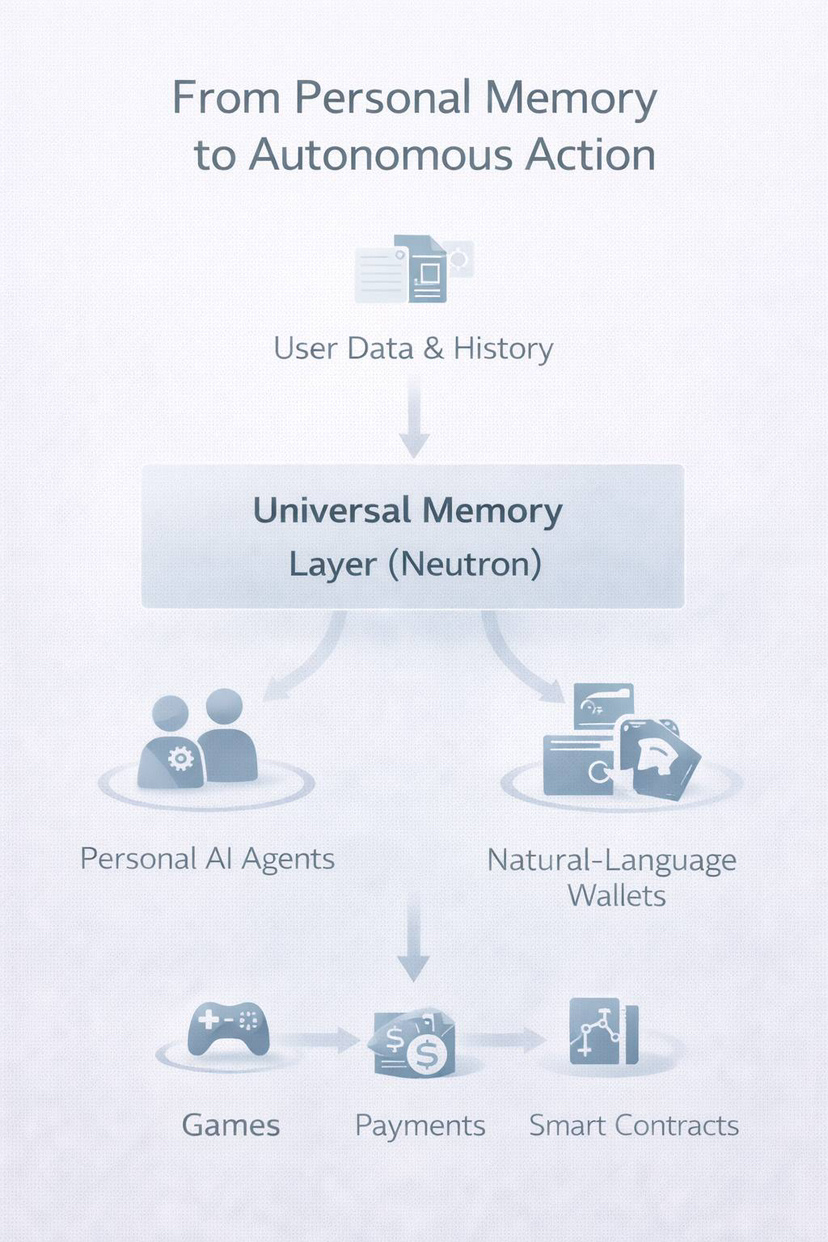
That was the moment something clicked. Human progress exists because we remember. We write things down. We store context. We pass knowledge forward. Without diaries, libraries, and hard drives, civilization would reset every morning. We would still be wandering around picking fruit.
And then I looked at what is happening in AI right now.
Everyone is obsessed with intelligence. Smarter agents. Better outputs. More impressive demos. Poetry. Images. Chat. It all looks exciting, but honestly, in 2026 this feels like a step backward.
If you talk to people actually building with agent frameworks, the real problem is not that AI is dumb. It is that AI forgets everything.
An agent analyzes markets for you last week. You restart it today. It forgets you are risk-averse and starts making reckless decisions. It loses context, history, preferences, and lessons learned. That stateless loop is why most on-chain AI never escapes the demo phase. It cannot compound value if it cannot remember yesterday.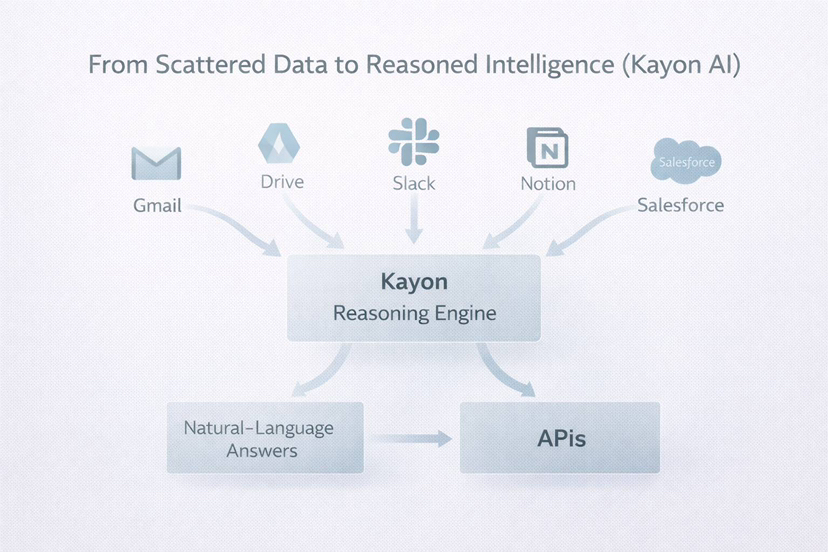
This is why the direction taken by Vanar caught my attention.
Vanar just opened early access to its Neutron API, and the positioning is refreshingly aggressive in a quiet way. There is no talk of artificial general intelligence. No big promises. Just a very specific idea: give AI a persistent external memory.
The logic is simple. Separate memory from the agent. Store that memory on chain. Let the agent restart, move machines, or upgrade models, but keep its experience intact. As long as it reconnects to the same memory layer, it continues where it left off.
That single shift turns an AI from a daily temp worker into someone with years of experience.
I have been watching developer conversations around this, and the reaction there is far stronger than anything reflected in price charts. That makes sense. Builders feel pain before markets do.
As someone who has been around long enough to get bored of hype cycles, this is exactly the kind of opportunity I pay attention to. It is shaped by technical necessity, not storytelling.
Vanar is running a lonely experiment. It is betting that sometime in the second half of 2026, people will realize that AI which only talks cannot make money. AI that works, remembers, and compounds knowledge is what actually creates productivity.
The current price is a penalty for not telling flashy stories and for stubbornly building tools instead. I am not telling anyone to rush in. Bottoms take time, and watching them form is uncomfortable. Sometimes it is months of nothing happening.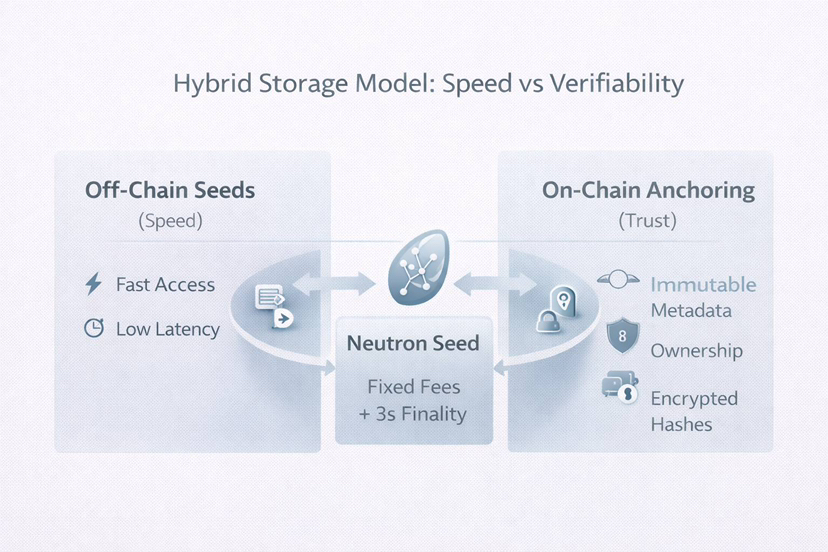
What I would suggest instead is simple. Look at the builder data. Look at usage on the developer console. Watch whether the number of active builders grows. Watch whether proofs and burns slowly increase. Those are boring signals, but boring signals are how foundations get built.
Grand visions are easy to sell. Persistent memory is hard to build.
After 2026, the crypto world will belong to projects that help AI actually finish work, not just talk about it. Vanar has handed AI a long term memory card. Whether it passes the exam depends on how the ecosystem evolves from here.
