
I’ve spent enough time in the crypto space to see the same movie play out a dozen times. A new project launches with a massive marketing budget, a sleek website full of "disruptive" buzzwords, and a whitepaper that promises to solve everything from world hunger to the blockchain trilemma. The hype builds, the price spikes, and then... nothing happens. The tech isn't ready, the fees are too high, or the "utility" turns out to be a circular loop of people trading the same three meme coins. It’s a culture that rewards talking over doing, and frankly, I’m tired of it.
That’s why I’ve been paying so much attention to Plasma XPL lately. It’s one of the few projects I’ve found that seems to have a visceral allergy to hype. Instead of trying to win the "narrative of the week," it has focused on the one thing that actually matters for long-term survival: execution. It feels like it was built by engineers who were tired of seeing good ideas fail because of bad plumbing.
The first thing that struck me about Plasma is its clarity of purpose. Most Layer 1 networks try to be a Swiss Army knife. They want to be a playground for NFTs, a hub for gaming, and a headquarters for complex DeFi all at once. But when you try to be everything, you usually end up being mediocre at the basics. Plasma isn't trying to be a general-purpose playground; it’s building specialized financial infrastructure designed specifically for stablecoins.
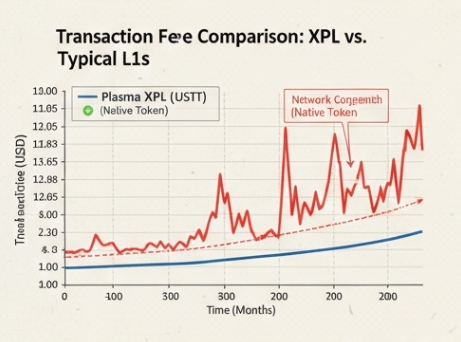
We often forget that for the average person, stablecoins are the only part of crypto that actually makes sense. Moving digital dollars is the "killer app," but it’s currently broken on most chains. I’ve had times where I wanted to send $20 in USDT to a friend, only to find out the gas fee was $15. That isn't progress; it’s a bottleneck. Plasma solves this with a level of common-sense execution I rarely see. They’ve built a system that allows for zero-fee USDT transfers. Think about that for a second. It removes the single biggest psychological barrier to using blockchain for payments.
Beyond that, they’ve introduced something called the Paymaster model. I can’t tell you how many times I’ve had to go through the headache of finding an exchange, buying a native gas token, and sending it to a wallet just to move a stablecoin I already owned. Plasma lets you pay for transaction fees in the tokens you’re actually using. It’s a "it just works" philosophy that the industry desperately needs.
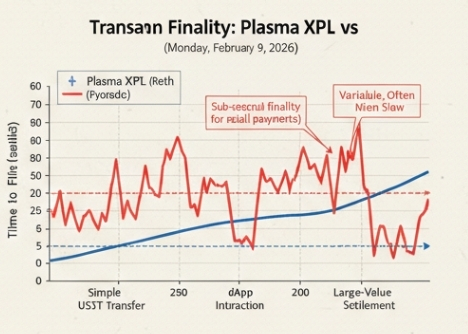
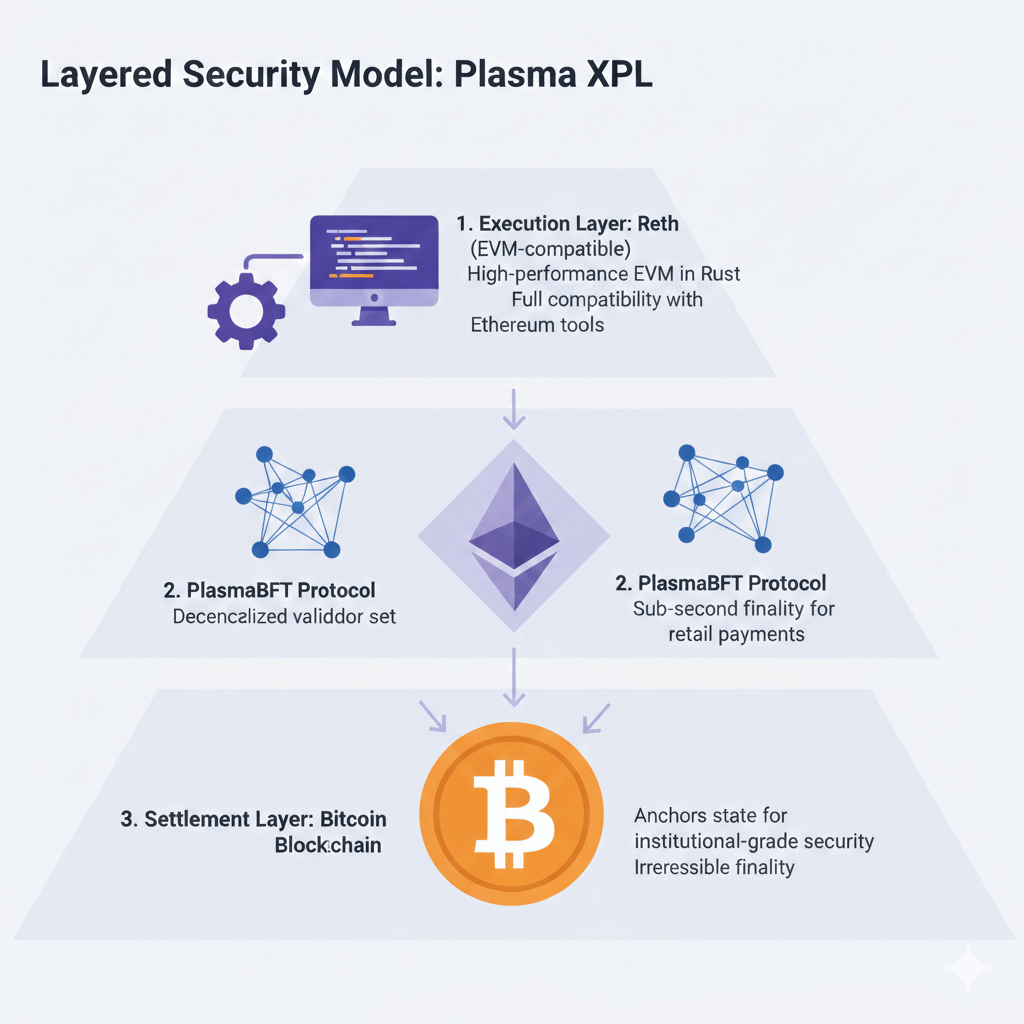
Under the hood, the execution is just as disciplined. They didn't try to invent a new, unproven programming language that developers have to spend months learning. They used Reth, a high-performance EVM implementation written in Rust. It’s fast, it’s modular, and it’s fully compatible with the Ethereum tools everyone already knows. By choosing the best existing tech and optimizing it, they’ve managed to achieve sub-second finality. When you hit "send" on a payment, it clears almost instantly. That’s the difference between a project that looks good on a PowerPoint deck and a network that actually functions in a retail environment.
I also appreciate how they’ve handled security. Instead of claiming they’ve invented a "perfect" new consensus model, they’ve anchored the network’s security to the Bitcoin blockchain. By periodically recording the state of the Plasma network on Bitcoin, they’re leveraging the most secure, battle-tested computer network in history. It’s an admission that you don't need to be louder than Bitcoin to be useful; you just need to be more efficient.
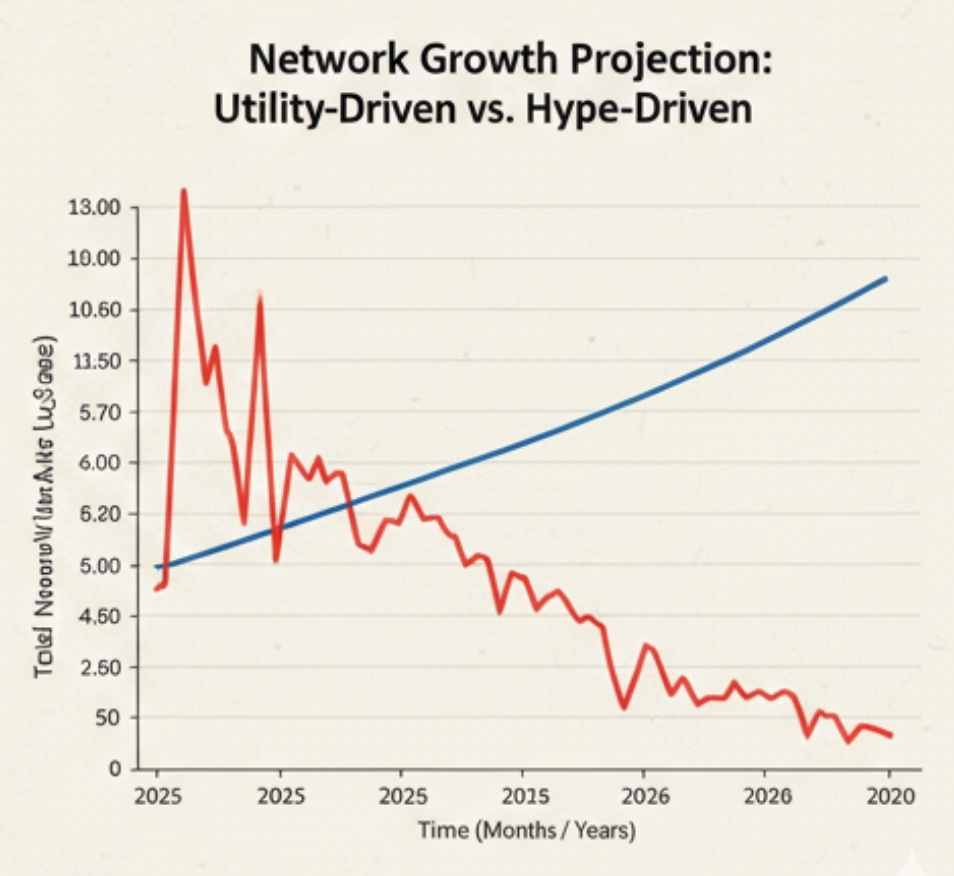
The strategy here is clearly one of "quiet maturity." It’s about building a floor of actual usage merchants, payroll systems, and cross-border remittances rather than just chasing speculative trading volume. This approach creates a sustainable ecosystem where the value is driven by how much the network is actually used, not how many influencers are talking about it.
I’m betting on this approach because I think the "hype era" of crypto is reaching its expiration date. The market is maturing, and people are starting to ask the hard questions: Is it fast? Is it cheap? Does it stay up when the network gets busy? Can my business actually depend on it? Plasma XPL is one of the few projects that has spent its time answering those questions with code rather than tweets. It’s the kind of "boring" reliability that actually changes the world. #plasma