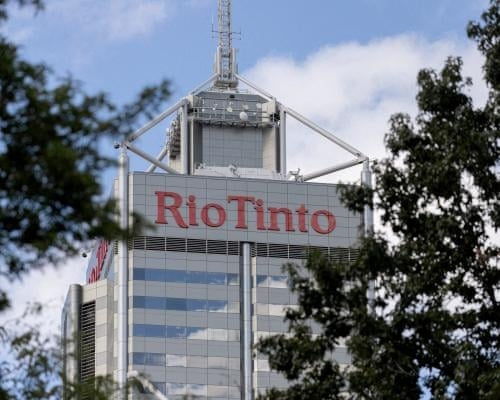
In a move that has sent ripples through the global commodities market, Rio Tinto has officially pulled the plug on a historic $200 billion merger with Glencore. The collapse of these high-stakes negotiations ends what would have been the largest consolidation in mining history, intended to create a undisputed titan in the scramble for Africa’s critical minerals.
A Valuation Clash of Titans
Despite weeks of intensive talks, the deal fractured over a fundamental disagreement on the "future value" of the combined entity. Glencore, a heavyweight in both mining and global commodity trading, reportedly rejected the proposed structure, arguing it "significantly undervalued" its copper assets and long-term growth pipeline. Specifically, Glencore’s leadership felt the terms failed to account for a "control premium"—a standard bonus paid when one company takes over another—especially as Rio Tinto aimed to retain both the Chairman and CEO roles in the new hierarchy.
Africa: The Strategic Battleground
The collapse of this deal is particularly significant for the African continent. Both companies hold massive footprints in regions like the Democratic Republic of Congo (DRC) and Zambia, which are home to the world’s most vital deposits of copper and cobalt. These minerals are the lifeblood of the global energy transition, essential for everything from electric vehicle batteries to advanced electronics.
While the mega-merger failed, the race for these resources has only intensified. Glencore is already pivoting, currently in talks to sell a 40% stake in its DRC copper and cobalt operations to a U.S.-backed group, the Orion Critical Minerals Consortium, for roughly $9 billion. This move signals a shift from global mega-mergers toward strategic, state-backed partnerships aimed at securing supply chains away from Chinese dominance.
Resilience of the Standalone Strategy
Despite the setback, Glencore remains defiant, asserting that its standalone investment case is "stronger than ever." By maintaining its independence, the company continues to leverage its unique position as both a producer and a world-class marketer of commodities. For Rio Tinto, the decision to walk away reflects a disciplined, "value-over-volume" approach, choosing to protect shareholder interests rather than overpaying for market share.
Do you think the era of "mega-mergers" is over, or are we just seeing a shift toward smaller, more strategic government-backed alliances?
#WhaleDeRiskETH #GoldSilverRally #USIranStandoff #BinanceBitcoinSAFUFund