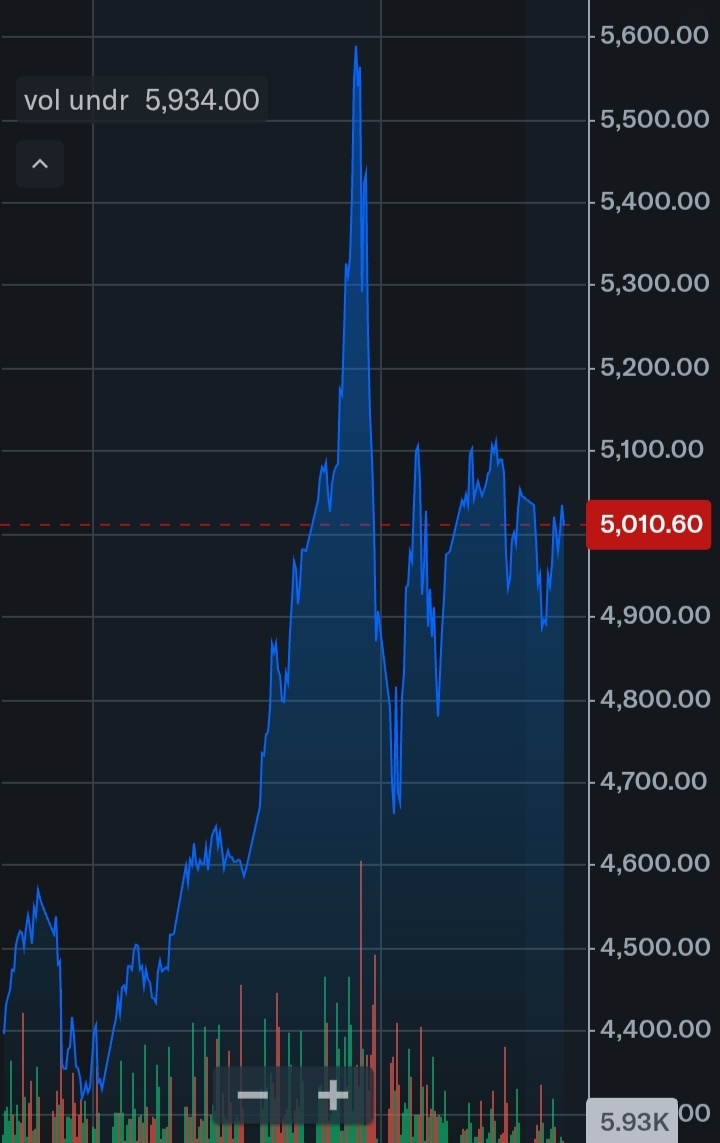
Despite a recent pullback, macroeconomic trends continue to support bullish sentiment for gold. On Tuesday, gold futures fell over 2%, dipping near $4,900 per troy ounce, reversing gains achieved just weeks ago. The decline was driven by easing geopolitical tensions—following Washington and Tehran’s preliminary nuclear framework—and a seasonal slowdown in Asian demand during Lunar New Year closures.
However, seasoned commodity strategists caution that this drop does not signal a structural reversal. Ole Hansen, head of commodity strategy at Saxo Bank, emphasized that the fundamentals behind gold’s multi-year rally remain intact. Central banks in both developed and emerging markets continue to build gold reserves at a strong pace, motivated by a desire to reduce reliance on the US dollar and diversify assets amid global uncertainties.
Institutional investors are also fueling demand. With stretched equity valuations and mounting sovereign debt pressures, gold’s appeal as a safe-haven, uncorrelated asset has strengthened. The Bank of America’s latest global fund manager survey highlighted this trend: half of respondents named a long gold position the most crowded trade in February, signaling strong institutional conviction.
Currency trends further support the bullish case. If the Federal Reserve enacts the anticipated two to three rate cuts, the US dollar could weaken, historically boosting commodity prices—including gold priced in dollars.
Goldman Sachs continues to maintain a bullish outlook, reaffirming a December 2026 target of $5,400 per troy ounce, with upside potential if private-sector inflows exceed expectations. Analyst Lina Thomas noted that even small increases in gold’s share of US financial portfolios can significantly impact prices—each one-basis-point rise could add roughly 1.5% to gold’s value, highlighting the influence of institutional allocations.