

Digital Gold vs. The Old Guard: Deciphering the 2026 Wealth Race
Overview
Come 2026, chasing financial edge shifts from belief systems toward steady gains, clear rules, behind-the-scenes access. What once sparked as internet money now sits quietly in investment plans, trusted like older assets. Meanwhile, traditional players hold ground through scale, income streams, government ties. Expect both sides sharing space - so long as big economic jolts stay away.
The Rise of Digital Gold
What it is
Gold online? That title sticks mostly to Bitcoin, plus a few other digital coins built like vaults. Scarcity matters here - these assets feel rare on purpose. Their shields are tough, networks hard to crack. People know them by name across markets worldwide. Recognition spreads quiet but wide.
Why it matters
Scarcity: Programmatic supply caps (e.g., Bitcoin’s 21 million) and predictable issuance.
One thing stands out about decentralization - control spreads across users, not locked inside one office. People join without needing approval stamps from gatekeepers. Rules apply evenly because no single hand twists the dials behind closed doors.
Picking up and moving across borders takes almost no time, with records open for anyone to check. Ledgers show every step clearly, making verification quick yet solid.
More secure handling of assets now possible thanks to better storage, protection, and trading systems. Access through major investment funds and financial platforms expands across important regions.
Sentiment and adoption
Fresh eyes now see it less as a gamble, more like digital gold tucked away for tough times. Big players stepped in, smoothing the path for others to join without hassle. Regular buyers keep adding small amounts using familiar phone tools. Moves up and down with markets happen, yet fade into the background over years. What sticks is its limited supply plus usefulness across borders.
2026 drivers and challenges
Growth drivers:
Some big countries are sharpening their rules. Pensions now have more to do, not just sitting idle. Insurers face wider tasks, shaped by fresh demands. Sovereign funds stretch further, pulled by new expectations.
Money tools now link up with advice systems, slot neatly into tax-friendly accounts, also find spots inside ready-made investment mixes.
Custody keeps getting more solid, while reserves show up clear every time checks happen. Audits trail close behind, growing sharper with each cycle through real world tests.
Fiscal pressure grows while money splits into pieces across borders. Nations brace by spreading bets, not putting trust in one system. With budgets stretched thin, leaders lean on backup plans more than ever before. Stability fades, so alternatives gain quiet attention behind closed doors.
Challenges:
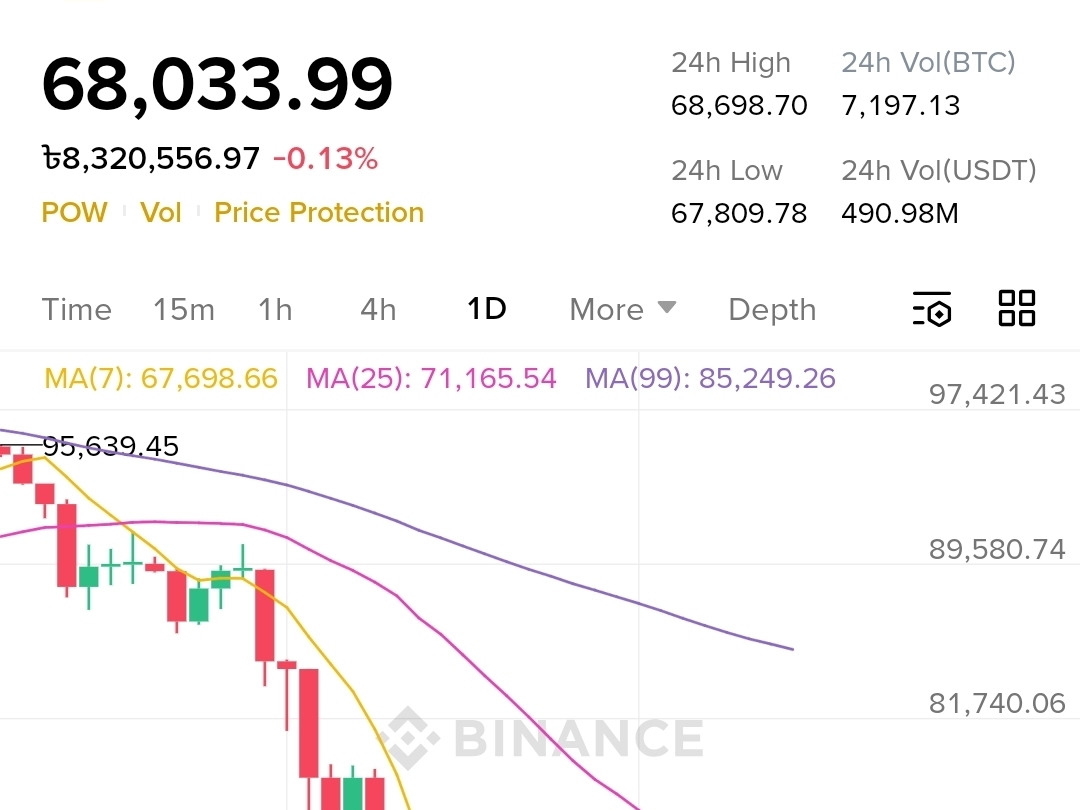
When markets shake, money moves slow. Sudden shifts expose empty spaces where trading should flow. Leverage feeds on itself, growing faster when fear spreads.
Unexpected rules might hit hard. Taxes could shift without warning. Moving between countries brings delays. Legal mismatches slow everything down.
A closer look at how power is sourced - especially in heavy industries - shapes up alongside worries about relying too heavily on a few key systems. Infrastructure tied tightly together raises red flags when something goes wrong. Digital weaknesses open doors where they should stay shut.
The Old Guard Still Stands
What it is
Gold, banks, asset managers sit alongside equities and bonds - each held up by long-standing laws, active trading spaces, plus support from central financial authorities. Real estate fits into this group too, shaped over time by regulatory frameworks and steady institutional presence behind the scenes.
Why it endures
Starting strong, equities grow purchasing power steadily over time. Not far behind, bonds provide steady payouts while acting as a buffer when markets shake. Real estate steps in with regular earnings plus something tangible to fall back on. When things get rocky, gold quietly holds its ground, keeping worth intact through turmoil.
Banks must hold a certain amount of money to stay stable. Rules exist so people who invest are kept safe. When crises hit, backup lending comes into play.
Settlements speed up, like moving to T+1, while experiments with digital tokens unfold. Tech progress slips in quietly, guided by AI that handles risk and daily work. Control stays firm even as changes take hold. Gains arrive fast but never override oversight.
2026 resilience
Fresh streams of income, along with government backing, help long-standing players hold onto large chunks of wealth - particularly should interest gains stay above inflation and profits keep growing steadily. What holds true now may shift only if economic winds change direction.
The 2026 Shift in How Wealth Moves
Risk/Reward Profiles
Gold in digital form swings widely in price, yet offers outsized gains when conditions shift just right. When governments print too much money or spending runs hot, it might hold value where others fail. Its moves often ignore what stocks or bonds do, sometimes mirroring them, sometimes not. That loose connection can help balance a mix of assets, depending on the moment.
Cash flows here tend to stay steady. Yield curves offer more detail, helping shape income plans. Liquidity runs deep, making these fit well at the center of a strategy.
Shaping forces
Who gets to buy depends on the rules in place. Leverage levels shift based on oversight decisions. Taxes change under different legal frameworks. Banks face limits shaped by policy choices.
Funds now follow models more than old brokerage paths. Still, big banks hold strong influence next to new exchange-traded fund trends. Choices spread between structured strategies and traditional gatekeepers persist widely.
Holding rules shape how value stays secure. Moving physical things into digital tokens opens new paths. Payment systems built on blockchains change transfer speed.
Plausible scenarios
What once seemed unlikely now feels obvious. A jump in prices nobody predicted, government budgets under pressure, rules that allow it - suddenly digital assets gain weight in financial planning. Not a trend, just shifting ground. Money moves where friction fades. Old habits pause when new paths open. Confidence finds odd homes when familiar ones crack.
Once again, established players gain ground. As prices stabilize, actual returns on investments climb. Solid company profits add fuel. Rules around digital assets tighten too. These shifts quietly lift those already in power.
Somewhere in between might just stick around - think digital gold taking up a small corner of portfolios, say two to five percent. Meanwhile, old-school assets start wearing a digital disguise and find their way into more hands. Big players help spread crypto tools while keeping some profit for themselves. That middle path? Feels like where things are actually headed.
Key macro variables
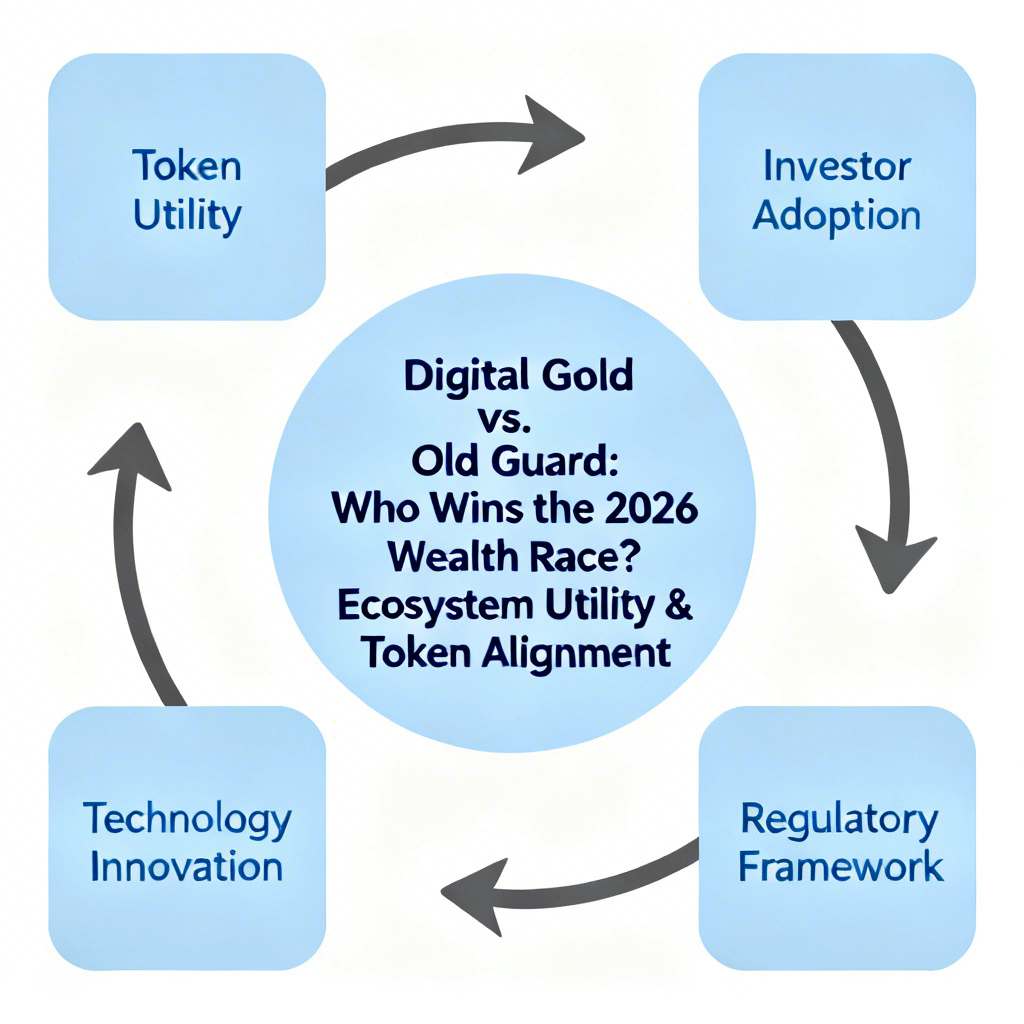
Path of real rates and liquidity cycles
Fiscal deficits and debt sustainability
Geopolitical Shifts Sanctions and Currency Divisions
Productivity and tech diffusion impacting earnings and risk premia
Conclusion
Come 2026, most expect a mix: old-school investments still drive growth, yet digital gold holds steady in serious circles as a rare safeguard plus backbone for settling value. Those managing money gain advantage through strict risk limits, solid storage rules, and plans shaped by real stress tests - seeing crypto not as everything but one focused piece among many.
