

2024 belonged to chatbots.
2025 scaled agents.
👉 2026 belongs to robots.
As AI escapes the screen and enters the physical world—factories, streets, warehouses, hospitals—a new question defines the decade:
Who will run the operating system of physical intelligence?
The strongest answer so far: Fabric Foundation and its native token ROBO.
After a high-profile listing on Binance Alpha and Coinbase on Feb 27, 2026, ROBO surged 95%, printing an ATH at $0.042.
But price is just the surface signal.
The real alpha? Fabric is building the decentralized labor layer for machines.
🤖 OM1 — The Android OS for Robots
Today’s robotics industry is fragmented chaos.
Tesla Bot can’t talk to AgiBot
Unitree quadrupeds can’t share data with drones
Every robot lives inside a closed ecosystem
Fabric’s core contributor OpenMind fixes this with OM1 — an open-source, hardware-agnostic robot operating system.
Why OM1 changes everything:
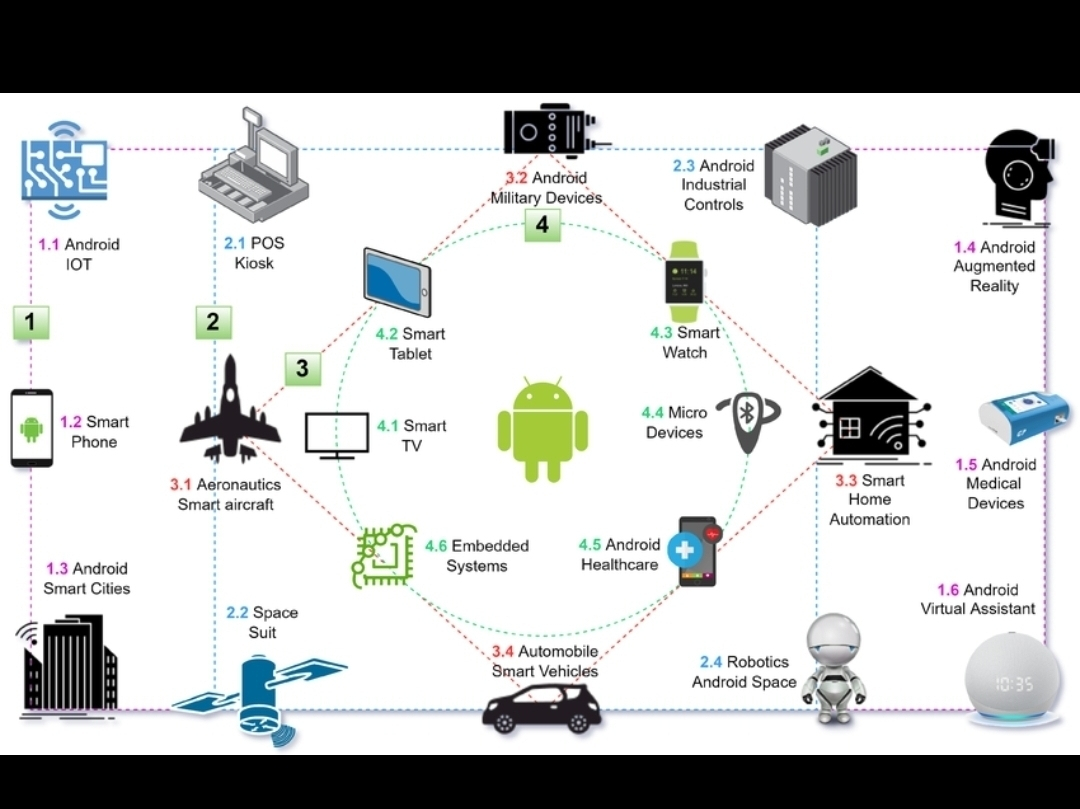
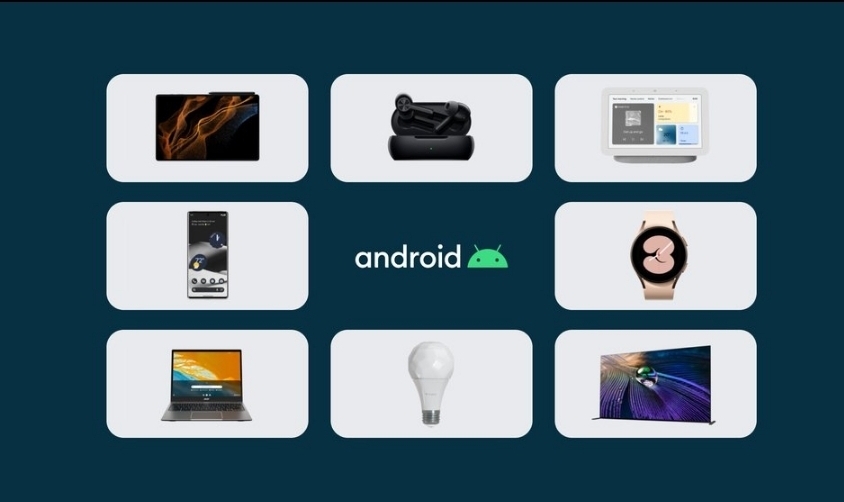
The Android Parallel
One Android app → thousands of phones
One Skill Chip → thousands of robots
Write Once, Deploy Everywhere
Developers build skills once and deploy across any robot running OM1
LLM-Native Robots
OM1 integrates multimodal models (GPT-4o, Gemini), enabling robots to:
Understand natural language
Navigate human environments
Adapt in real time
This is how robotics exits the lab and enters mass adoption.
🧠 The Fabric Protocol — A Society for Machines
OM1 gives robots a brain.
The Fabric Protocol gives them a civilization.
The 5 Layers of Machine Autonomy
1️⃣ Identity
Every robot gets a sovereign on-chain ID (ERC-7777)
2️⃣ Communication
Secure, peer-to-peer messaging across robot brands
3️⃣ Task Layer
A decentralized job marketplace for:
Humans
AI agents
Autonomous machines
4️⃣ Settlement
Robots get paid instantly in ROBO when tasks are verified
5️⃣ Governance
ROBO holders vote on:
Safety standards
Protocol upgrades
Economic rules
This isn’t software.
It’s robotic civilization design.
⚙️ Proof-of-Robotic-Work (PoRW)
Forget GPUs solving meaningless hashes.
Fabric introduces Proof-of-Robotic-Work — where value comes from real-world action.
How robots earn ROBO:
Completing verified physical tasks
Contributing sensor & mapping data
Renting out idle compute power
Safety Through Economics
Operators must stake ROBO.
If a robot:
Malfunctions
Acts dishonestly
Violates safety rules
👉 Stake gets slashed (burned)
This creates something revolutionary:
Economic incentives for safe, reliable machines
💰 Tokenomics — Fuel for the Machine Economy
Fixed Supply: 10 Billion $ROBO
Machine Tax:
Robots pay fees when they:
Buy new Skill Chips
Pay for charging
Access network services
Protocol Buybacks:
Fees are used for automatic $ROBO buybacks, tying robot growth directly to token value
Smart Money Signal
Fabric has raised $20M+, led by Pantera Capital.
Institutions aren’t betting on memes.
They’re betting on machine-driven GDP.
🚀 Final Verdict: Is $ROBO Leading DePIN?
As the March 13 airdrop claim deadline approaches, volatility is expected.
But zoom out.
This is bigger than charts.
AI → Agents → Robots
Software → Hardware → Labor
Speculation → Utility → GDP
Fabric Foundation isn’t launching a token.
It’s launching the decentralized nervous system for the planet.
💡 Android didn’t win because it was flashy.
💡 It won because it became the default layer.
If robots are the workforce of the future…
$ROBO is shaping how they think, work, and get paid.
📌 The Android moment for robots may already be here.
#FabricFoundation #ROBO @Fabric Foundation
