

Supply and demand is the single most practical way to read price action. Markets move because one side overwhelms the other. When sellers massively outnumber buyers, price drops fast. When buyers massively outnumber sellers, price rockets up. The trick is learning how to spot those moments and trade them cleanly.
Table of Contents
Why supply and demand matters more than indicators
Who is on the other side of your trade?
How to identify true supply and demand zones
A simple supply and demand trade plan
Two ways to make your zones stronger
Applying supply and demand to crypto
Final checklist for a textbook supply and demand trade
FAQ
Why supply and demand matters more than indicators
Charts are just the scoreboard of a battle between buyers and sellers. A steady, slow move tells you the contest is close. A sharp, aggressive move tells you one side is in clear control. Those sharp moves are the footprints of institutional or directional participation — the places you want to mark and respect.
Who is on the other side of your trade?
Trading is not just about your view. Every order has an opposite party. The smarter approach is to ask: who am I buying from or selling to? Would you rather be buying from a skilled trader or a retail trader who chases momentum?
"YOU NEED TO FOCUS ON WHO IS ON THE OTHER SIDE OF THE TRADE WHENEVER YOU BUY A POSITION THERE'S ALWAYS A SELLER ON THE OTHER SIDE OF THE TRADE WHICH MEANS THERE'S ALWAYS SOMEONE WHO THINKS THE CHART IS GOING TO GO IN THE OPPOSITE DIRECTION THAN WHAT YOU THINK."
Think like a wholesaler. Costco buys inventory in bulk at low prices and sells to people who are willing to pay more. In trading, your profit comes from selling to someone who is willing to pay more than the price you paid. That means finding where the less-informed, inconsistent traders are piling in and trading against them.
How to identify true supply and demand zones
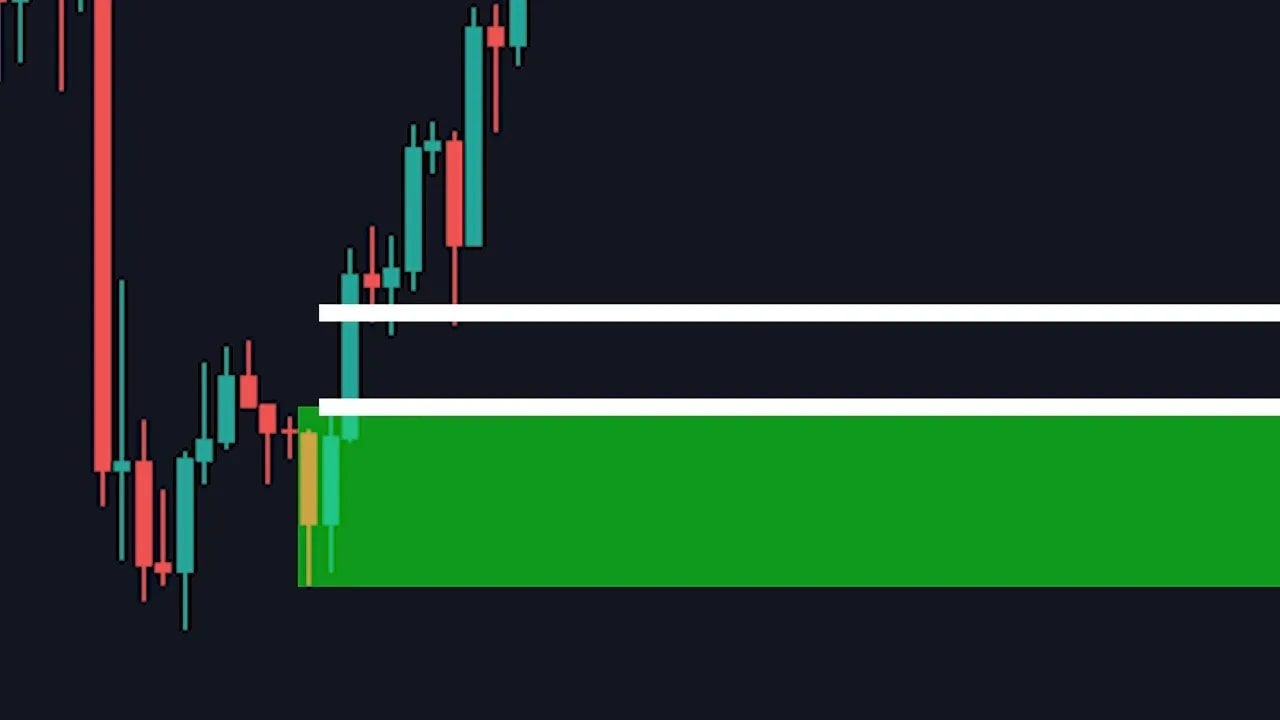
Not every swing is meaningful. To find high-quality zones follow three rules:
Only mark the start of strong, sharp moves. The beginning candle of an aggressive vertical move signals a large imbalance.
Ignore gentle trends and choppy moves. Slightly more sellers than buyers is noise. You want areas where supply or demand massively exceeded the other side.
Locate where retail traders are most likely to enter. Retail commonly chases momentum into the wrong area. Those areas become the liquidity you sell into or buy from.
For example, when a market drops suddenly from a price level, mark the candle just before that drop as the start of a supply zone. When price surges up sharply, mark the candle before it as the beginning of a demand zone. Those marks show where a majority of sellers or buyers took control.
A simple supply and demand trade plan
Turn the supply and demand idea into a repeatable plan:
Mark the start of the aggressive down move as a supply zone, and the start of the aggressive up move as a demand zone.
Wait for price to return to your demand zone. Prefer a slow, measured return rather than an aggressive snap back.
Enter long inside the demand zone. Place a stop loss below the zone low.
Set take profit at the area of supply above.
Sell into the supply zone and let the process repeat.
That sequence puts you on the side of the dominant participants and sells to the retail traders who chase the move higher.
Two ways to make your zones stronger
After you draw zones, two criteria dramatically improve your odds:
Price should approach your zone slowly. A gradual, steady approach signals that liquidity is being absorbed over time and the zone will likely hold. If price re-enters the zone in an aggressive whip, the setup is weaker.
Look for a fair value gap or imbalance at the zone's origin. The ideal zone begins with a candle that creates an obvious gap or imbalance — a rapid jump that leaves unfilled price levels. Those imbalances attract price back to fill or react at the zone.
When both conditions align — an origin with a fair value gap plus a slow retest — the probability of a clean reaction increases significantly.
Applying supply and demand to crypto
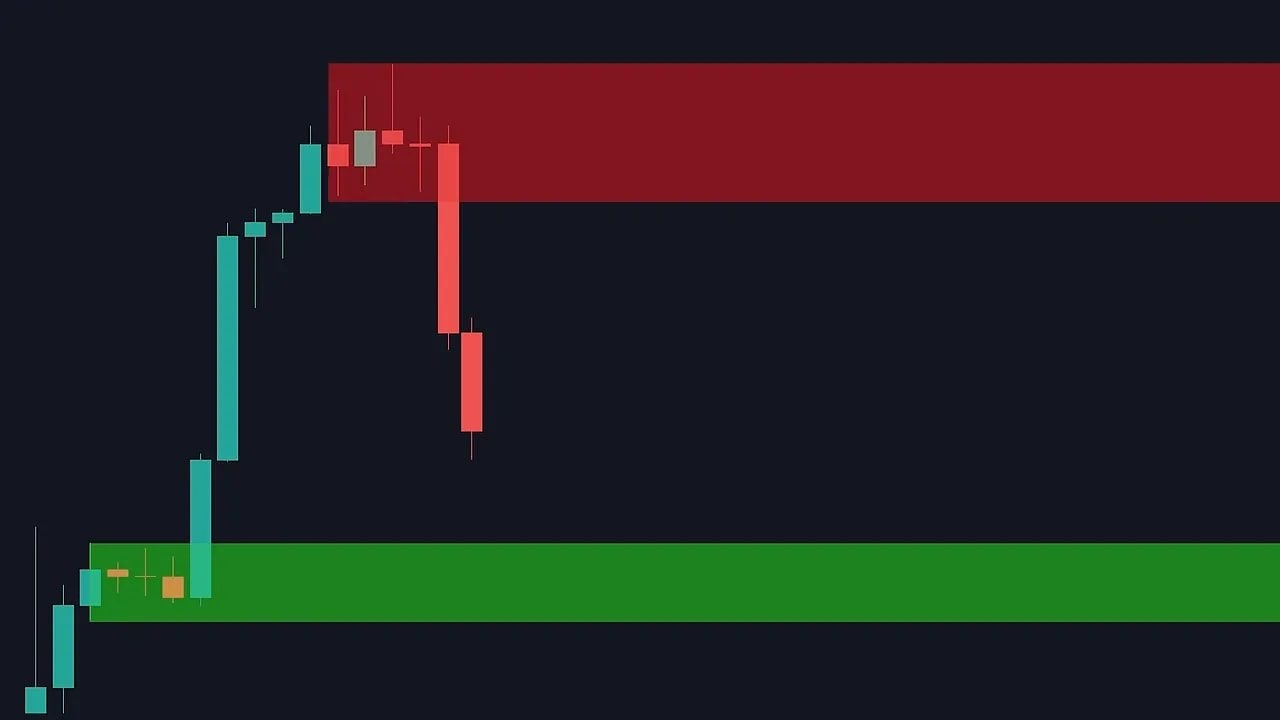
Crypto markets are especially fertile ground for supply and demand trading because they often show rapid imbalances and large liquidity hunts across chains. Volatility can create pronounced imbalances and clear fair value gaps, but speed of return matters even more in crypto.
Using curated crypto signals that highlight supply and demand setups across multiple blockchains can help you find the highest-probability opportunities faster. These signals can surface zones with clear origin imbalances and flag whether the current approach into the zone is slow and healthy or fast and risky. That makes scanning thousands of crypto pairs practical and efficient.
Final checklist for a textbook supply and demand trade
Is the zone drawn from the first candle of an aggressive move?
Does the origin include a fair value gap or imbalance?
Is price approaching the zone slowly and steadily?
Is the stop loss placed just beyond the zone's edge?
Is the take profit set at the opposing supply or demand area?
Answer yes to most of these and you have a statistical edge. Answer no and consider passing on the trade.
FAQ
What exactly is a supply zone?
A supply zone is the price area where selling pressure massively overwhelmed buying pressure, usually identified by the candle before a sharp, fast drop. It represents a level where sellers dominated and where retail traders may later buy into the market, creating liquidity to sell into.
How do I draw a demand zone?
Mark the candle immediately before a strong upward surge. The horizontal zone should cover the wick and body area where price began its aggressive move up. The cleaner the move and the larger the imbalance, the stronger the zone.
What is a fair value gap and why does it matter?
A fair value gap is an unfilled area created by a fast price move where there is little to no trading volume. It signals an imbalance between buyers and sellers. When a zone has a fair value gap at its origin, the chance of a meaningful reaction on retest is higher.
Does supply and demand work in crypto as well as stocks or Forex?
Yes. Crypto often produces very clear imbalances and fair value gaps because of its volatility. That makes supply and demand setups easy to spot, but also increases the need for careful risk management. Combining manual zone work with quality crypto signals can speed up discovery and help prioritize the best setups.
How should I manage risk on supply and demand trades?
Use a stop loss below the demand zone (or above the supply zone for shorts) and size your position so your risk per trade matches your plan. Favor trades where the reward to risk is attractive and avoid overleveraging, especially in fast-moving markets like crypto.