
The U.S. and Israel crippled Iranian forces in two weeks of war, but Tehran’s ability to disrupt oil flows and its uranium stockpile complicate the push to end it.After two weeks of war against Iran, President Donald Trump may soon be ready to declare victory. But he confronts a challenge: Tehran also gets a vote.
With most of Iran’s navy eliminated, much of its missile stockpile destroyed and top leaders killed, Trump is nearing the goals his military leaders set at the outset of the war.
But two weeks of conflict have not achieved the broader aims Trump has sometimes declared. A hardened regime in Tehran remains in power, and it is roiling global oil markets by choking off the vital shipping lane that allows oil and gas out of the Persian Gulf.
The country’s leaders may be more eager than ever to race toward a nuclear weapon, diplomats and analysts say. Iran retains control of what the United States and allied nations believe is 440 kilograms of highly enriched uranium, giving it another chip as the regime battles to defend itself and endure the U.S. and Israeli onslaught.Gasoline prices have spiked 25 percent since the United States and Israel began bombarding Iran, farmers are facing rising fertilizer costs, and the death toll of U.S. troops is rising. Tehran has proved resilient in its ability to attack ships that try to brave the Strait of Hormuz, making it unclear whether a unilateral halt to the war by the U.S. side would be enough to ease energy prices
Trump is eager to declare victory, but a battered Iran still has cards to play
The U.S. and Israel crippled Iranian forces in two weeks of war, but Tehran’s ability to disrupt oil flows and its uranium stockpile complicate the push to end it.
After two weeks of war against Iran, President Donald Trump may soon be ready to declare victory. But he confronts a challenge: Tehran also gets a vote.
With most of Iran’s navy eliminated, much of its missile stockpile destroyed and top leaders killed, Trump is nearing the goals his military leaders set at the outset of the war.
But two weeks of conflict have not achieved the broader aims Trump has sometimes declared. A hardened regime in Tehran remains in power, and it is roiling global oil markets by choking off the vital shipping lane that allows oil and gas out of the Persian Gulf.
The country’s leaders may be more eager than ever to race toward a nuclear weapon, diplomats and analysts say. Iran retains control of what the United States and allied nations believe is 440 kilograms of highly enriched uranium, giving it another chip as the regime battles to defend itself and endure the U.S. and Israeli onslaught.
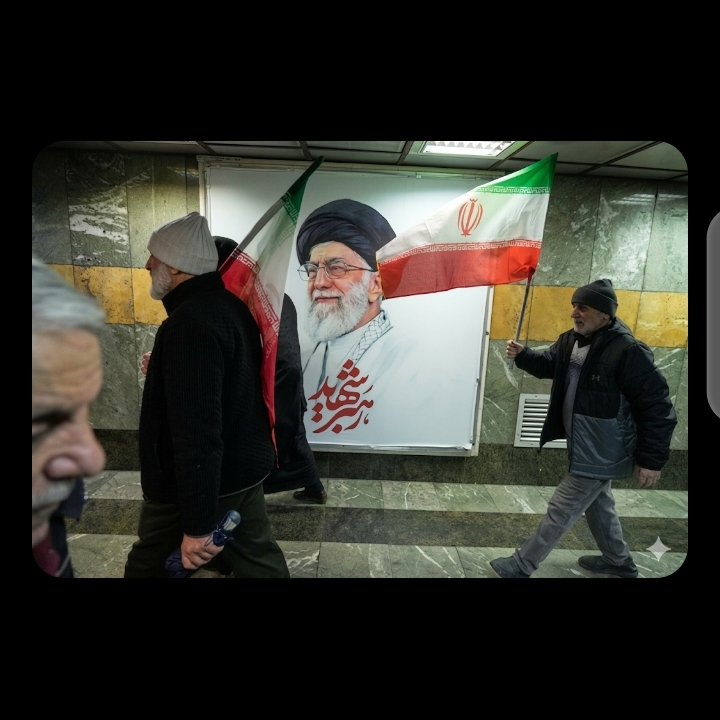 The paradox poses a challenge to Trump’s ability to end the war as he faces increasing pressure from his own party to refocus attention on the economy ahead of the midterm elections
Gasoline prices have spiked 25 percent since the United States and Israel began bombarding Iran, farmers are facing rising fertilizer costs, and the death toll of U.S. troops is rising. Tehran has proved resilient in its ability to attack ships that try to brave the Strait of Hormuz, making it unclear whether a unilateral halt to the war by the U.S. side would be enough to ease energy prices.
Tankers sail in the Persian Gulf on Wednesday near the Strait of Hormuz. (Reuters)
Iranian bombardment has also posed huge challenges to Persian Gulf nations that have traditionally been U.S. allies and host American military bases.
Trump continues to assert that he, alone, controls the pace of the fighting.
The war will end “when I feel it, feel it in my bones,” Trump told Fox News Radio on Friday, saying that he didn’t think it “would be long.”
He added: “We’re way ahead of schedule. Way ahead.”
There is a broad gap, however, between what has been achievable on the battlefield and Washington’s ability to control Iran as a regional threat, said Suzanne Maloney, an expert on U.S.-Iran relations who is the vice president of foreign policy at the Brookings Institution.
“We’ve had immense success in achieving specific military objectives, but as long as Iran can dictate the end date for the war and still retain a pathway to nuclear weapons capability, it’s a strategic catastrophe,” she said.