
The cryptocurrency market is witnessing a powerful institutional-led recovery following weeks of geopolitical turbulence. This week, Bitcoin (BTC) briefly changed hands above the $74,000 mark, marking a 7% gain over the past seven days. Meanwhile, Ether (ETH) has significantly outperformed the leader, surging roughly 13% as capital rotates into the broader ecosystem.
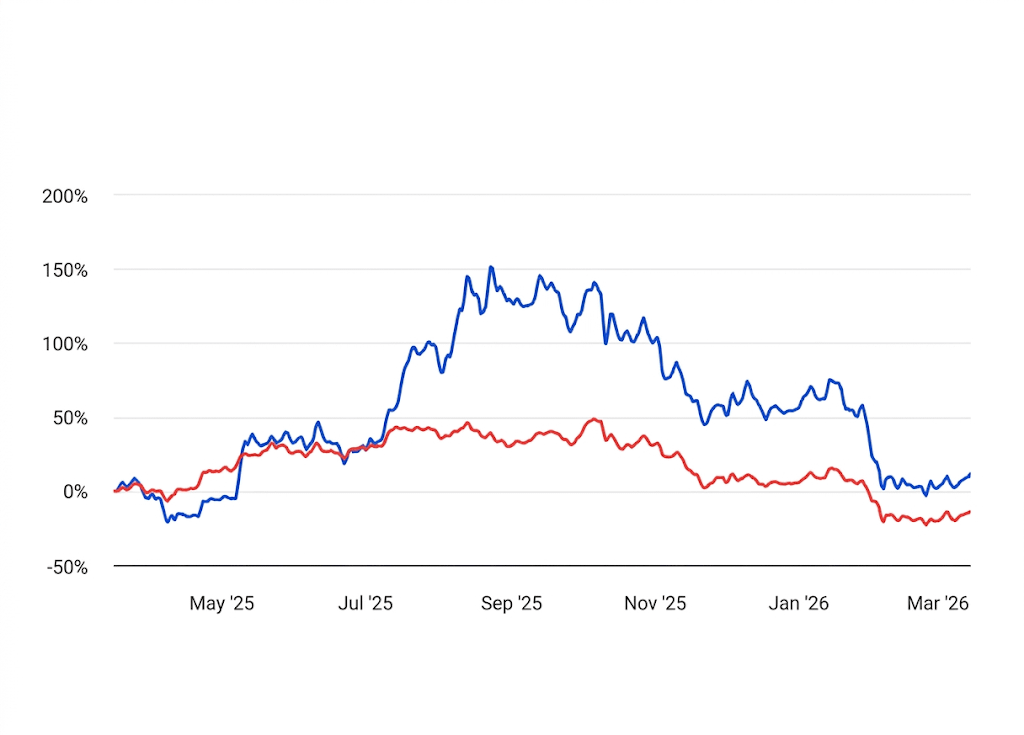
From an analyst's perspective, this momentum is driven by a profound shift in market structure:
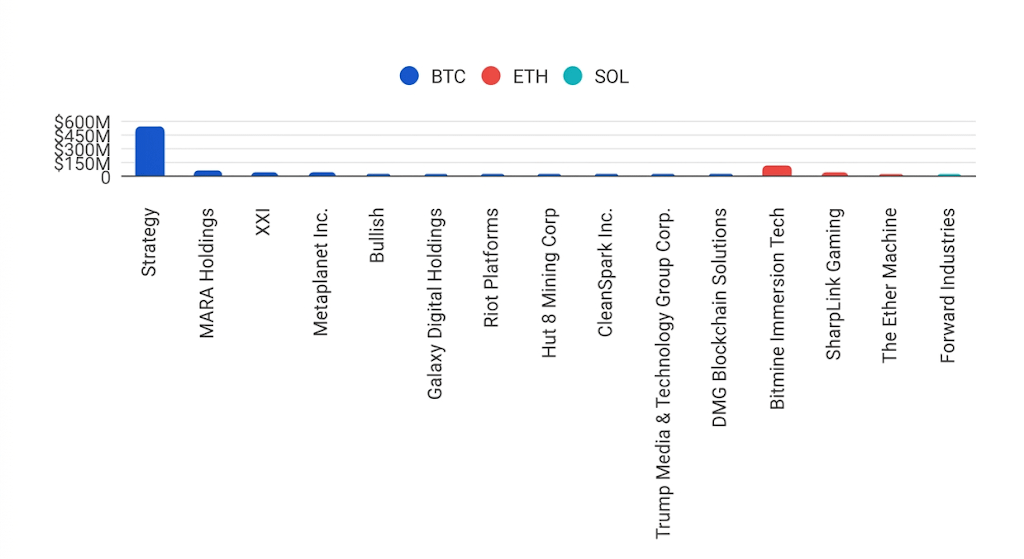
Supply-Demand Imbalance: Institutional demand is currently overwhelming the market. According to multiple analysts, corporate and institutional buyers are acquiring BTC at approximately 2.8x the rate of new supply being issued. This massive supply sink, largely driven by consistent spot ETF inflows, is creating a "supply shock" that provides a high-conviction floor for price action.
The "Gamma Squeeze" Risk: Technical data from QCP Capital and Glassnode suggests that the market is sitting on a "powder keg" of options positioning. There is a massive concentration of open interest around the $75,000 strike price. If Bitcoin decisively breaks above this level, it could trigger a "Gamma Squeeze," forcing market makers to buy massive amounts of spot BTC to hedge their delta, thereby accelerating volatility to the upside.
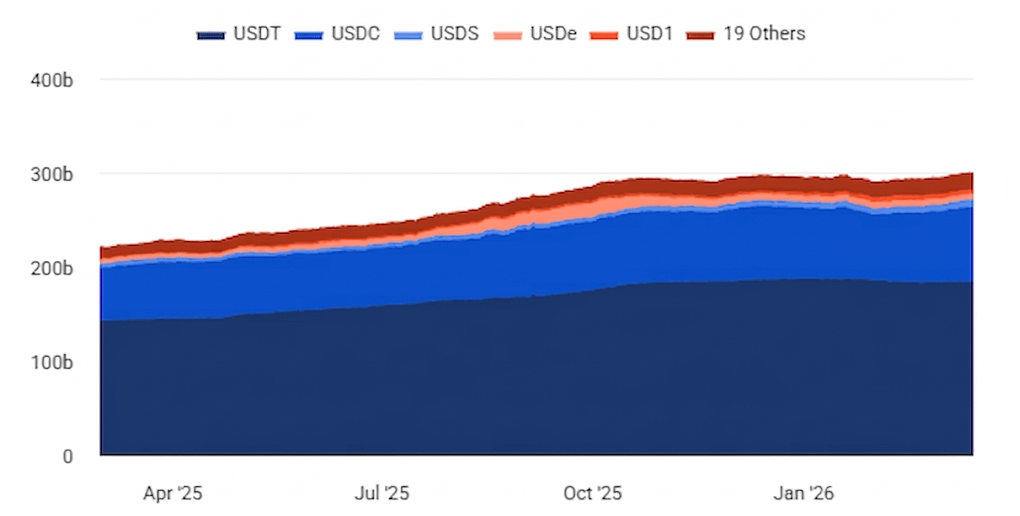
Macro Hedging Amid Energy Shocks: Despite the U.S. February core CPI coming in at 0.2%, the recent spike in oil prices toward $120/barrel due to Middle Eastern conflicts has reinforced Bitcoin’s "Digital Gold" narrative. Institutional portfolios are increasingly treating BTC as a hedge against the risk of a fresh inflation pulse.
While the market sentiment is leaning bullish, macro uncertainties continue to loom. The "Fear & Greed Index" remains sensitive, and the global market is bracing for the Federal Reserve’s March 18 policy meeting.
For traders, $75,000 represents the ultimate "line in the sand." A successful breach could open the doors to the $120,000 targets projected by some macro analysts, while a failure to flip this level into support may lead to short-term liquidations of high-leverage positions.