
Most systems still treat identity as a one-time verification step.
But in real-world deployments, identity doesn’t stop there — it becomes a layer that everything else depends on.
That’s the gap @SignOfficial is focusing on.
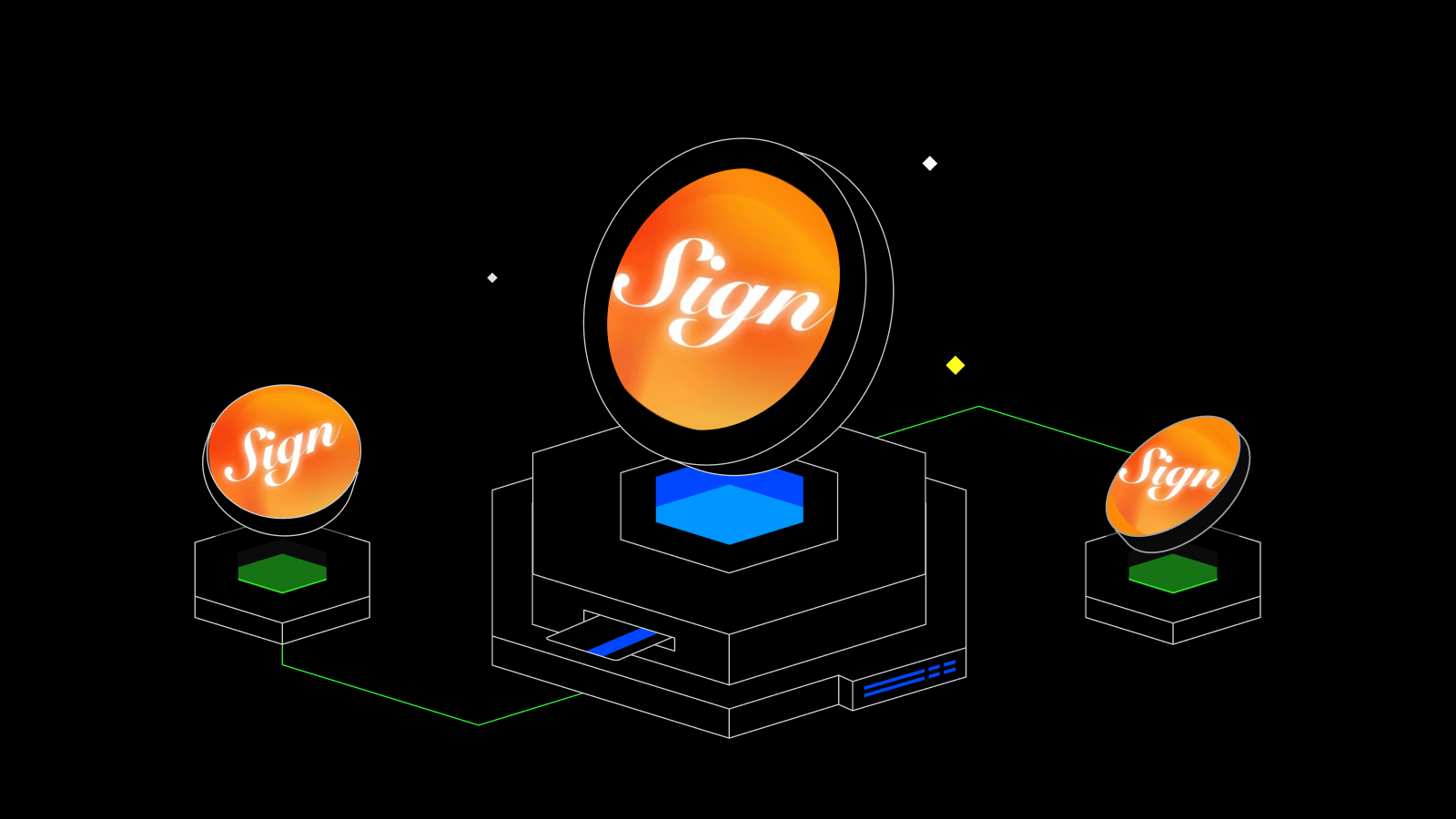
Instead of forcing repeated checks, SIGN structures credentials so they can be reused across systems.
What changes with that approach:
• Credentials don’t need to be reverified every time
• Validation stays consistent across different environments
• Identity can plug directly into things like token distribution
The real issue isn’t verification — it’s fragmentation.
When credentials can’t move across platforms, processes restart, costs increase, and trust gets weaker between systems.
SIGN is solving this by turning credentials into something persistent — not just one-time proofs, but infrastructure other systems can rely on.
This matters even more for regions building connected digital systems at scale, where identity, access, and distribution need to work together smoothly.
SIGN isn’t just about proving identity once.
It’s about making identity usable again and again, without friction.