
The Problem with Blind Trust
In today’s digital world, we rely on systems we don’t fully understand. Whether it’s logging into apps, transferring money, or verifying identity, we often trust that everything works as promised. But this “blind trust” model has flaws. Data breaches, fake identities, and hidden manipulation show that trust alone is no longer enough.@SignOfficial
Think of it like handing over cash without a receipt. You hope the other party is honest, but you have no proof. This gap between trust and verification is exactly where modern digital systems struggle the most today.
What Does “Verifiable” Really Mean?
Verifiability means you don’t have to blindly believe something—you can prove it. Instead of trusting a system, users can independently confirm that everything is accurate and secure. This is a major shift from traditional models.
Imagine buying a product online and being able to check its entire journey, from factory to delivery, instantly. That’s the power of verifiable systems. They replace assumptions with proof, making interactions more transparent and reliable for everyone involved.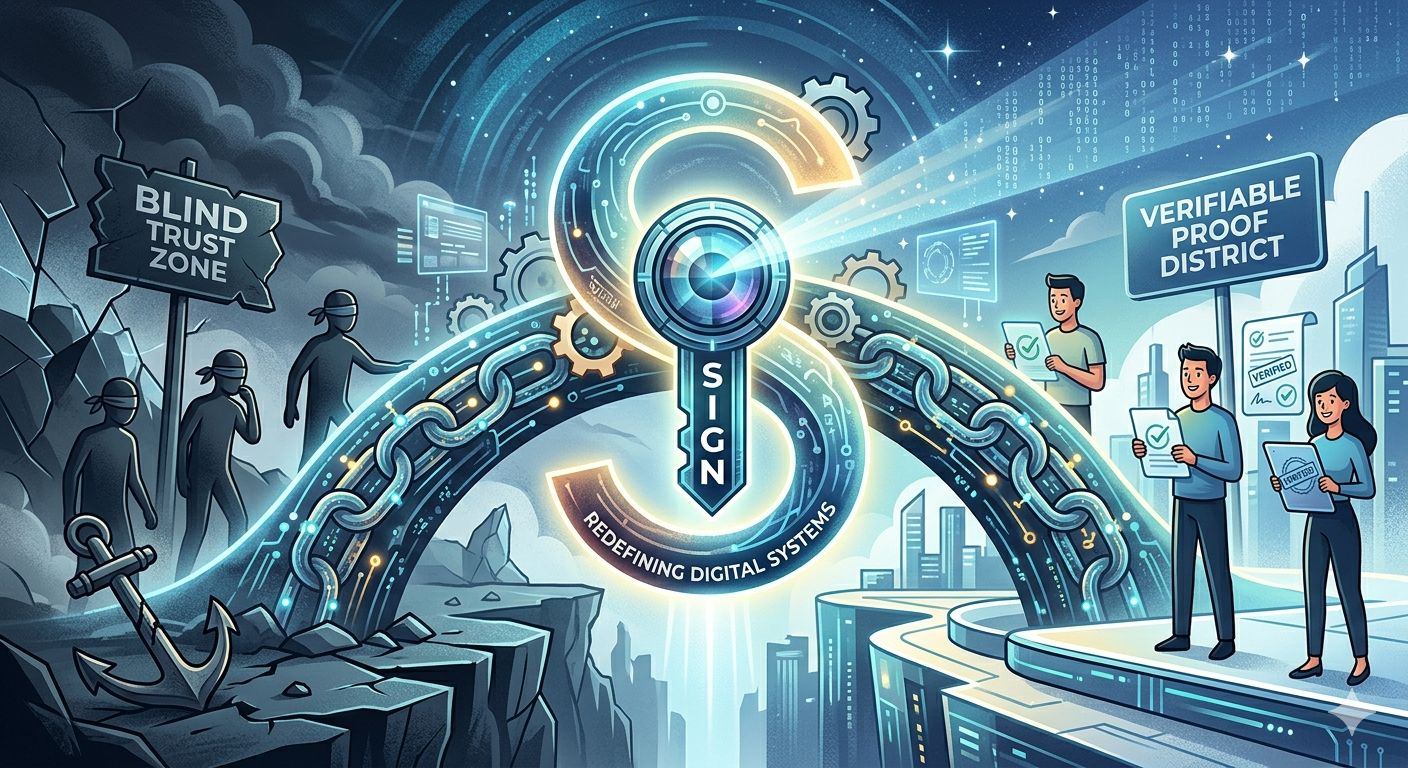
Enter SIGN: A New Approach
SIGN introduces a system where trust is no longer assumed but mathematically proven. It focuses on creating digital environments where actions, identities, and data can all be verified without relying on a central authority. This is a key evolution in how digital systems operate.
Instead of saying “trust me,” SIGN says “verify me.” This simple shift changes everything. It empowers users to take control, reducing reliance on intermediaries and minimizing the risk of manipulation or fraud in digital interactions.
How SIGN Works in Simple Terms
At its core, SIGN uses cryptographic proofs to validate information. This means that every action or piece of data comes with a form of digital evidence. Users can check this evidence themselves, ensuring that what they see is genuine.
Think of it like a sealed envelope with a transparent window. You can clearly see what’s inside without opening it or trusting someone else’s word. This balance of privacy and transparency is what makes SIGN’s approach so powerful and practical.
Real-World Use Cases Made Easy
SIGN’s model can be applied across many areas. For example, in identity verification, users can prove who they are without sharing sensitive personal data. This reduces risks like identity theft while keeping the process smooth and secure.
In finance, transactions can be verified instantly without relying on third parties. This not only increases speed but also builds confidence among users. Even in voting systems or online communities, verifiable proofs ensure fairness and authenticity, creating a more trustworthy environment overall.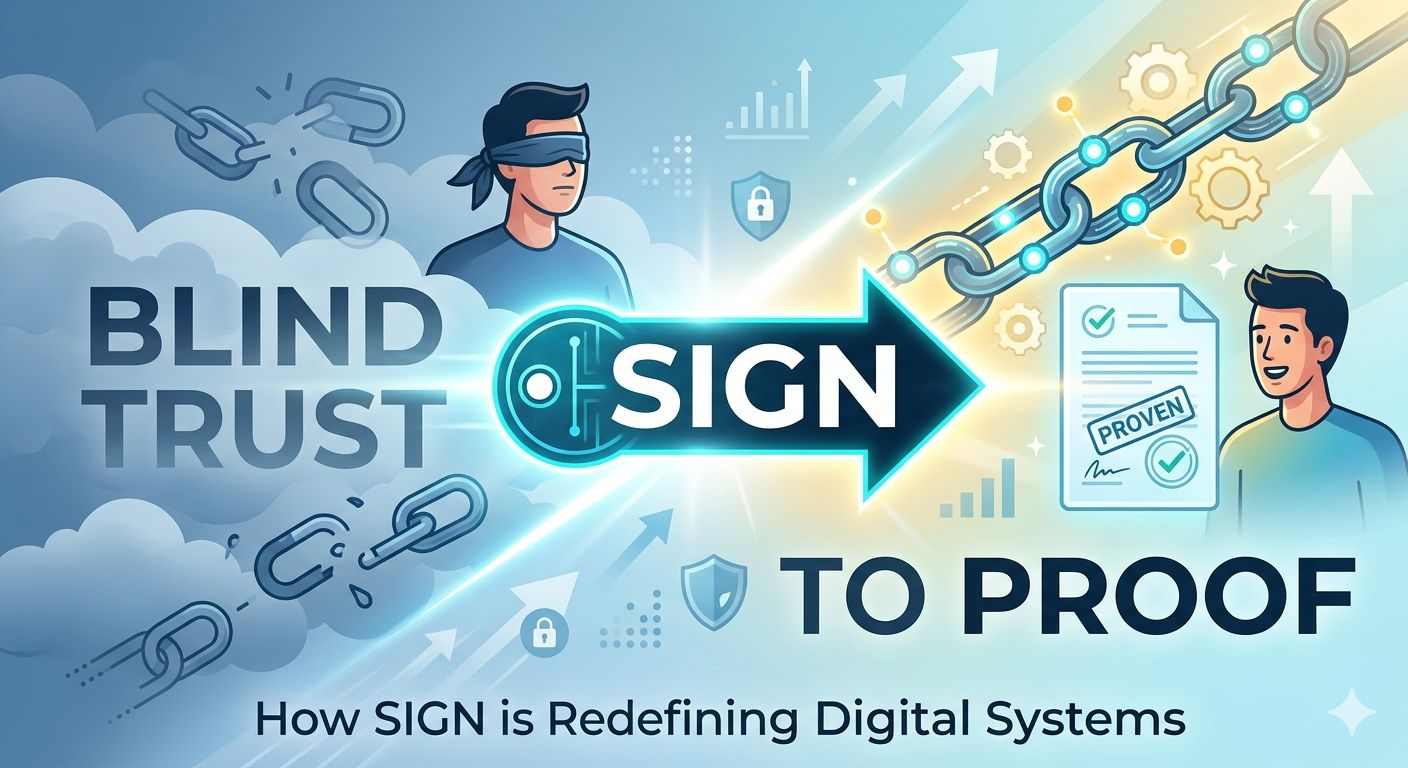
Why This Matters for the Future
As digital systems grow more complex, the need for trustless verification becomes critical. People want control over their data and assurance that systems are fair. SIGN’s approach aligns perfectly with this demand, offering a more transparent and user-focused solution.
This shift is not just technical—it’s cultural. Moving from blind trust to verifiable proof changes how we interact online. It builds stronger communities, reduces risks, and creates a foundation for more reliable digital experiences in the long run.
In a world where proof beats promises, systems like SIGN are shaping a future where trust is earned through transparency, not assumed through convenience.