
OpenAI is reportedly developing a powerful desktop “superapp” that could reshape how users interact with artificial intelligence. By merging multiple tools into a single unified platform, the company is aiming to simplify workflows, enhance productivity, and strengthen its position in the rapidly evolving AI landscape.
What Is the OpenAI Desktop Superapp?
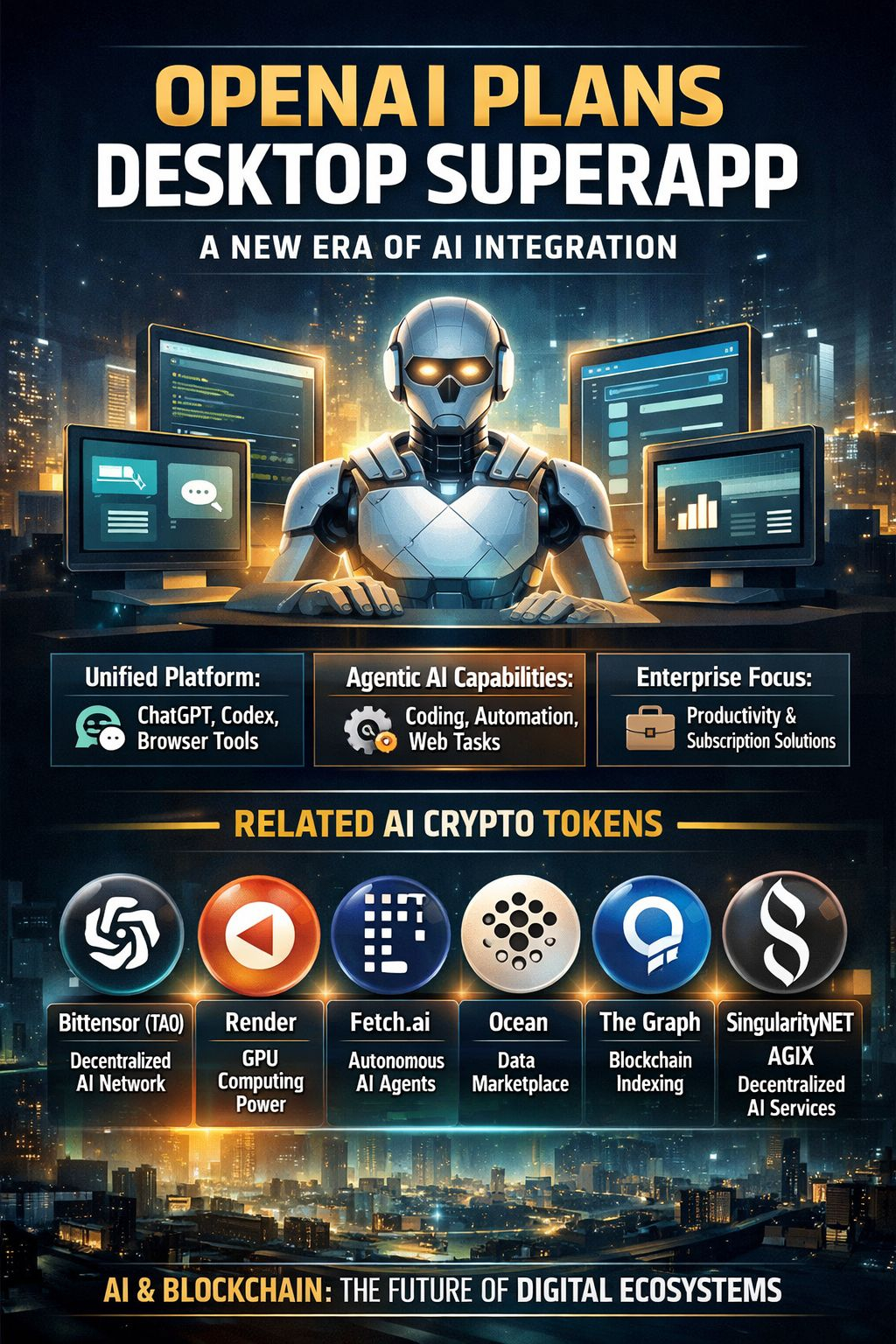
The upcoming superapp is designed to combine several of OpenAI’s core products into one seamless desktop experience, including:
ChatGPT (AI assistant)
Codex (AI coding agent)
AI-powered browser tools
This unified platform will allow users to interact with AI across multiple functions—chat, coding, browsing, and task automation—without switching between apps.
The move reflects a broader shift toward all-in-one digital ecosystems, similar to how “super apps” operate in fintech and social platforms.
Why OpenAI Is Building a Superapp
OpenAI’s decision comes after internal concerns about product fragmentation and inefficiencies. By consolidating its tools, the company aims to:
Improve user experience
Reduce overlapping features
Increase development efficiency
Focus on high-impact products
Executives are reportedly prioritizing core offerings like coding tools and productivity solutions, while scaling back less critical projects.
This strategy also helps OpenAI compete more effectively with rivals like Anthropic, whose AI coding tools have gained traction in enterprise markets.
Key Features and Vision
The desktop superapp is expected to introduce “agentic AI” capabilities, meaning the system can perform tasks autonomously on behalf of users.
Potential capabilities include:
Writing and debugging code automatically
Performing data analysis
Browsing and interacting with websites
Managing workflows across applications
This positions the superapp as more than just a chatbot—it becomes a personal AI operating system.
Enterprise Focus and Monetization
OpenAI is increasingly targeting business and enterprise users, where demand for AI-powered productivity tools is growing rapidly.
By integrating tools into one platform, OpenAI can:
Offer subscription-based enterprise solutions
Increase user retention
Compete with platforms like Microsoft Copilot and Google Workspace
This aligns with broader industry trends where AI tools are becoming essential for developers, analysts, and businesses.
Market Impact and Competition
The launch of a desktop superapp could have major implications:
For developers: A centralized hub for coding and automation
For businesses: Streamlined workflows and cost efficienc
For competitors: Increased pressure to integrate AI features
OpenAI’s Codex alone has already seen rapid adoption, with millions of users leveraging AI for software development.
What It Means for the Future of AI
The superapp concept signals a shift toward AI-first computing, where:
AI becomes the primary interface
Apps are replaced by intelligent agents
Tasks are automated end-to-end
Instead of switching between tools, users may rely on a single AI system to handle everything—from coding to research to decision-making.
Conclusion
OpenAI’s desktop superapp represents a significant step toward a unified AI ecosystem. By combining chat, coding, and browsing into one platform, the company is positioning itself at the center of the next wave of digital productivity.
If successful, this move could redefine how users interact with technology—transforming AI from a tool into a complete operating layer for everyday tasks.


#OpenAIPlansDesktopSuperapp #AnimocaBrandsInvestsinAVAX #BinanceKOLIntroductionProgram #FTXCreditorPayouts #MarchFedMeeting