
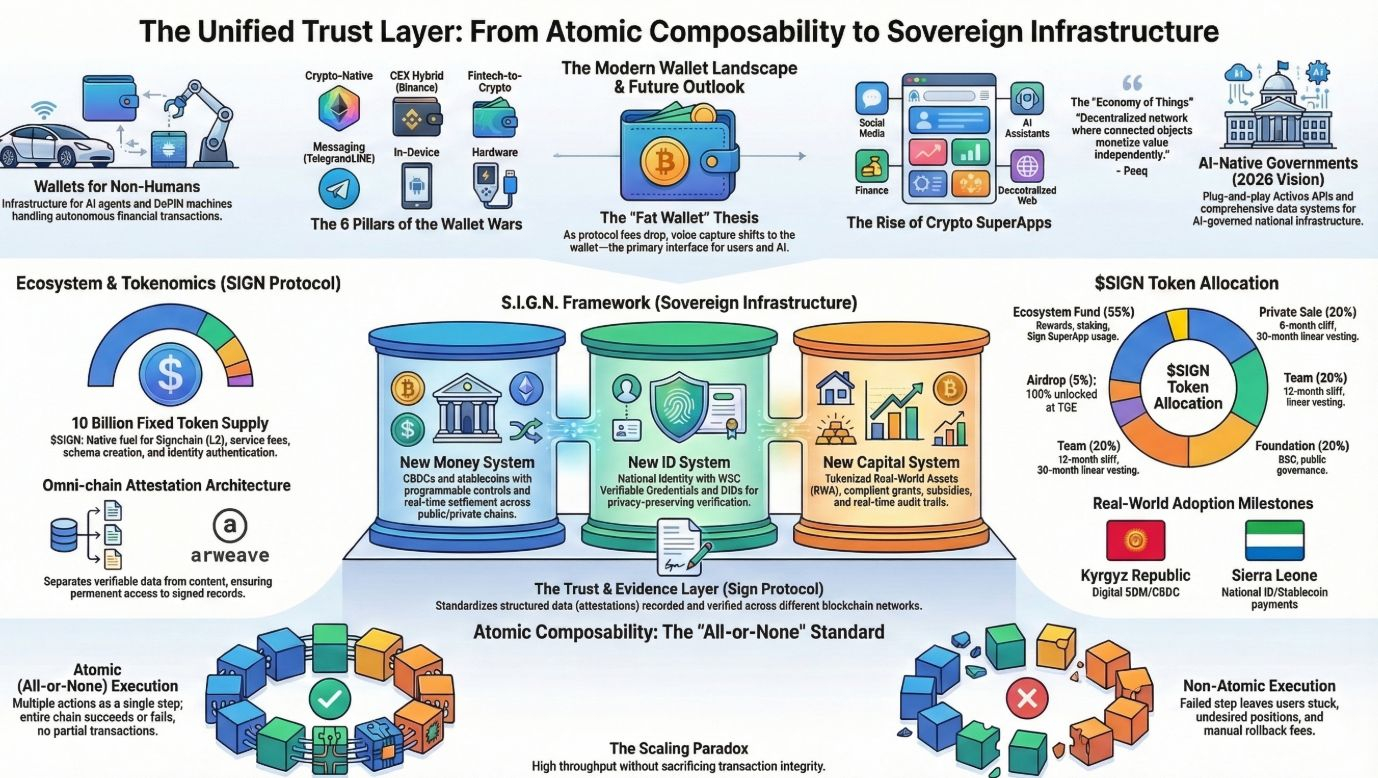
Most people hear the word composability and think it is just another technical concept that only developers care about. It does not sound exciting, and it rarely shows up in market narratives. But underneath many of the limitations in Web3 today, composability is quietly one of the core missing pieces.
In simple terms, composability is about whether different pieces of a system can be combined and reused without friction. It is what allows one application to build on top of another instead of starting from zero every time.
Right now, Web3 talks a lot about modularity, but in practice many systems are still difficult to compose. Each protocol defines its own structure. Each application builds
its own logic. Even when they exist on the same chain, combining them in a meaningful way is not always straightforward.
The result is that innovation becomes isolated. There is activity, there is liquidity, there are users, but these elements do not connect as efficiently as they should. Value gets created, but it does not flow easily across different systems.
This is where SIGN becomes relevant in a less obvious way. Instead of focusing only on building new applications, it focuses on how actions and data can be structured so they can be reused across different contexts.
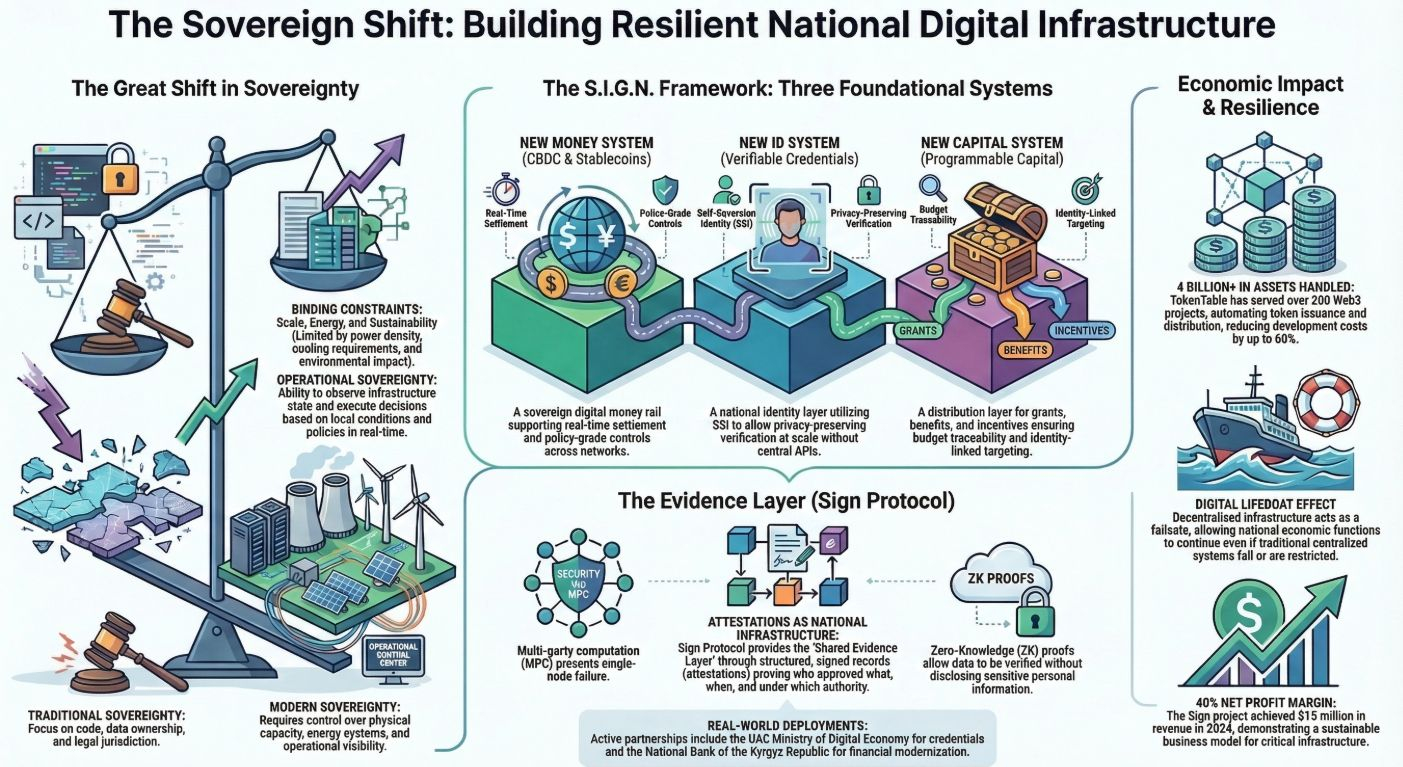
When actions are expressed in a consistent and verifiable format, they become easier to compose. A record created in one system can be understood and used in another without being reinterpreted from scratch.
That changes how systems scale. Instead of growing as isolated units, they can start to connect into a larger network where each component adds to the overall capability.
You can see why this becomes important as more real world use cases emerge. Institutions do not operate in isolation. They require systems that can interact across different departments, platforms, and processes. Without composability, every connection becomes a custom integration.
In a broader sense, composability acts like a foundation for building complex systems. Without it, everything remains fragmented. With it, systems can evolve by layering on top of each other.
$SIGN positions itself in this underlying layer by supporting how verifiable data can move and be reused across systems. It is not something most users will notice directly, but it affects how far the ecosystem can actually grow.
There is also a token involved, but its long term relevance depends on whether this layer becomes widely adopted. Without usage, it remains a concept. With usage, it becomes infrastructure.
The challenge is that composability does not create immediate excitement. It is not something that drives short term attention, and it is easy to overlook compared to more visible narratives.
But as systems become more complex, the need to connect them efficiently becomes unavoidable.
When that happens, the ability to reuse and combine what already exists will matter more than constantly building from scratch.
Composability may not be what people focus on today. But it is often what determines whether an ecosystem can grow beyond isolated success into something truly scalable.