I keep coming back to the same thought whenever I look at cross-border payments: the system still feels older than the internet.
Send money internationally through banks, and the experience is usually the same. Delays, extra charges, conversion costs, and too many middle layers taking their cut before the payment even arrives. For something as basic as moving money, it still feels more complicated than it should.
That is why Binance Pay stands out to me.
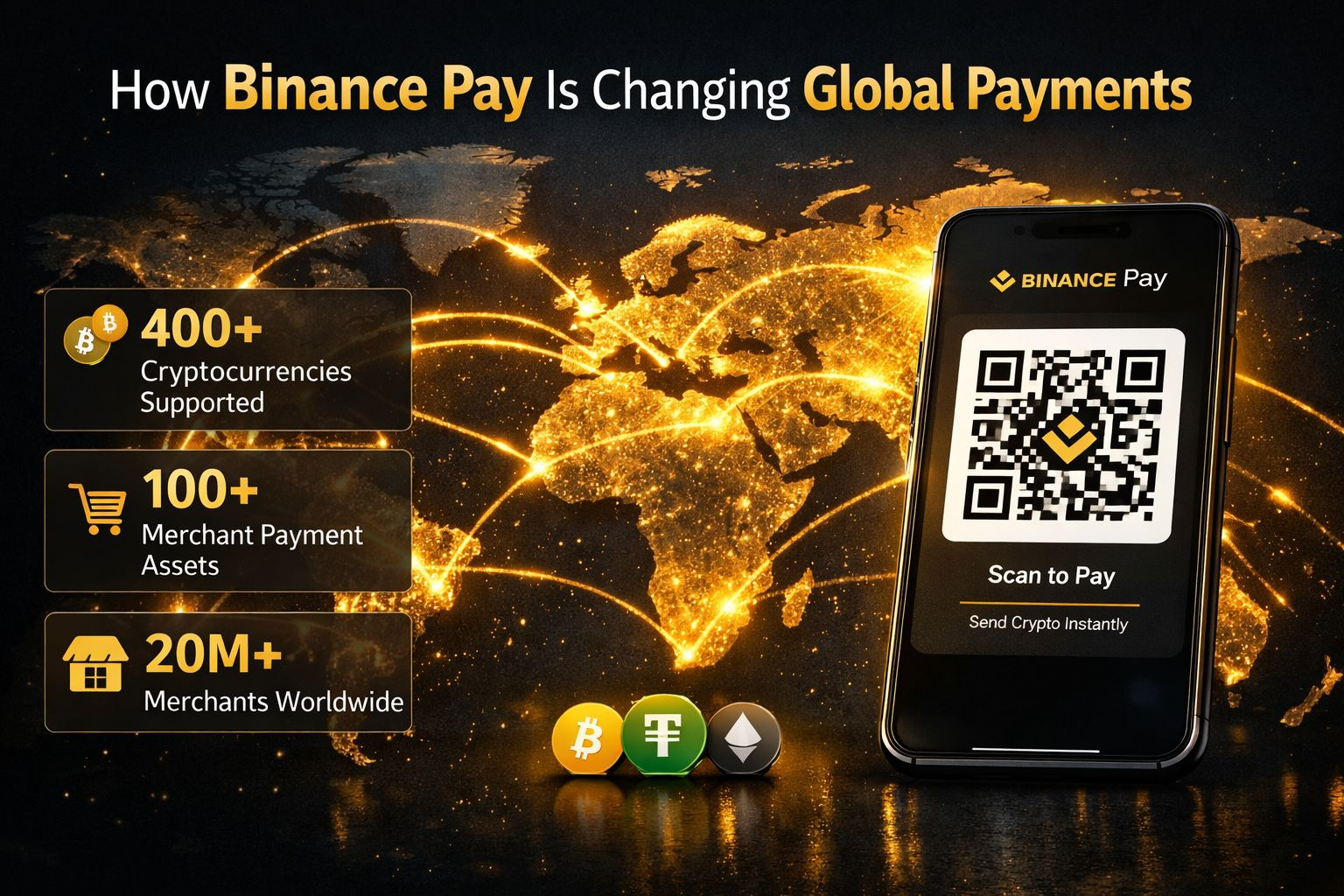
What makes it interesting is not just that it lets people send crypto. A lot of platforms can do that. What matters is that Binance Pay is turning crypto into something much more practical for everyday use. It brings payments, transfers, and spending into one simple flow inside the Binance app.
If I want to send money to someone, I do not need to think in terms of bank rails, card networks, or slow settlement windows. I can send directly from wallet to wallet, often within moments. That changes the user experience completely.
And the bigger point here is speed.
Traditional international transfers can take days. Binance Pay makes digital payments feel closer to how the modern world actually moves fast, mobile, and always on. For freelancers, remote workers, online sellers, and cross-border businesses, that kind of speed is not just convenient. It can genuinely improve cash flow and remove friction from daily operations.
Then there is the cost side.
In the old system, fees show up everywhere. Banks charge. Processors charge. Currency exchange adds another layer. Sometimes the final receiver gets less than expected because value leaked out all the way through the transfer path.
With Binance Pay, that structure starts to look very different. Fewer intermediaries means fewer points where value gets shaved away. That is a meaningful shift, especially for people and businesses making frequent international payments.
I also think merchant adoption is where this becomes more than just a wallet feature.
A payment tool becomes powerful when people can actually use it in the real world. That is where Binance Pay seems to be gaining ground. As more merchants, travel services, online sellers, and digital businesses accept crypto payments, the idea starts to move from experiment to infrastructure.
That is the part worth watching.
Because once payments become faster, cheaper, and easier across borders, crypto stops looking like only an investment market. It starts looking like a working financial layer for global commerce.
To me, that is what Binance Pay is really changing. Not just how people send crypto, but how people think about money movement itself.
Would you actually use crypto for everyday payments if it was this simple?