

Midnight Network is something I found myself reflecting on after a very simple moment in my daily routine. I was creating an account on a platform and without thinking much I started entering my personal details again. Name email number and sometimes even more sensitive information just to move forward. I have been noticing how normal this has become for all of us. It feels convenient on the surface but deep down there is a quiet discomfort that keeps growing.
The more I paid attention the more I realized how much of our identity we casually give away. Every click every signup every transaction leaves behind a trail. I started wondering if this is really the only way digital systems can function. Even technologies that promise freedom like blockchain seem to carry this same pattern. Transparency exists but it often comes at the cost of personal privacy and that tradeoff does not feel right anymore.
Recently something caught my attention that made me pause and think differently. Midnight Network entered my radar not as a loud trend but as a subtle shift in thinking. At first I was unsure because many projects talk about privacy but very few truly solve it in a meaningful way. Still there was something about this idea that kept pulling me in. It felt like it was trying to answer a deeper question rather than just follow hype.
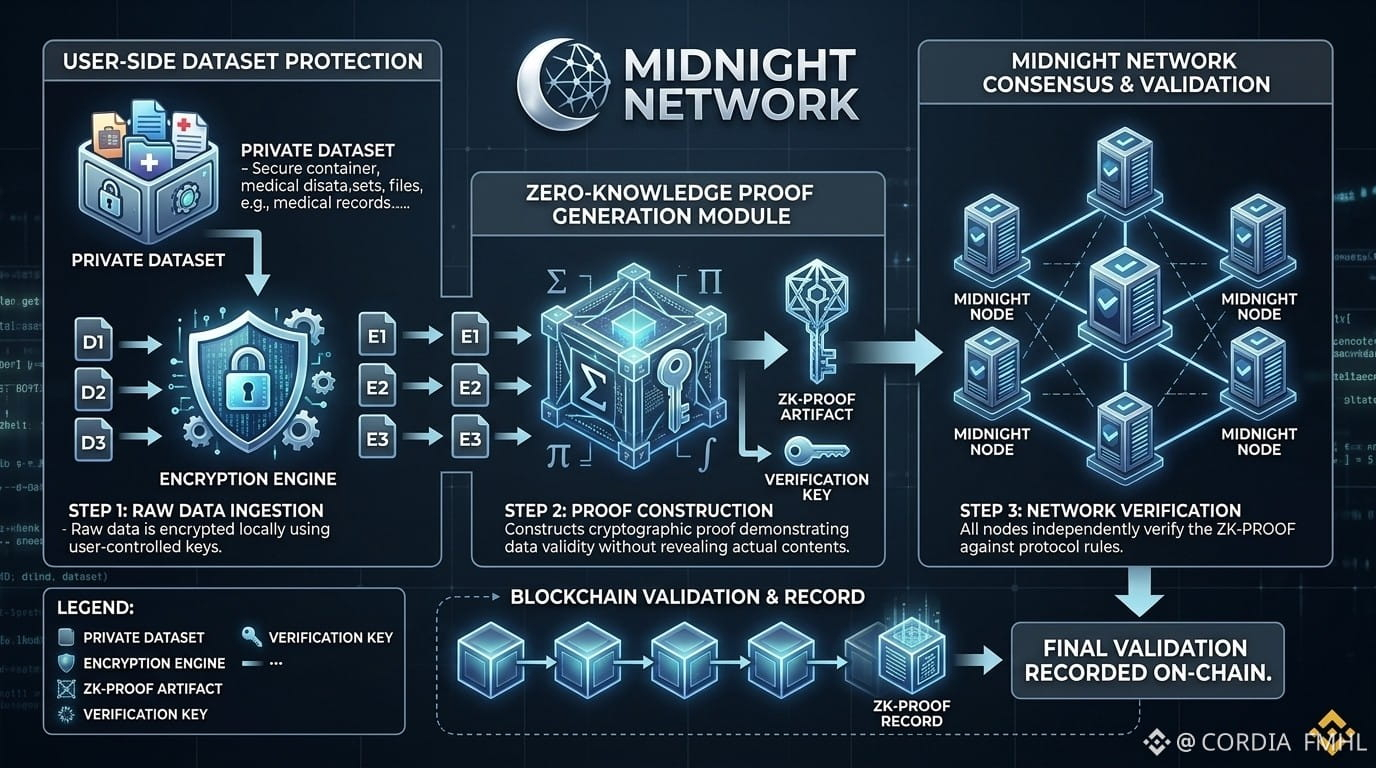
As I explored it further I started understanding the concept in a much simpler way. Midnight Network uses a method where you can prove something is true without actually revealing the underlying information. I kept imagining it like entering a secure place where you only need to prove you are allowed inside without showing your full identity. That feeling of being verified without being exposed felt powerful and almost overdue.
This direction started to feel important the more I connected it with the world we live in today. Data has become one of the most valuable assets in existence. It fuels artificial intelligence drives decisions and shapes entire industries. Yet most people do not truly own or control their data. It is either collected by centralized systems or exposed in open networks. That imbalance feels like a problem waiting to be solved.
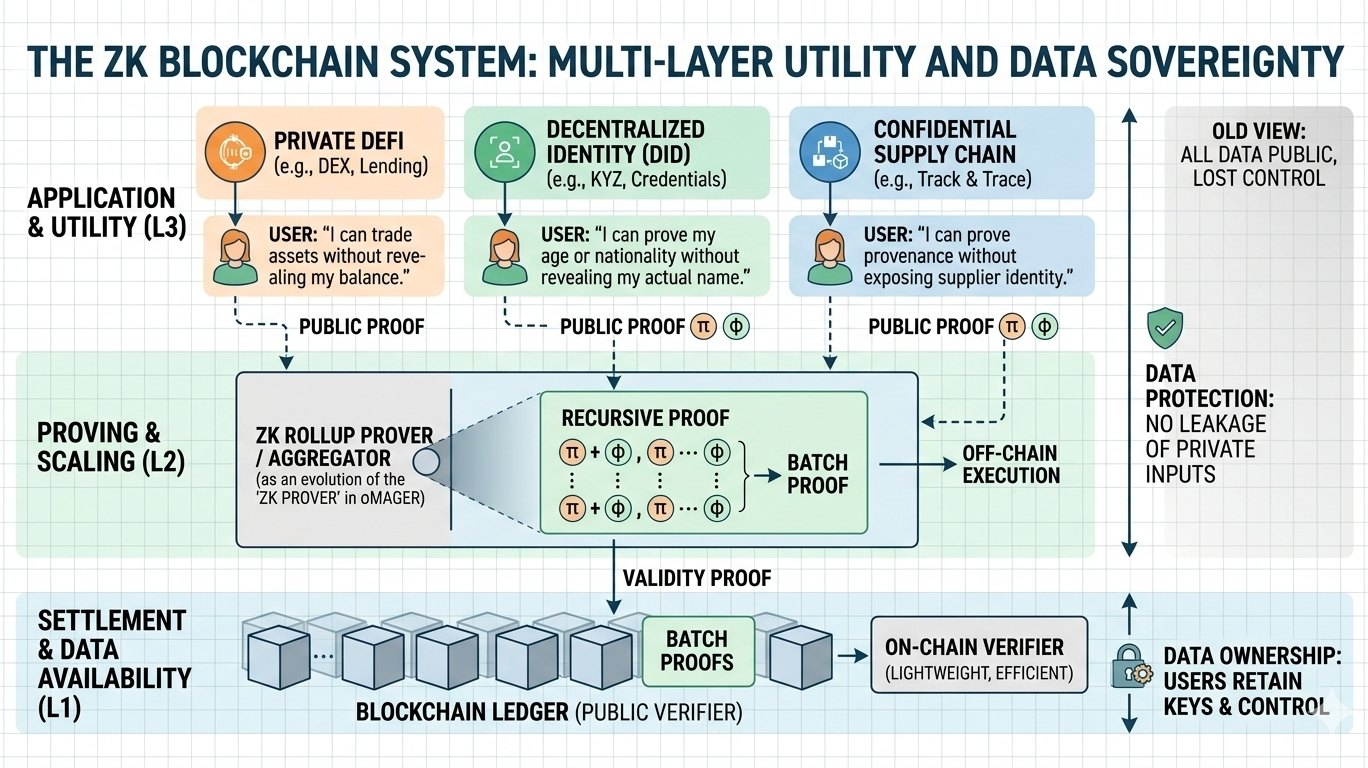
What really stood out to me was the idea that privacy and usefulness do not have to cancel each other out. Midnight Network seems to suggest that both can exist together if designed carefully. Instead of choosing between transparency and protection it creates a space where selective sharing becomes possible. That shift changes how trust can be built in digital environments. It is no longer about revealing everything but about revealing only what is necessary.
At the same time I could not ignore the questions forming in my mind. I kept wondering how easy this will be for everyday users to adopt. Advanced privacy systems often come with complexity that can create barriers. There is also the challenge of performance since these methods can require more resources. I found myself thinking about whether this can scale smoothly if it gains real attention.
Looking at the bigger picture it feels like we are entering a new phase of digital evolution. The focus is slowly shifting from just speed and access to control and ownership. People are becoming more aware of how their data is used and they are starting to care more deeply about it. Midnight Network seems to be aligned with this shift in a way that feels natural rather than forced. It is not just a solution but part of a larger movement.
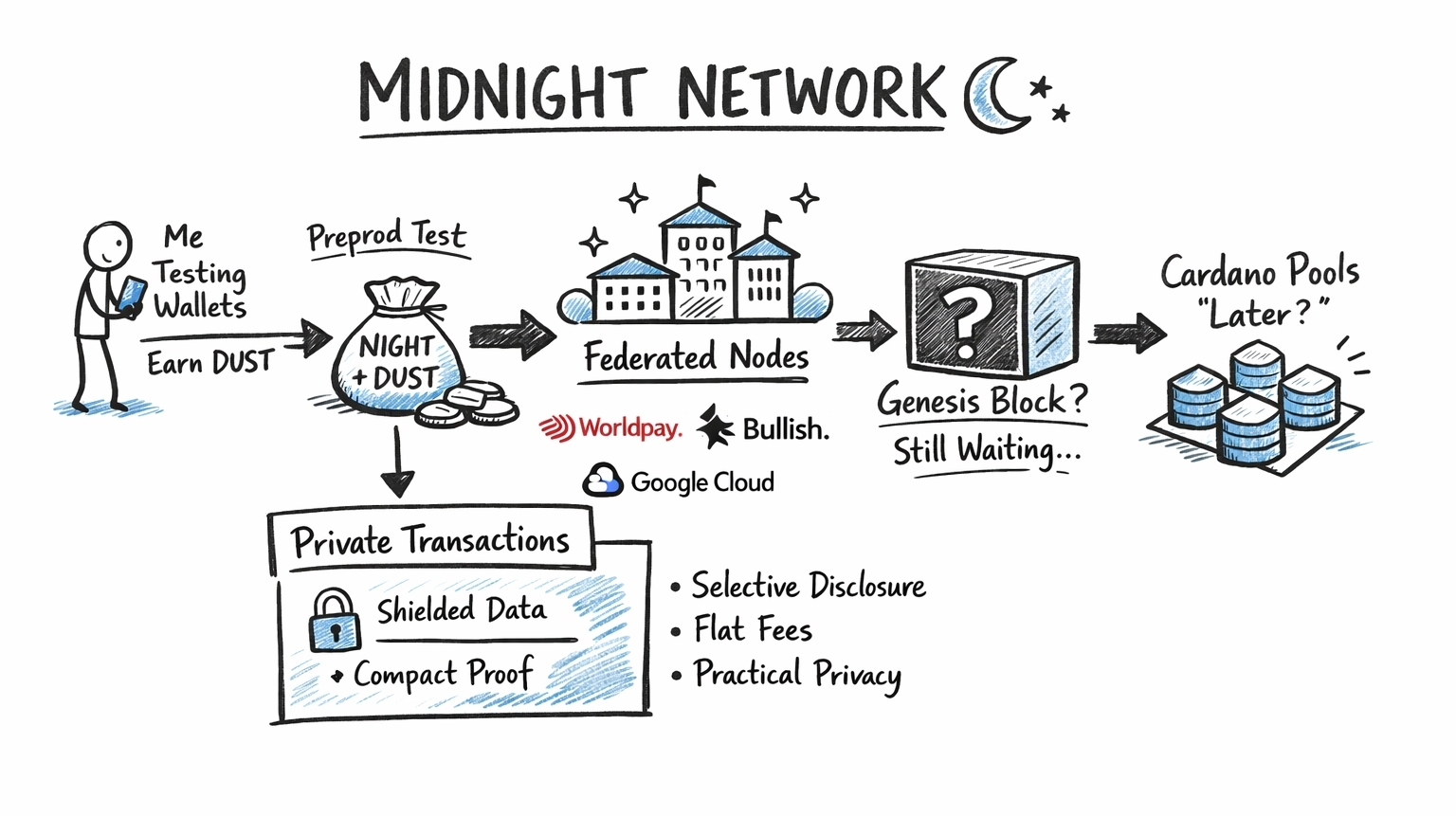
The thought that stays with me is surprisingly simple yet deeply powerful. What if the future of trust is not about exposing everything but about proving just enough. That small change in perspective could redefine how systems are built and how people interact within them. Midnight Network might still be early in its journey but it carries an idea that feels bigger than itself. And sometimes it is these quiet ideas that end up changing everything.