

SIGN is something that stayed in my mind after a very ordinary moment in my day. I was trying to access a platform claim a reward and verify my account and it felt like I was repeating the same steps over and over again. I have been noticing how often we are forced to prove who we are even after doing it multiple times before. It made me feel like the digital world has no memory of trust. That quiet frustration slowly turned into curiosity about whether things really have to work this way.
I started wondering why every platform behaves like a separate world with its own rules and its own checkpoints. What caught my attention was how normal this has become even though it clearly wastes time and energy. I kept thinking that trust should not feel this temporary or fragile. It should move with us instead of resetting every time we interact somewhere new. That thought kept growing until I came across SIGN and I felt like I might be looking at a different direction.
At first I was unsure because many projects claim to change everything but end up adding more complexity. But the more I explored SIGN the more I felt like it was approaching the problem from a different angle. It does not try to force change loudly but instead builds a quiet layer underneath everything. I began to see it as something foundational rather than something visible. That subtle approach is what made me take it seriously.
From what I understand SIGN is building a system where credentials can be verified once and then reused across different platforms. Instead of proving identity participation or achievements again and again those proofs become portable. I found myself comparing it to how we use documents in real life where one trusted proof can be accepted in many places. This idea feels simple yet powerful because it removes unnecessary repetition. It turns trust into something that can actually last.
What made it even more interesting for me was how this connects to token distribution and rewards. I have been noticing how unfair and chaotic distribution systems can be where bots or manipulation often take control. SIGN seems to connect verified identity with how value is distributed which adds a sense of fairness. It made me think about how many systems fail not because of bad design but because they cannot verify real participation. This approach feels like it could quietly fix that.
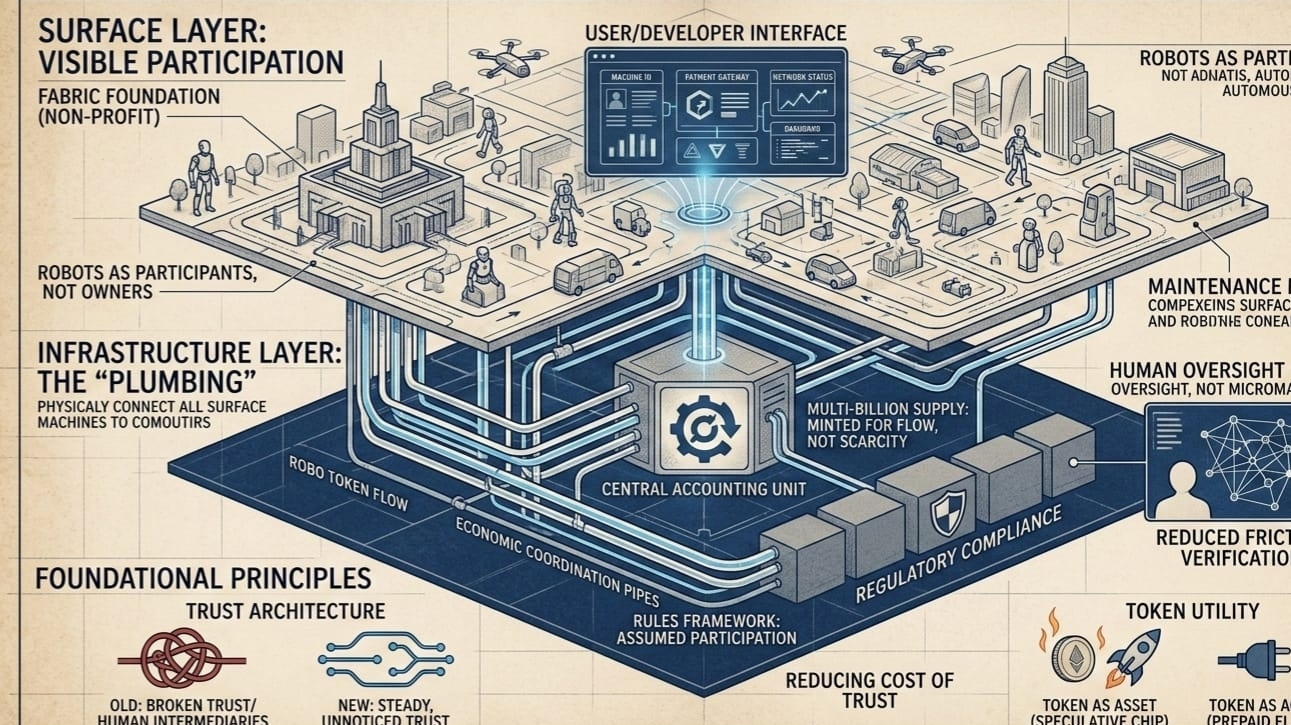
The more I reflected on it the more it felt like SIGN is trying to solve a deeper problem that most people ignore. We often talk about decentralization but we rarely talk about how trust actually works inside it. Without proper verification even decentralized systems can become messy and unreliable. SIGN feels like it is building that missing layer that allows systems to coordinate smoothly. It is not loud but it feels necessary.
I also found the ideas behind it genuinely thought provoking especially the way verification is separated from usage. This creates flexibility where credentials are not locked into one platform. It made me imagine a future where people truly own their digital identity and can use it anywhere without friction. There is also something powerful about programmable distribution where rewards are based on verified actions. It opens possibilities that feel both practical and transformative.
At the same time I cannot ignore the questions that come with it. Adoption is one of the biggest challenges because a system like this only works if many platforms agree to use it. I kept wondering how long it would take for such a shift to happen in an industry that moves fast but resists deep change. There is also the balance between privacy and transparency which is always difficult. These challenges feel real and they will shape how far SIGN can go.
When I step back and look at the bigger picture it feels like the digital world is moving toward deeper connections between systems. With the rise of AI and complex online ecosystems the need for reliable trust infrastructure is becoming more important. SIGN seems to position itself right at that intersection quietly building something that others can rely on. It does not try to dominate attention but instead focuses on being useful. That approach feels both smart and long term.
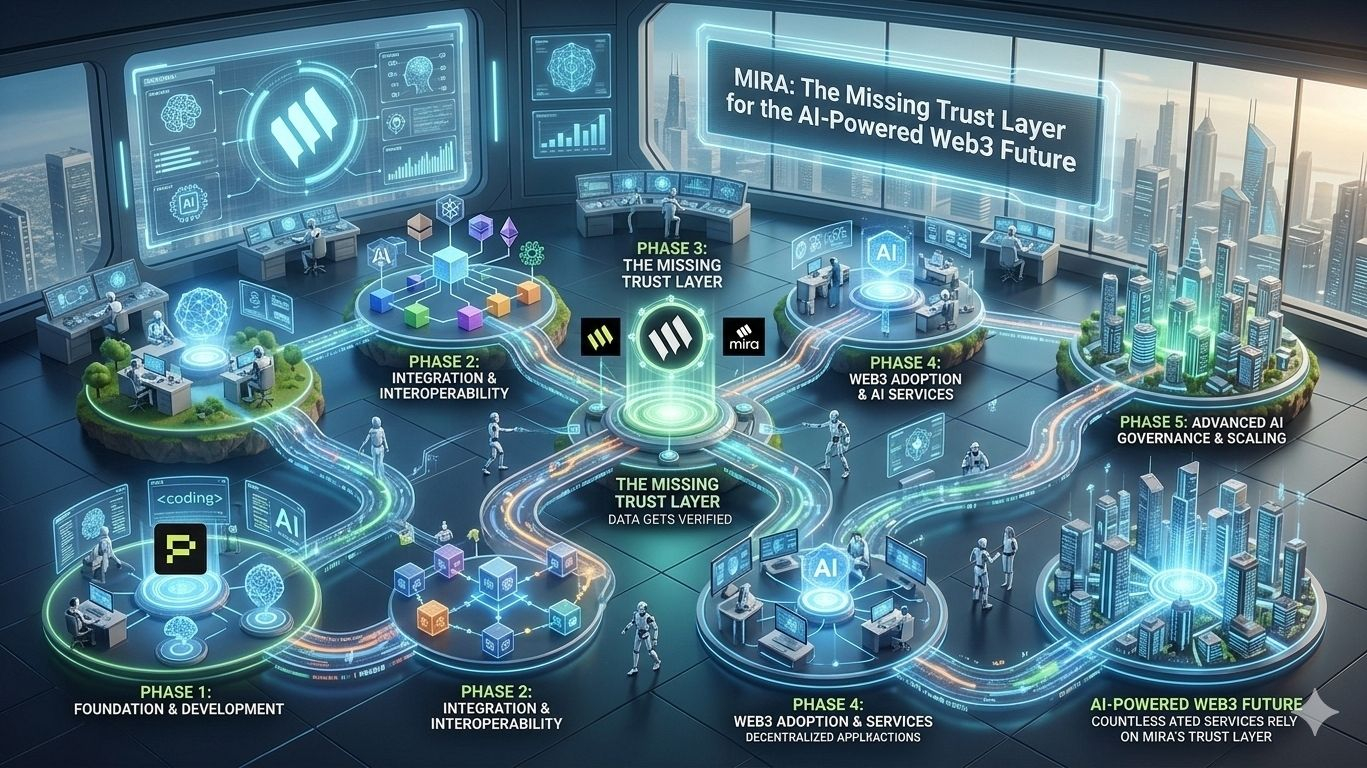
In the end I am left with a sense of curiosity that I cannot ignore. There is something powerful about the idea of proving something once and carrying that trust everywhere. If SIGN succeeds it might not become something people talk about daily but something they depend on without realizing. And maybe that is where real transformation happens not in noise but in quiet systems that change everything underneath.