


I’ve spent years watching blockchain projects struggle with the same problem: who really deserves value. Transactions are lightning-fast, but token distributions? They often miss the mark. Sometimes they’re too broad, scattering value without impact. Other times, they’re so narrow that fairness gets lost. And it’s never about intent—it’s about trustworthy verification.
That’s why @SignOfficial caught my attention.
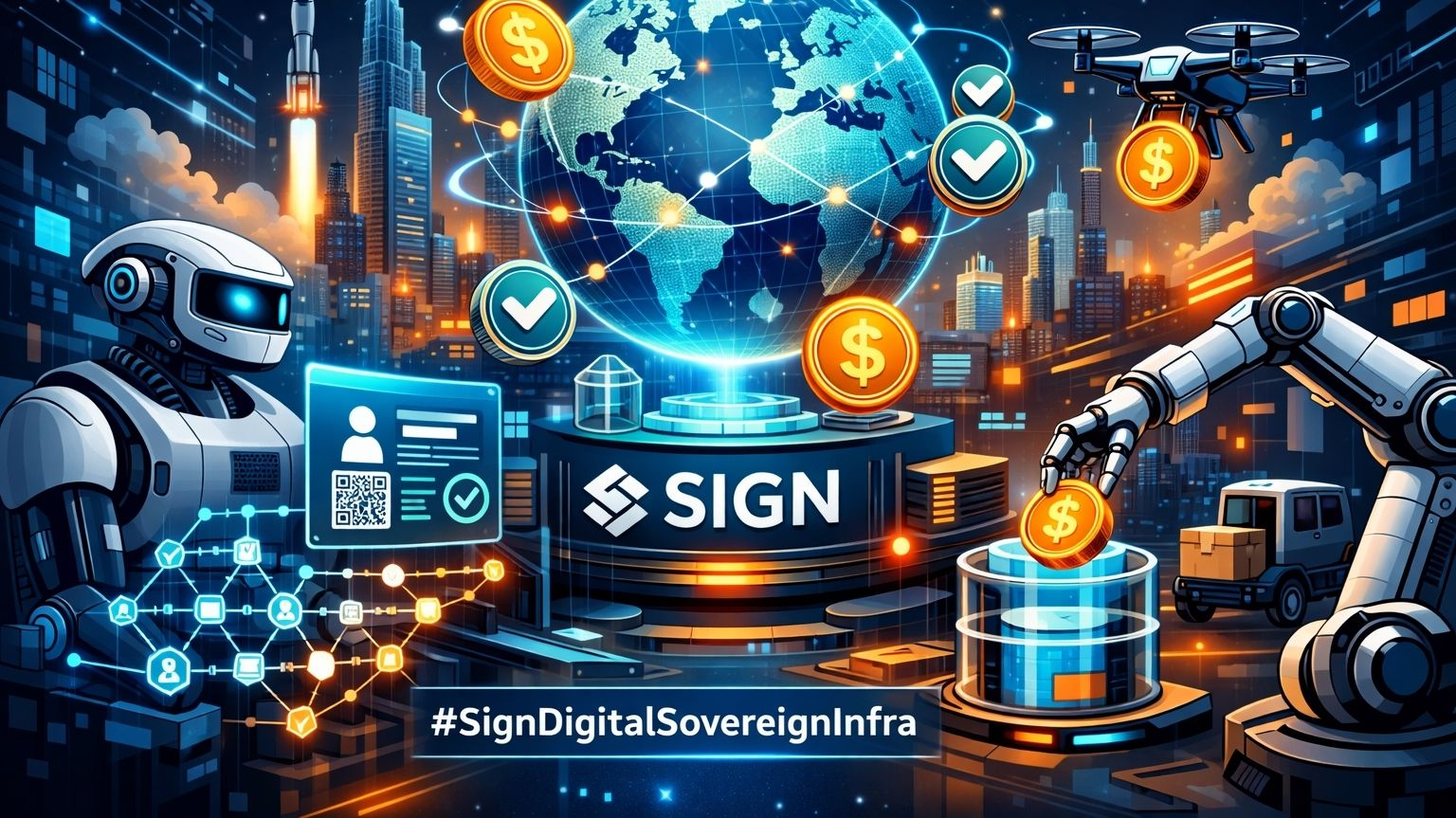
$SIGN isn’t just another token tool. It’s a system where credentials aren’t just handed out—they’re verified, portable, and reusable. Suddenly, token distribution isn’t a one-off event that fades into the ledger. It becomes a living, data-driven process, where every participant’s engagement is meaningful and traceable.
What excites me most is the analytical clarity this brings. By tying distributions to verified credentials, Sign cuts through the noise. It rewards genuine participation instead of letting exploitative behaviors slip through. It adds a layer of determinism that most current models completely lack.
I’ve seen firsthand how small tweaks in distribution strategy can transform ecosystems. With Sign, that transformation happens at the infrastructure level. DAOs can define eligibility with precision. Protocols can tailor incentives in ways that actually drive the behaviors they want. And users? Their verified reputations can follow them across platforms, creating a web of trust that was previously impossible.
The outcome feels almost obvious when you see it in action: value flows efficiently. In decentralized systems, efficiency isn’t just nice to have it’s the difference between stagnation and growth.
I’m genuinely excited to watch this unfold. $SIGN is laying the foundation for smarter, fairer, and more purposeful token economies.