Nobody in government technology circles wants to admit how messy benefit distribution really is. Paper trails. Manual audits. Delays that frustrate citizens. Everyone talks about digitization as a promise, but few address the infrastructure that makes it actually work.
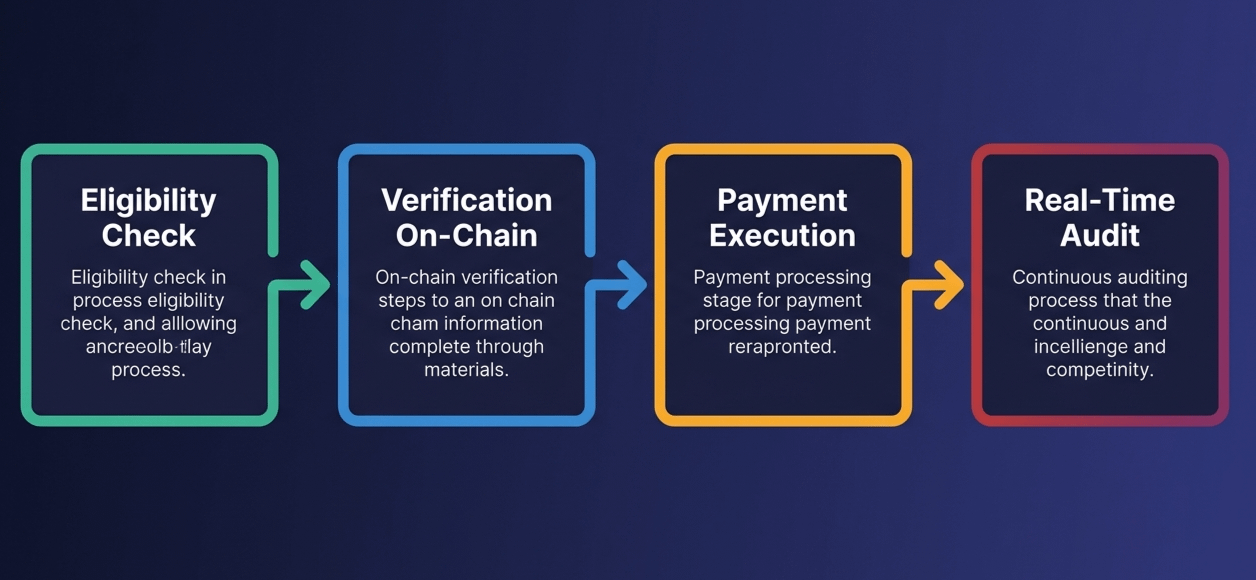
That is exactly why TokenTable caught my attention. By automating conditional payments, multi-asset distribution, and real-time auditing, it turns bureaucracy into something that actually functions. Millions of citizens can now receive subsidies, pensions, or social benefits without waiting weeks for approvals.
The boring reality nobody mentions: governments cannot scale social programs efficiently without programmable logic. TokenTable’s smart contracts handle eligibility, verification, and compliance automatically — while the public barely notices. No hype. No flashy announcements. Just results.
What keeps me watching is the next challenge: integration with legacy databases and cross-chain interoperability. These systems are not trivial to deploy. Errors can cascade. But the framework exists, tested in pilot programs, and it is already operational in several jurisdictions.
The broader implication: if governments can reliably distribute resources on-chain at scale, it changes the relationship between state and citizen. Transparency, accountability, and trust become tangible metrics. It is a rare instance where blockchain solves an actual problem, not a theoretical one.
How will the system handle tens of millions more beneficiaries? Will regulators adopt it uniformly? I am still observing whether the quiet infrastructure is enough to shift expectations for national-scale digital benefits.
What would your government need to make this work at scale in your country?
Tags: