


🤔 Honestly? I been sitting with @SignOfficial design again, and the more I look at it, the more it feels like it’s not just verifying data. it’s redefining how identity and ownership exist in digital systems 😂. Most people think verification just means “checking something,” but Sign turns it into a structured, repeatable process.
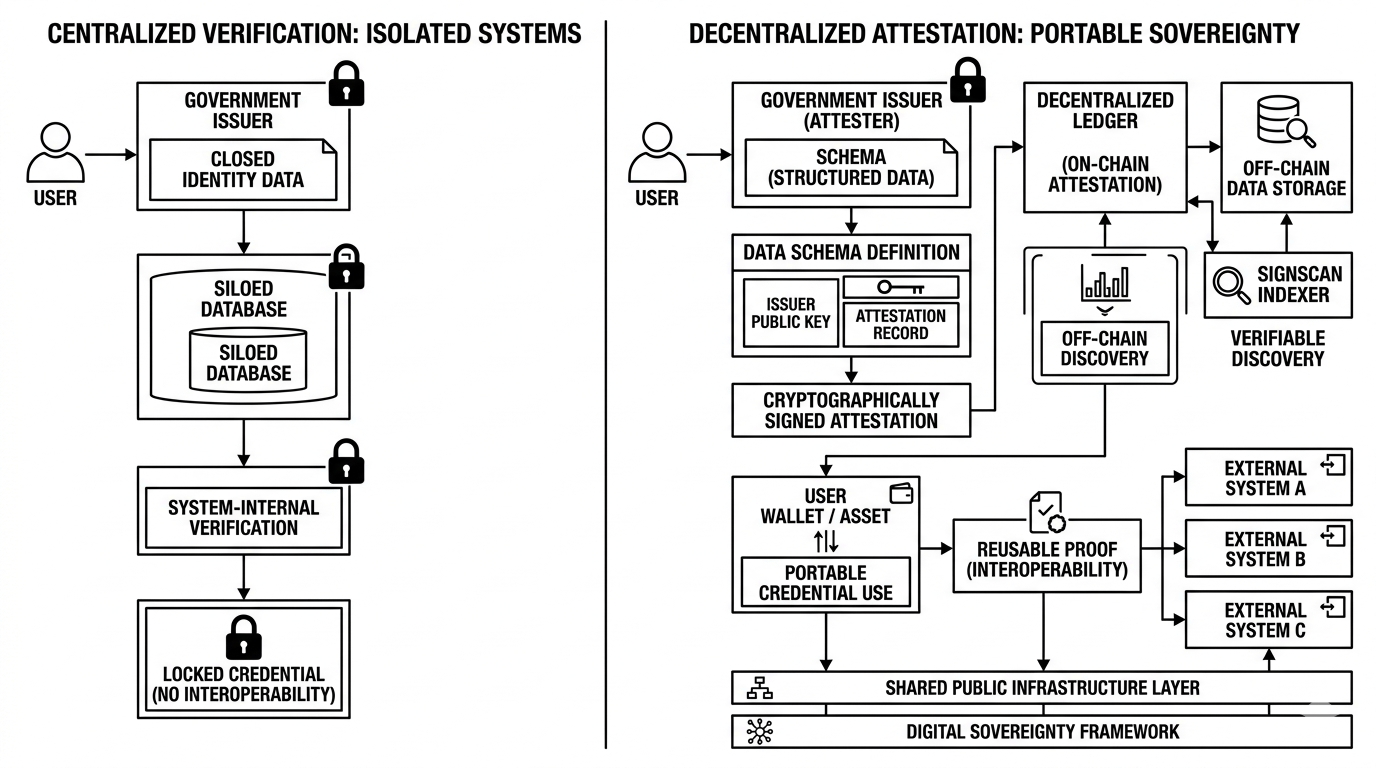
At the core, identity and ownership are expressed through attestations. These are signed records tied to schemas, which define exactly what kind of data is being proven. So instead of saying “this wallet owns this asset” or “this person is verified,” the system creates a cryptographic proof that can be reused across platforms. What stands out here is portability verification is no longer locked inside one system. It travels with the user or the asset.
That’s where the idea of digital governance starts to emerge. If governments can issue identity credentials, property records, or compliance approvals as attestations, they don’t need to rebuild trust every time. The protocol becomes a shared infrastructure layer. Ran through this and it honestly feels like a backend for public systems rather than a typical crypto product.
But what I kept coming back to is the trade offs. Sign’s architecture mixes on-chain and off-chain components, which is great for scalability and cost, but it introduces complexity. Data availability depends on multiple systems. Indexers like SignScan play a huge role in making data accessible, and that creates subtle centralization risks. The system is verifiable, but discovery still depends on infrastructure.
The tension here is between control and sovereignty. On one hand, Sign enables governments to maintain authority while using blockchain rails. On the other, it standardizes how that authority is expressed. If multiple nations adopt the same framework, you start to get a shared model of digital sovereignty interoperable, but also somewhat uniform.
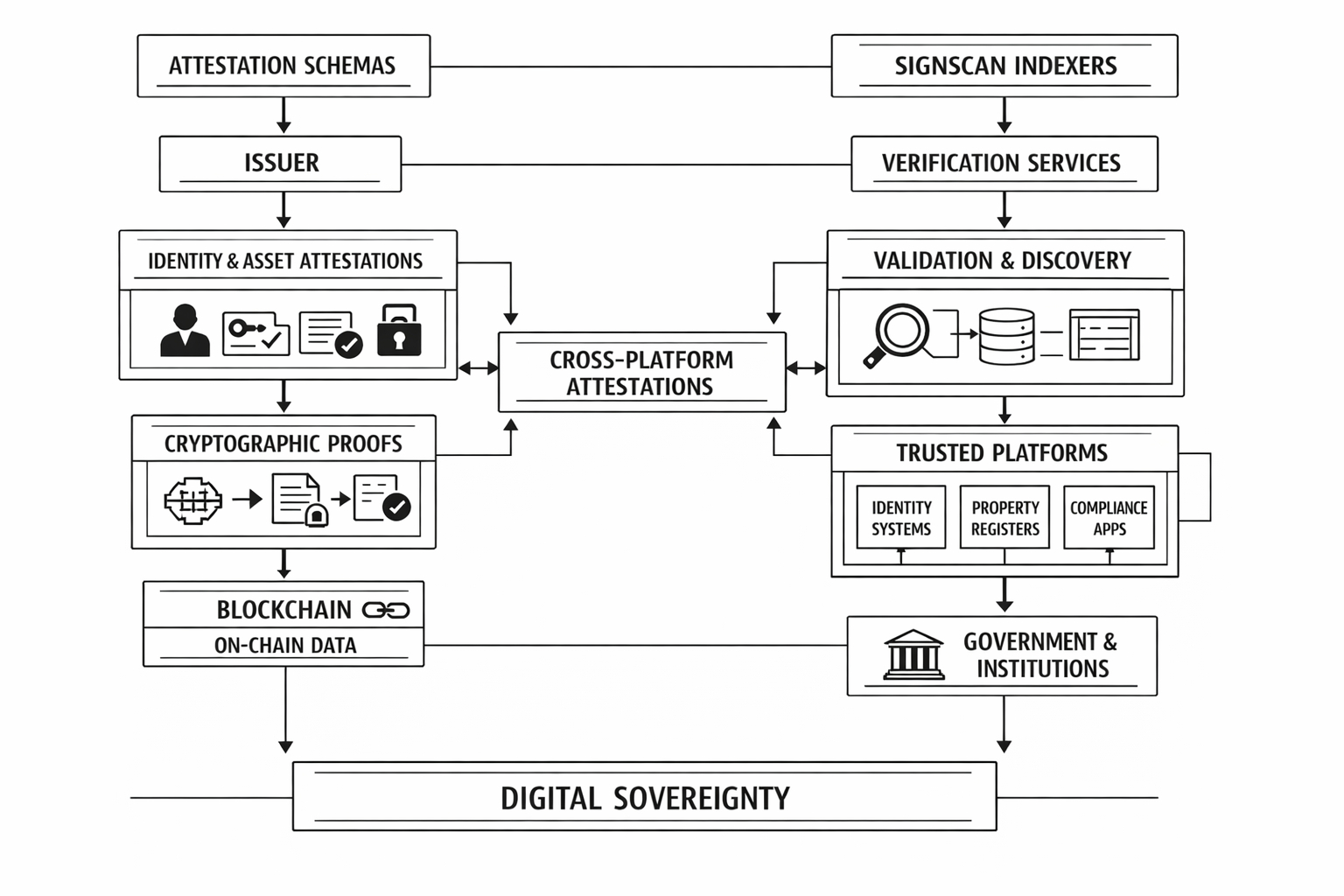
And that’s where things get interesting. Sign doesn’t just influence how systems verify truth. it influences how institutions define it.
So the real question is, if digital sovereignty runs on shared protocols like this, are nations gaining independence… or slowly aligning under a common infrastructure they don’t fully control?
@SignOfficial $SIGN #SignDigitalSovereignInfra
