
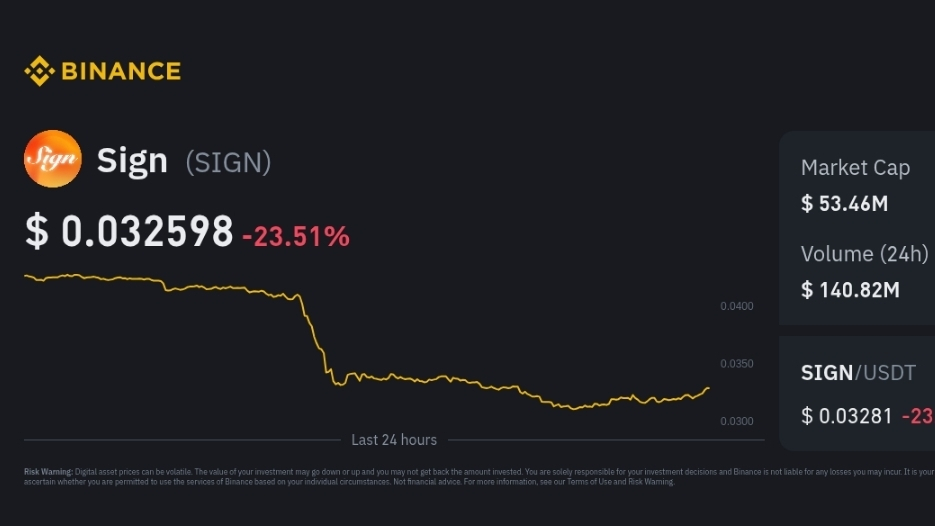


Most airdrops still ask the dumbest question in crypto: who owns the wallet?
The smarter question is: what can this wallet prove without doxxing the human behind it?
Last night I went through the Sign Protocol stuff again way too late, and that’s the part that kept sticking in my head. People keep reducing SIGN to a campaign ticker, but I’m starting to think the real unlock is much quieter: selective disclosure. If crypto wants real users, it can’t keep forcing people into the same lazy tradeoff every time — either reveal too much, or get excluded.
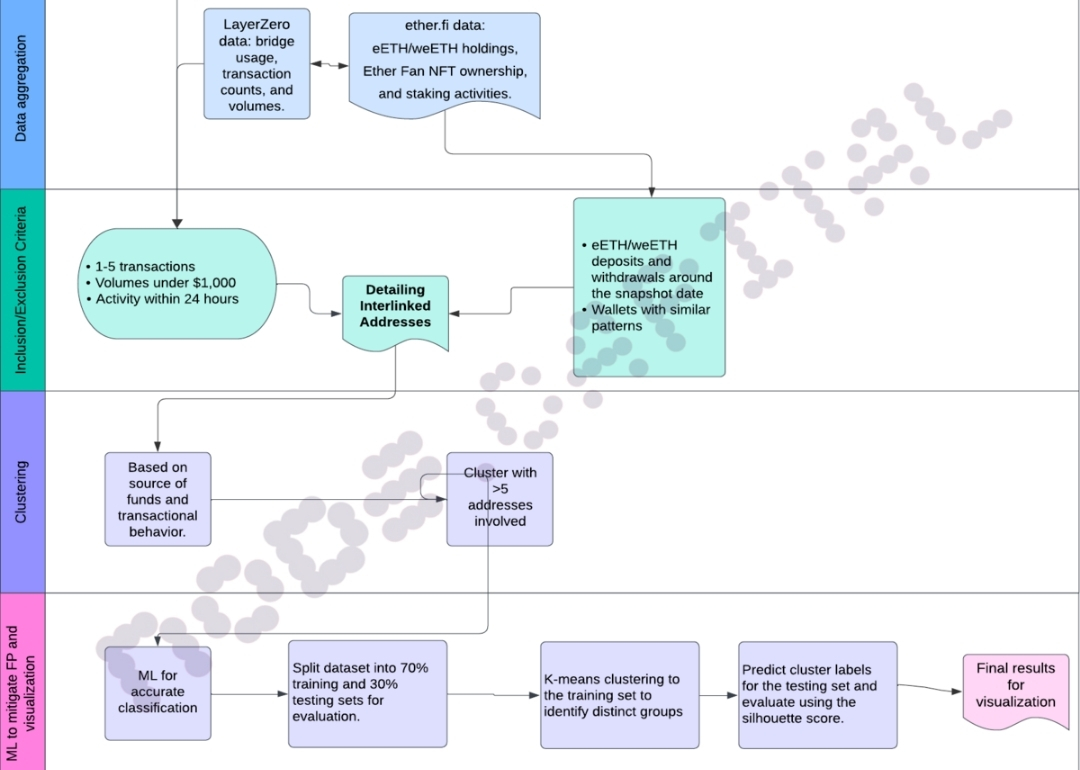
Selective disclosure in digital credentials is basically the ability to reveal only the claims you choose instead of handing over the full credential. And that maps cleanly onto why $SIGN feels relevant beyond pure narrative trading. Sign Protocol’s whole “proof as structured data” angle matters because machine-readable attestations only become useful at scale when the right people can verify the right facts without turning every interaction into a data leak.
That’s where I think public, private, and hybrid attestations stop sounding like jargon and start looking like actual product design:
Public attestations work when visibility itself is the signal — onchain reputation, contributor history, public credentials.
Private attestations matter when the fact should be provable but the raw data should not sit in public view — identity, compliance, internal permissions.
Hybrid attestations are probably the most underrated zone, because they let apps anchor trust publicly while keeping sensitive details controlled.
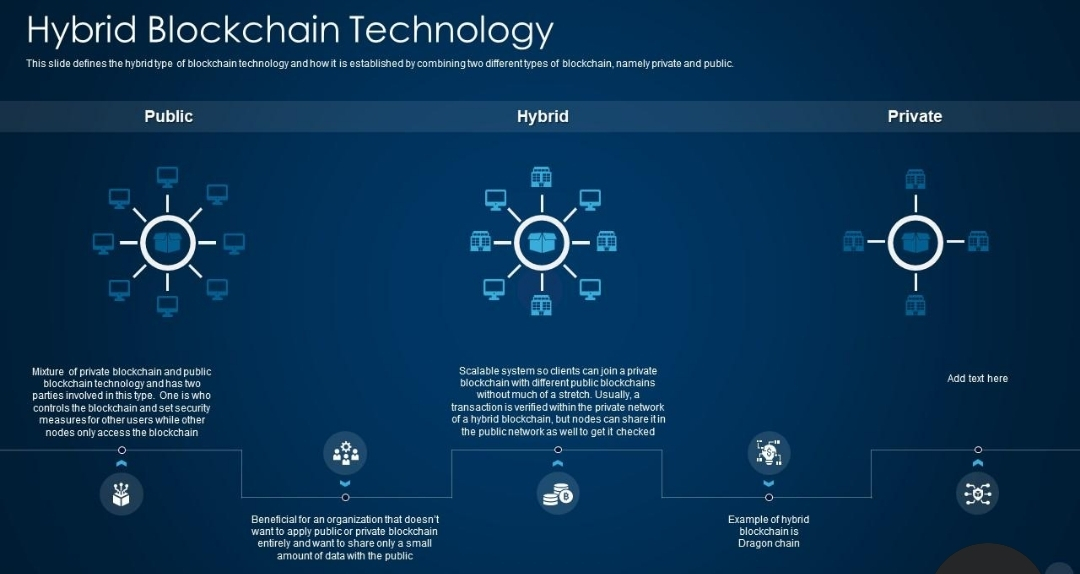
For airdrops, this is huge. A lot of distribution still runs on vibes, wallet heuristics, and then the usual complaints after the fact. With $SIGN, I can imagine a much cleaner flow: prove you met a schema, prove you’re eligible, prove you’re not duplicated, and move on. Not “show me your entire wallet life.” Just “show me the minimum truth needed for this decision.” That’s a way better fit for crypto than pretending transparency means oversharing.
Same thing with credentials and reputation. The next wave of Web3 adoption won’t come from everybody dumping more random data onchain. It’ll come from making facts programmable. A builder should be able to ask: did this person complete the task, receive the grant, sign the document, pass the requirement, or qualify for the distribution? If that answer can be verified in a machine-readable way, identity, payments, audits, grants, and capital movement all start becoming less messy and less gameable.
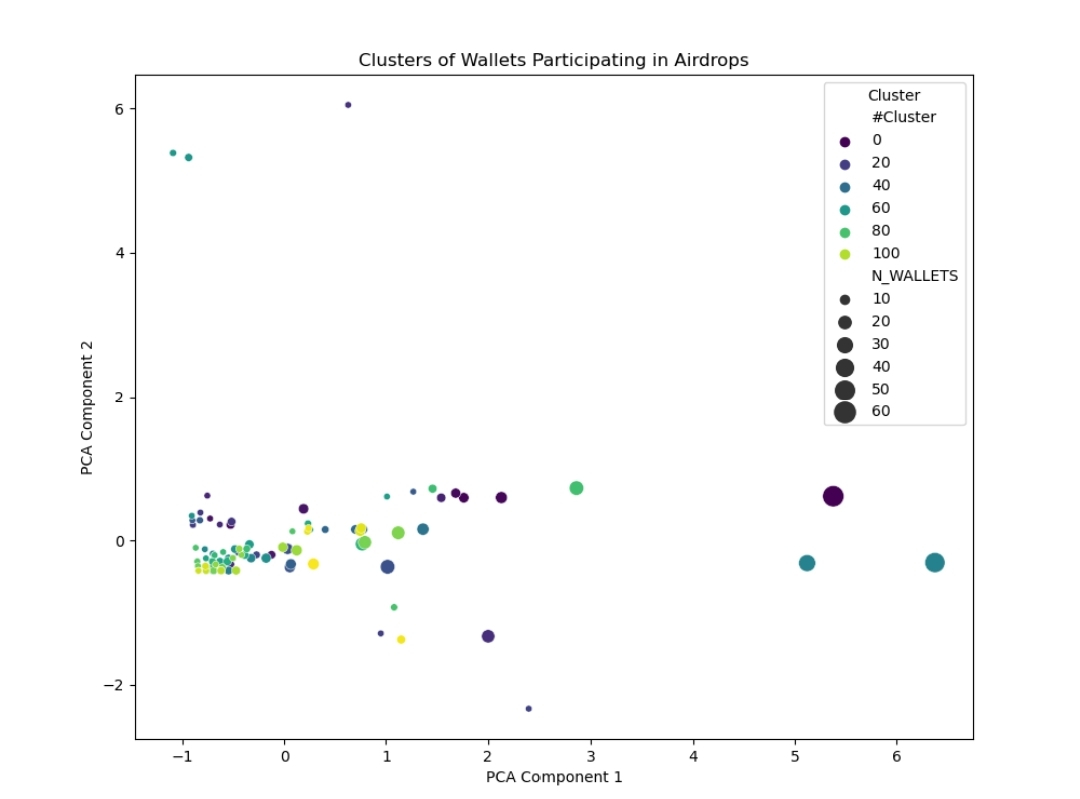
That’s also why I keep coming back to $SIGN even when the market is busy chasing louder stuff. When a protocol can sit underneath document signing, token distribution, and evidence-based verification flows, it starts looking less like a niche primitive and more like middleware for trust. Not the flashiest sector, sure. But fr, some of the best moats in crypto look boring right until everyone realizes they’ve been using them the whole time.
My most bullish take? SIGN gets interesting if crypto finally admits that evidence has to be portable, structured, and minimally disclosed.
My most skeptical take? Good infra still needs good schemas, good issuers, and good app-level judgment — bad inputs can still create bad outcomes.
One line I keep coming back to: crypto doesn’t scale when everyone knows everything; it scales when everyone can verify enough.
Binance’s current CreatorPad SIGN campaign is built around a 1,968,000 SIGN reward pool, and Binance says the leaderboard displays with a T+2 delay while campaign posts must stay published for at least 60 days after the activity ends — which honestly fits this whole thesis: durable infrastructure narratives should age better than same-day hype anyway.
So here’s my real question: if SIGN really works at scale, what gets cleaned up first — Sybil-heavy airdrops, portable credentials, or auditable capital distribution?