

Lets discuss here’s the thing. While everyone else is busy chasing whatever’s trending this week memecoins, hype cycles, the next “100x” Sign is doing something way less flashy… and way more important.
They’re not fighting for attention on trading charts.
They’re trying to plug into the actual systems countries run on.
And yeah, that’s a completely different game.
I’ll be honest, I didn’t get it at first.
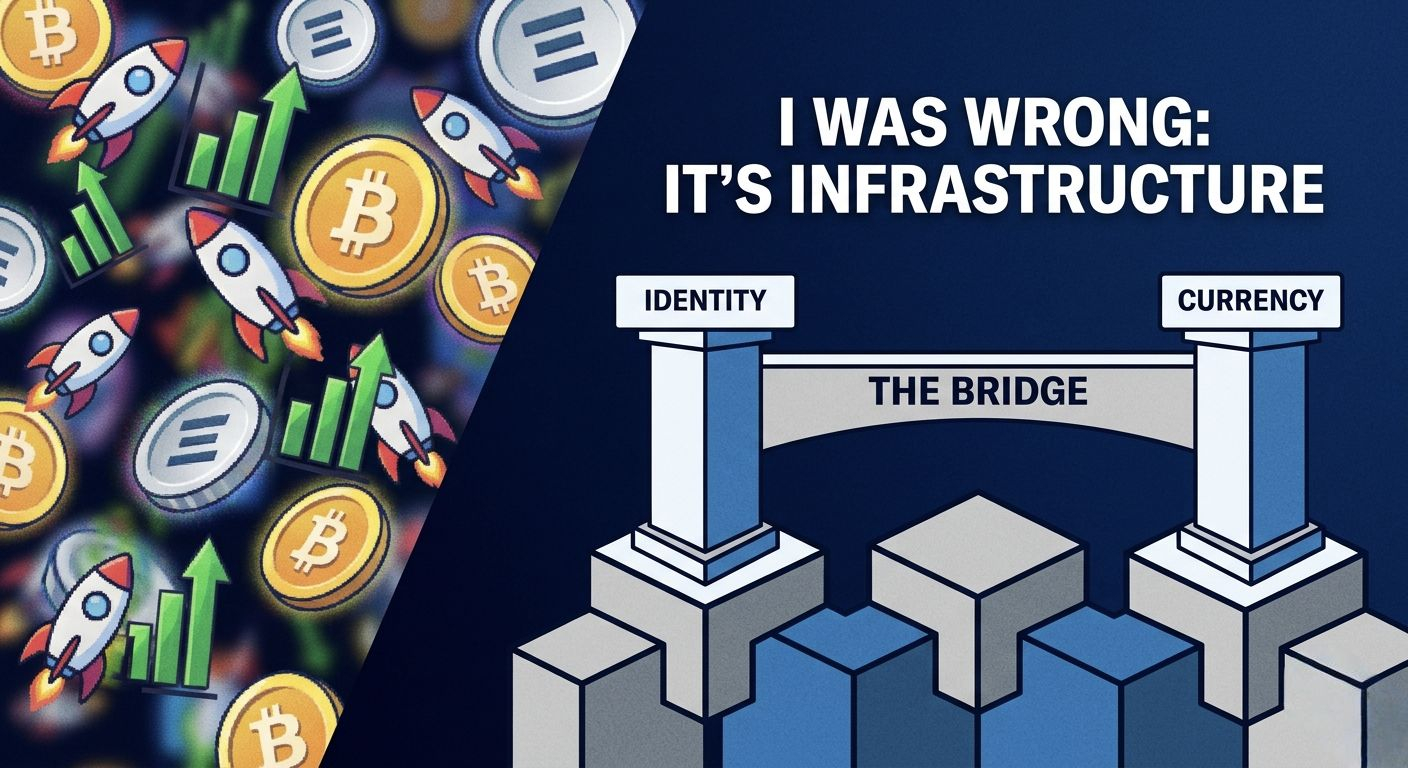
Sign just looked like another DocuSign-on-blockchain idea. You’ve seen those. Upload a file, hash it, store it somewhere “immutable,” call it a day. Cool, I guess. Not exactly groundbreaking.
But then I dug a bit deeper.
And that’s where it gets interesting.
This isn’t really about documents. That part’s almost a distraction. What they’re actually building is infrastructure. The kind governments might actually use. Not experiments. Not sandbox projects. Real systems people depend on.
Think about it like this.
Governments get their own controlled environment a private digital vault. Secure. Locked down. Built for things you don’t want floating around publicly, like identity data or national currency systems.
But and this is the key that vault doesn’t sit isolated.
It connects to a public financial layer where value can move, trade, and interact globally.
That bridge? That’s the whole point.
Because right now, governments are stuck. Completely stuck.
On one side, you’ve got legacy systems. Paperwork. Delays. Databases that don’t talk to each other. You know the drill.
On the other side, you’ve got crypto. Fast, open, global… but also kind of chaotic. And governments hate not being in control.
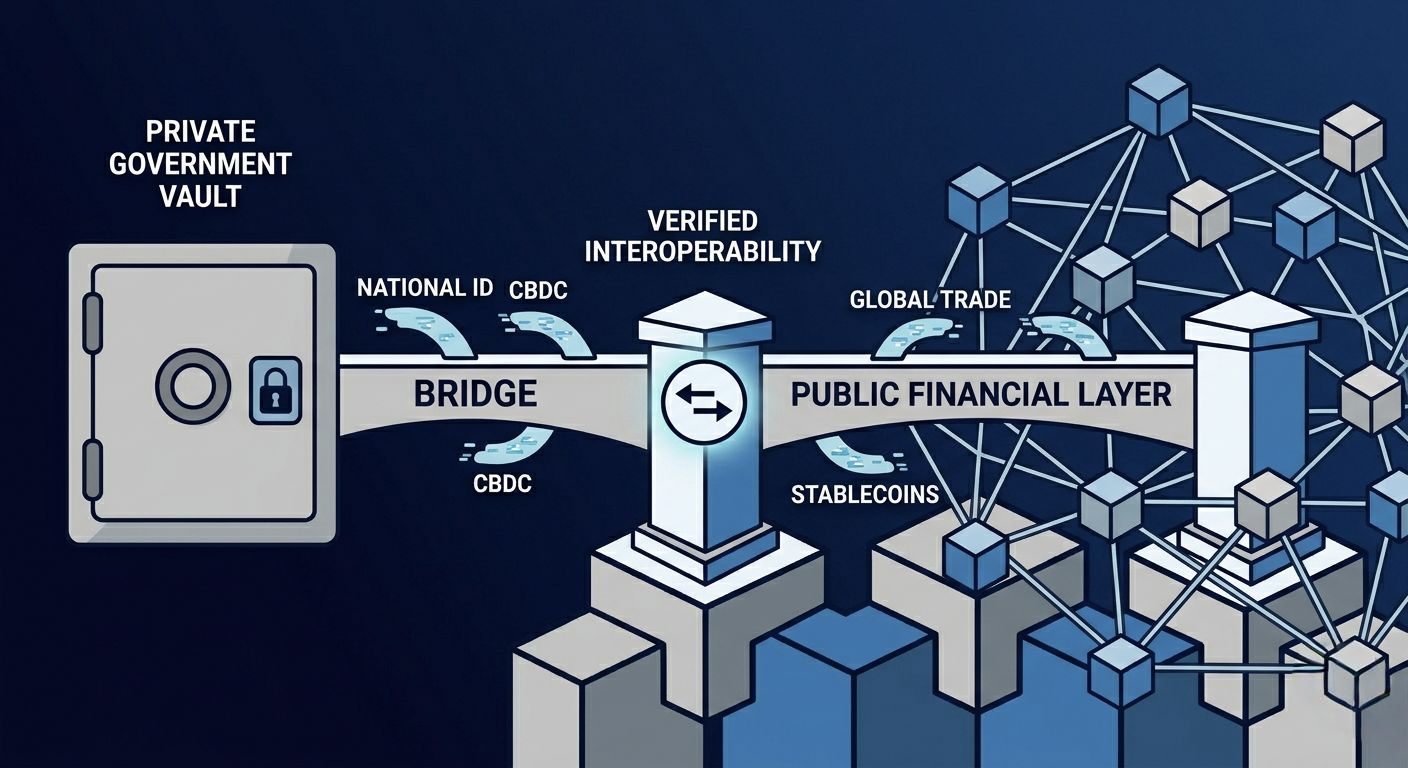
So what Sign is doing is stepping right in the middle.
And honestly, that’s a hard place to operate.
Strip everything down, and they’re focusing on two things that actually matter:
Identity. And money.
That’s it.
First digital identity.
Not the usual “upload your passport and pray it doesn’t leak” type of system. I’m talking about something reusable. Verifiable. Something a country can issue and people can actually use across services without repeating the same process ten times.
Less paperwork. Less fraud. Faster everything.
Sounds obvious, right?
But governments still struggle with this.
Second digital currency.
Yeah, CBDCs. Digital versions of national currencies. You’ve heard the term.
But here’s where it gets interesting again.
These aren’t designed to sit in a closed loop. Sign is building them so they can connect with stablecoins and broader crypto networks. That means money doesn’t just exist it moves. Faster. Cheaper. Across borders.
And that’s where things start to shift.
Now, this would all sound like another whitepaper fantasy… if it weren’t already happening.
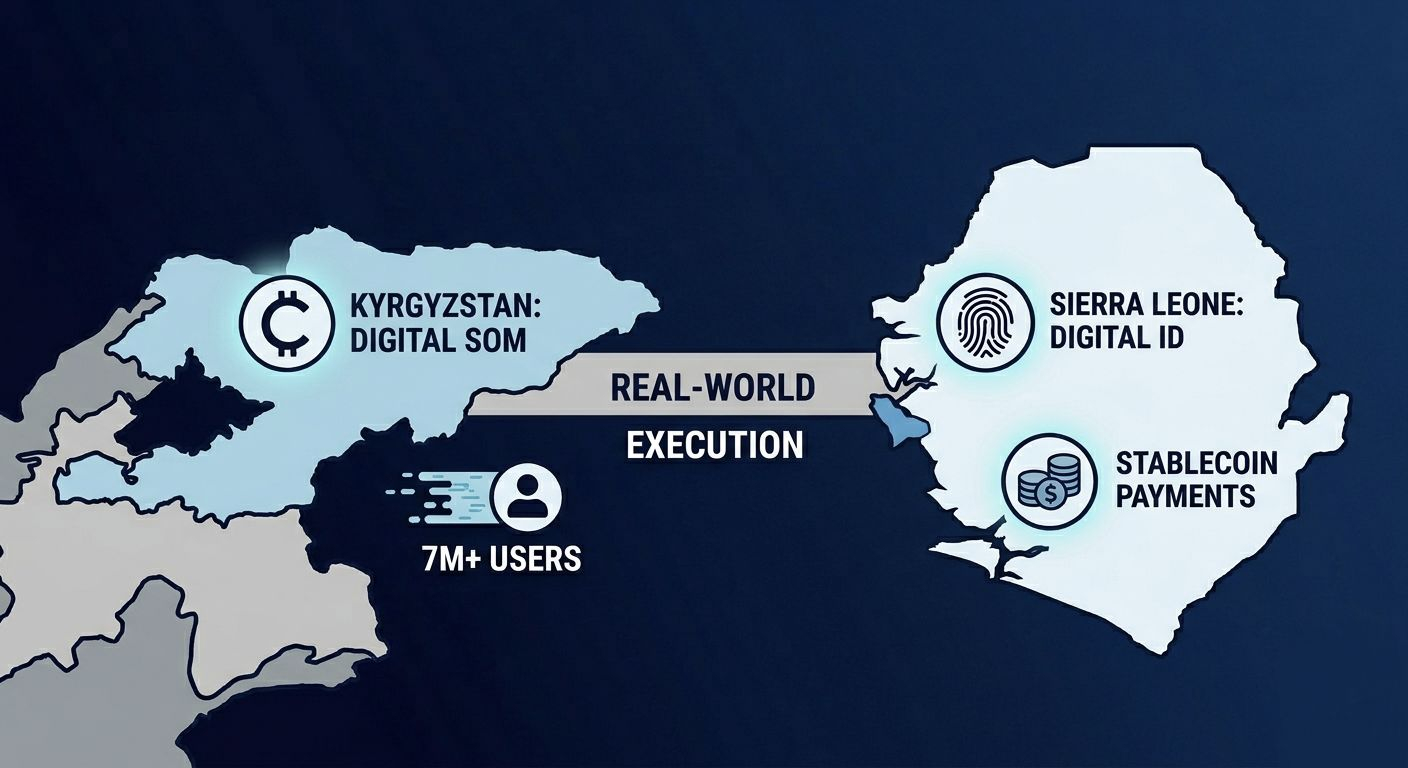
In October 2025, Sign partnered with the National Bank of Kyrgyzstan to build the Digital Som. That’s a central bank digital currency aimed at serving over 7 million people.
Not a test. Not a demo.
Real financial flows.
Then, a few weeks later, they teamed up with Sierra Leone. This time, for a national digital ID system plus a stablecoin-based payment setup.
Again real users. Real deployment.
That’s the part people don’t talk about enough.
Execution.
Under the hood, they’ve built a full stack to support all this.
Sign Protocol handles identity.
TokenTable handles large-scale distribution think paying thousands of people at once.
And then there’s their hybrid network, balancing control (which governments want) with transparency (which blockchains are built for).
You don’t need to obsess over the tech to get the picture.
They’re building tools that can verify identity without paperwork, move money without delays, and distribute funds at scale without breaking everything.
Simple idea. Hard execution.
They’ve also got momentum behind them.
Token launched in 2025.
Over $25 million raised.
Community growth that hit hundreds of thousands pretty fast.
That’s not just noise. That’s fuel.
Still…
Let’s not pretend this is risk-free.
Government deals move slow. Painfully slow. Politics can flip everything overnight. One leadership change and priorities shift. I’ve seen that happen way too many times.
And scaling this across multiple countries? That’s a nightmare waiting to happen.
So yeah, I’m cautious.
But I’m also paying attention.
Because while everyone else is busy chasing the next shiny thing, Sign is quietly positioning itself where actual usage lives.
Not in speculation.
In infrastructure.
And that’s a very different bet.
#SignDigitalSovereignInfra @SignOfficial $SIGN
