
The world's most critical oil chokepoint is now a military flashpoint — and markets are already feeling it.
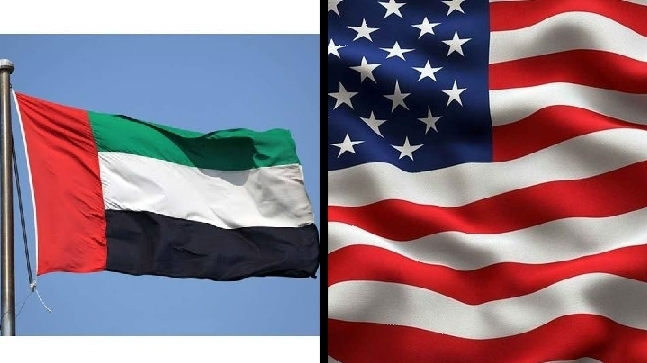
The United Arab Emirates is reportedly preparing to join the United States and allied forces in a military push to reopen the Strait of Hormuz — the narrow waterway through which roughly 20% of the world's oil supply flows daily.
The move marks a sharp escalation from diplomacy to direct military action, as the international coalition loses patience with ongoing disruptions to global energy flows.
Markets didn't wait for confirmation. Brent crude has surged past $103 per barrel as traders price in supply disruption, tanker risks, and the possibility of a prolonged regional conflict.
🔑 Why This Changes Everything
The Strait of Hormuz is the single most important oil chokepoint on the planet — 21 million barrels pass through it every day. Even a partial closure triggers insurance pullouts, shipping chaos, and energy price shocks felt worldwide.
The UAE's involvement adds serious weight to this coalition. As a Gulf state and major producer itself, Abu Dhabi joining a Western-led operation gives it regional legitimacy — and puts Iran directly in the crosshairs.
If tensions escalate further, analysts are already warning of $120–$150 oil scenarios and a return of the 2022-style energy crisis.
🎯 What To Watch
Iran's next move — military retaliation or proxy escalation?
Oil prices — $110 is the next key level
Crypto — geopolitical shocks historically trigger short-term BTC sell-offs before a flight-to-safety narrative kicks in
When the world's most important oil artery is threatened, nothing moves in isolation — not oil, not equities, not crypto. Stay locked in.