Last year I stared at a 404 error page for about ten minutes before it really sank in. I had earned a professional certification through an online platform and I needed to show proof of it for a new job. The platform had been restructured. The domain had changed. My credential page was gone. All I had left was a blurry PDF screenshot buried somewhere on an old laptop. That was my entire proof of something I had spent months working toward. It felt absurd. It also felt like a warning I should have seen coming.
That experience sat with me for a long time. Not because it was dramatic but because it was so ordinary. Nobody around me was surprised when I told them. A friend who freelances told me she had been through something similar three times already. She had earned micro-credentials across different platforms and every time she applied for contract work she had to scramble to verify things that should have been easy to confirm. A developer I know had earned tokens through a community rewards program but when he moved to a different protocol there was no clean way to carry that history with him. These are not catastrophic events. They are just the slow grinding friction of a digital world that was never built for portability.
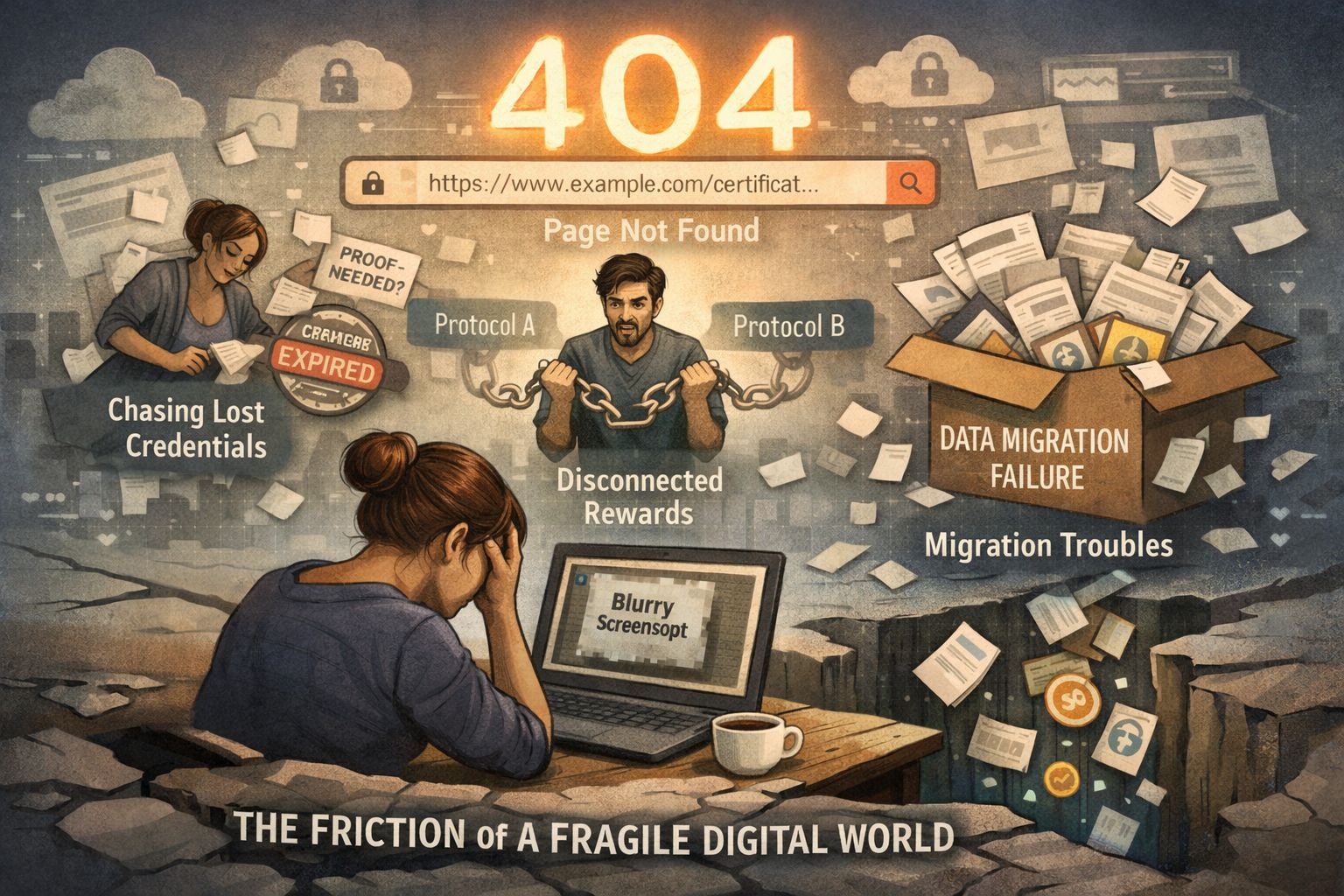
I started paying closer attention to this problem and I realized how deep it actually goes. We have built enormous systems where credentials and contributions and tokens all live in disconnected silos. Every platform issues its own proof in its own format stored on its own servers. None of them communicate with each other in any meaningful way. We just keep layering new tools on top of a foundation that was never designed to let people carry their identity and achievements from one place to another.
That is the context in which I first heard about SIGN. I did not discover it through a whitepaper or a viral post. I came across it through a conversation with someone who was building a credentialing tool for a decentralized community. She was frustrated because every solution she tried for verifying member contributions and distributing tokens was either too centralized or too fragile. She mentioned SIGN as the infrastructure layer she had started building on and the way she described it stuck with me. She did not say it was going to change the world. She said it just worked for what she needed. That kind of honesty made me want to understand it better.
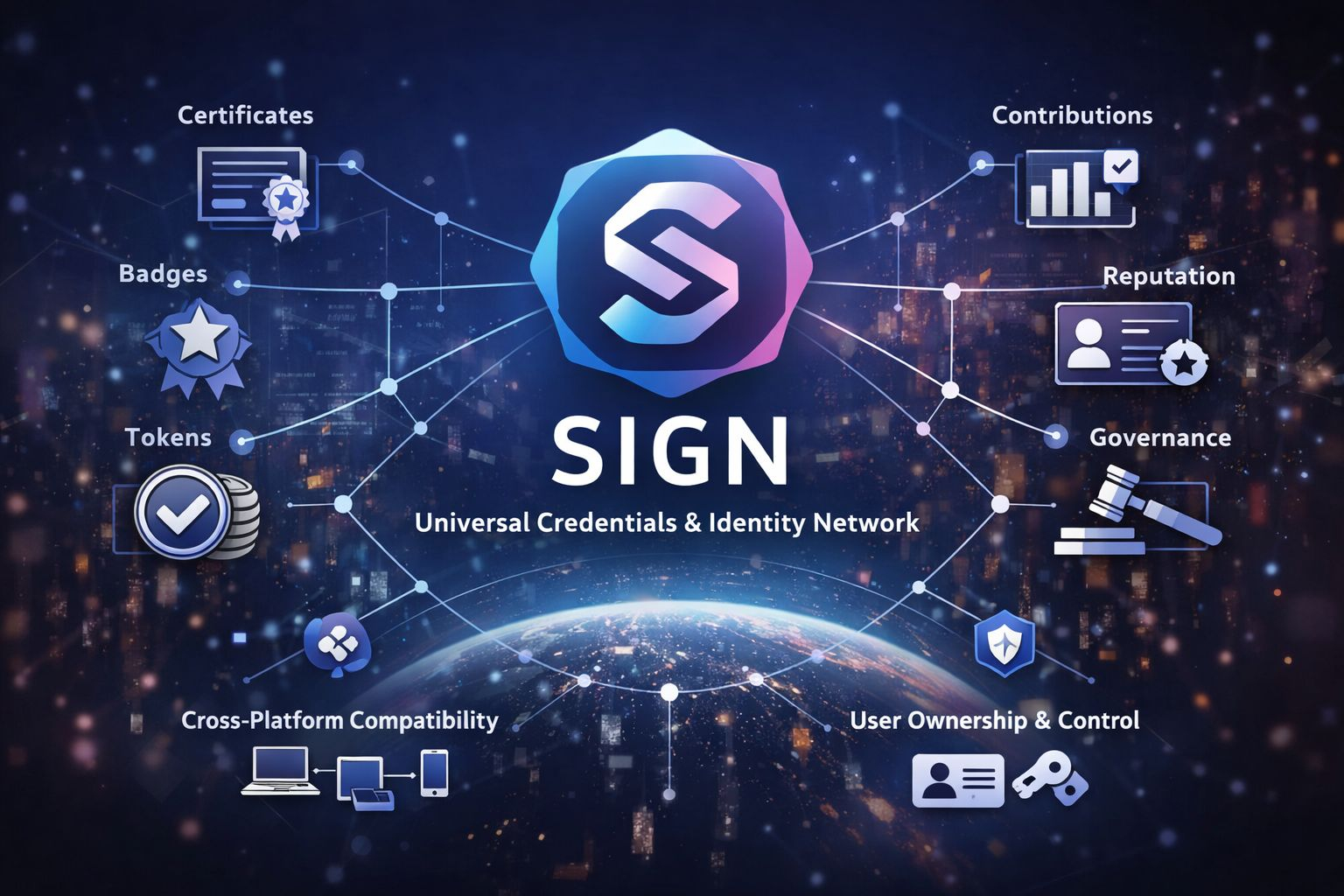
What SIGN provides at its core is a global infrastructure for credential verification and token distribution. I know that sounds dry and honestly it probably should. Infrastructure is not supposed to be thrilling. It is supposed to be dependable. The idea is that credentials representing a completed course or a community contribution or a verified skill can be issued and stored and verified through a system that does not depend on any single platform staying alive or maintaining its API. If that original certification platform I used had issued my credential through something like SIGN it would not have mattered that they changed their domain or restructured their business. My proof would have still been there.
The token distribution piece connects to this naturally. If you can verify who someone is and what they have actually done then you can distribute tokens based on that verified context. Not just based on a wallet address floating in the void but on real demonstrated credentials and participation. That matters because so many token distribution efforts right now are plagued by gaming and hollow engagement and sybil attacks. Having a credential verification layer underneath does not eliminate those problems entirely but it reduces them in a meaningful way. I would be skeptical of anyone who claimed any system could wipe out those issues completely.
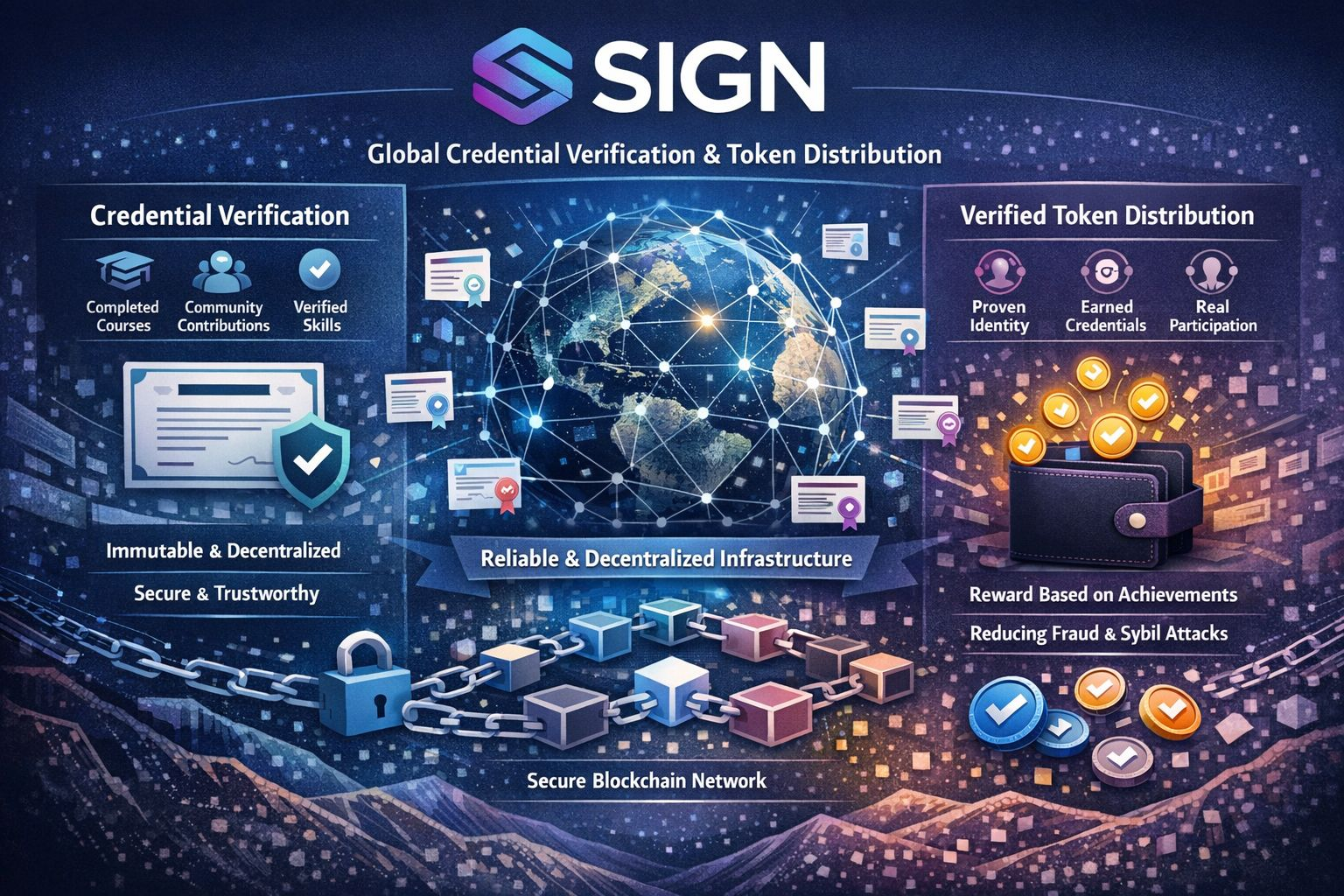
It took me a while to understand why this needed to exist as its own layer. My first instinct was that existing identity platforms or token tools could simply add credential verification as a feature. Some have tried. But there is a real difference between a feature bolted onto a product and infrastructure designed from the ground up to serve this specific purpose across many products. It is like the difference between every website building its own login system from scratch versus a shared standard emerging that everyone can build on top of. SIGN is not trying to be the app you open every day. It is trying to be the layer underneath the apps. The part you never think about because it just quietly does its job.
I have seen a few early implementations and what stands out is how unremarkable the experience feels in the best possible way. You verify a credential and it checks out and tokens move where they are supposed to go. There is no flashy moment. There is no dramatic reveal. It is smooth in a way that only becomes notable when you remember how messy the alternatives were. I think that is actually the highest compliment you can pay to infrastructure. You do not celebrate it. You just notice when it is missing.
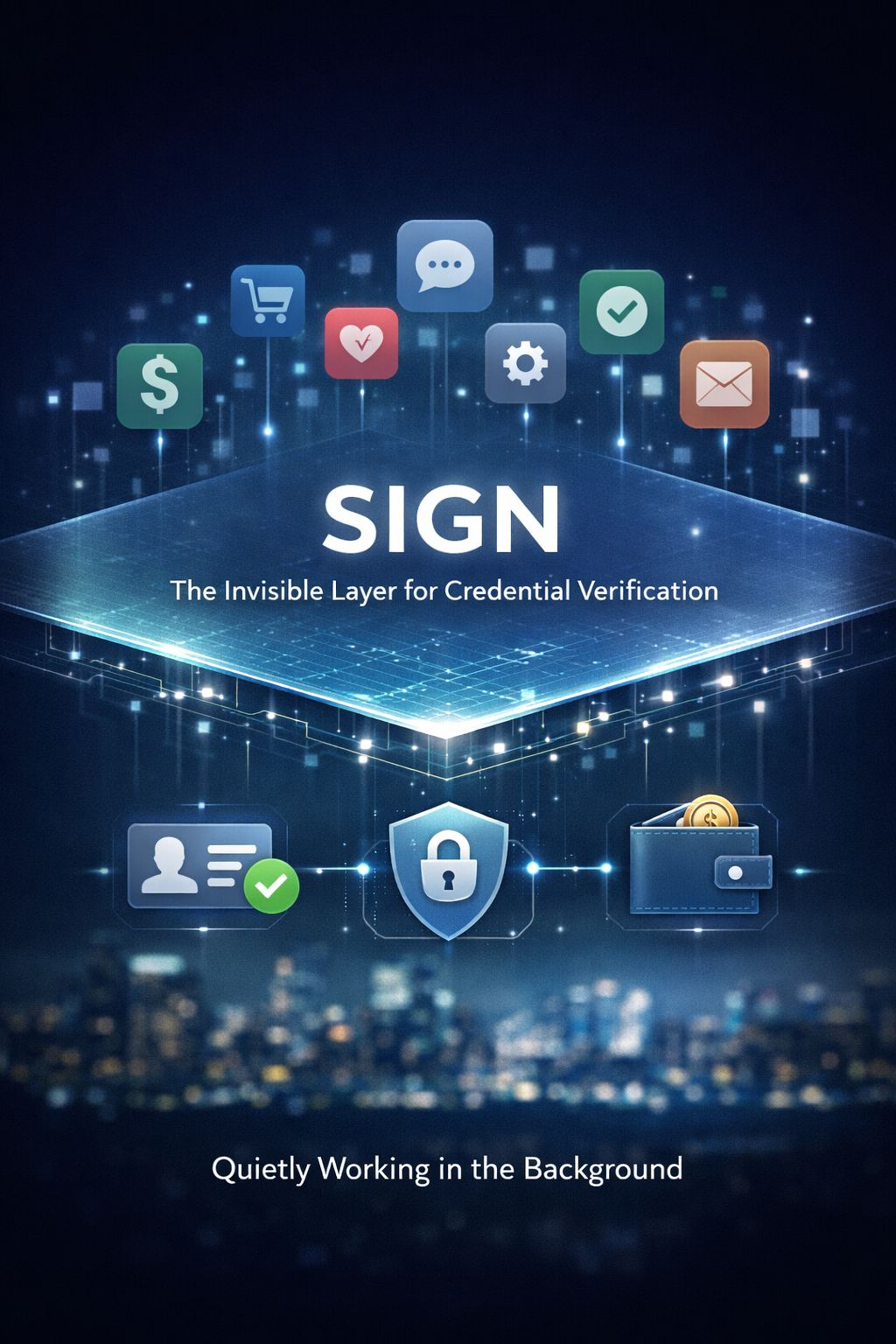
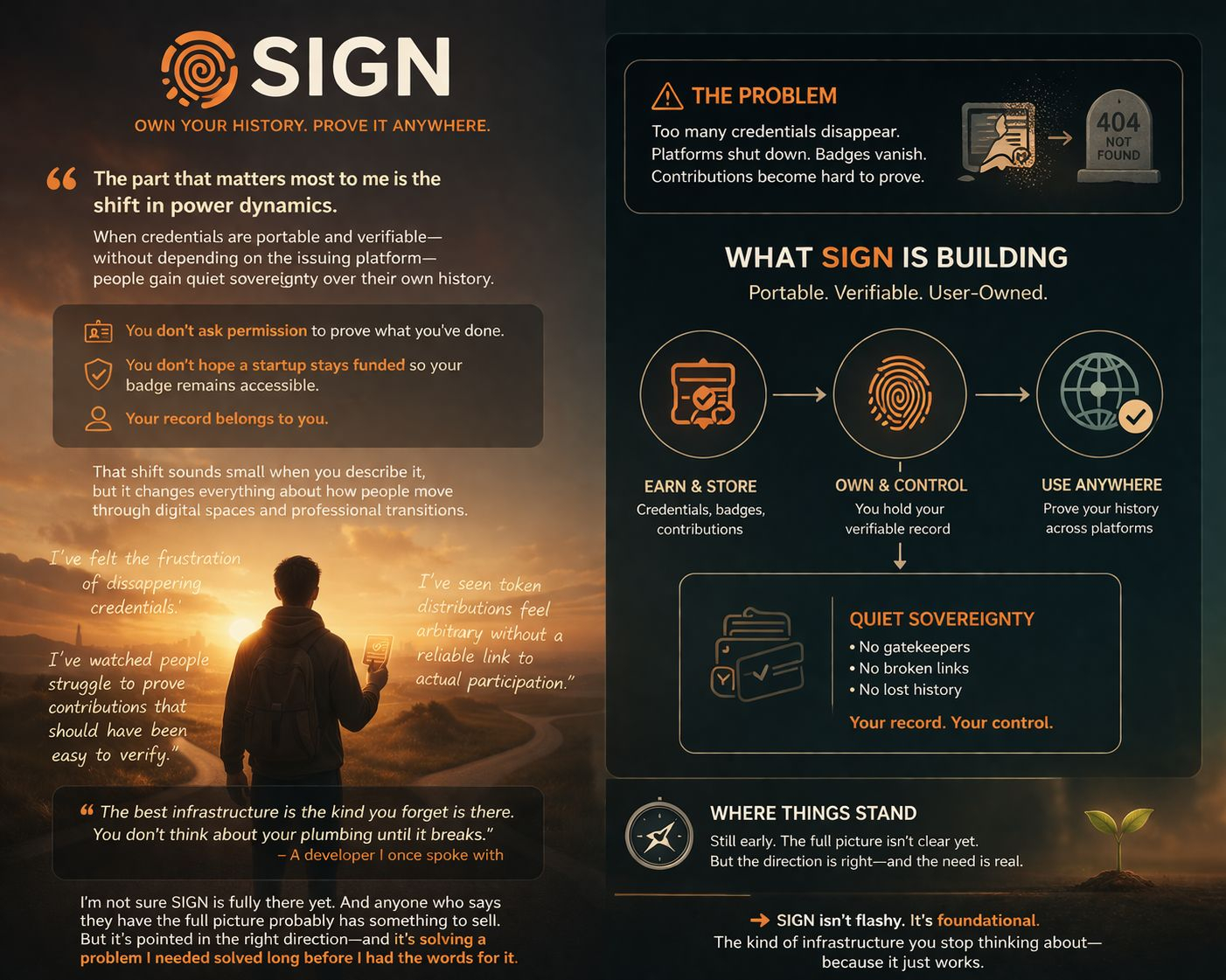
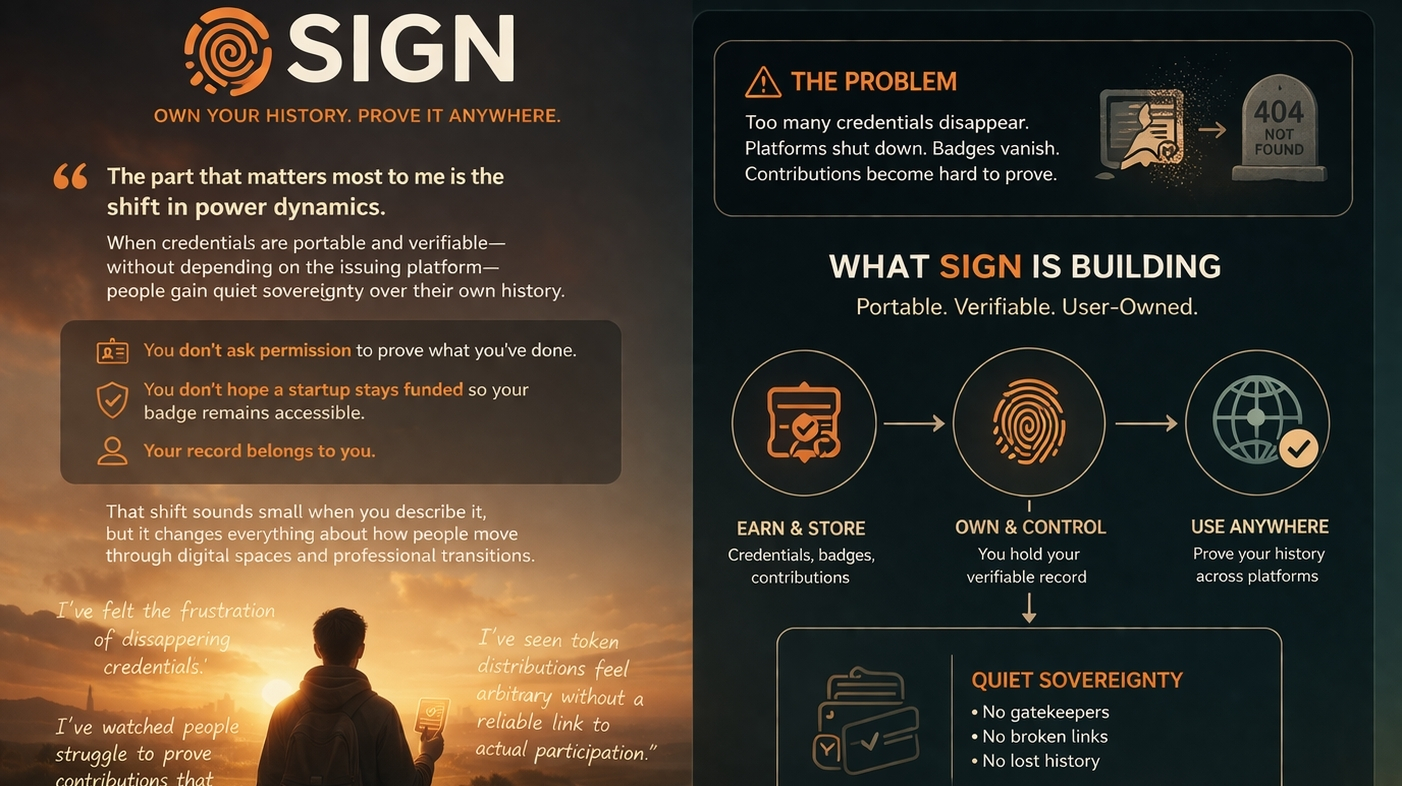
The part that matters most to me on a personal level is the shift in power dynamics. When credentials are portable and verifiable without depending on the issuing platform continuing to exist then people gain a kind of quiet sovereignty over their own history. You are not asking permission to prove what you have done. You are not hoping that a startup stays funded long enough for your badge to remain accessible. Your record belongs to you. That shift sounds small when you describe it but it changes everything about how people move through digital spaces and professional transitions.
I do not want to overstate where things stand right now. I am not sure the full picture is clear yet and I think anyone who says they have it all figured out is probably selling something. But the problem SIGN is addressing is one I have lived with personally. I have felt the frustration of disappearing credentials. I have watched people struggle to prove contributions that should have been easy to verify. I have seen token distributions that felt arbitrary because there was no reliable way to connect them to actual participation.
A developer once told me that the best infrastructure is the kind you forget is there. You do not think about your plumbing until it breaks. I keep coming back to that idea when I think about SIGN. It is not the kind of thing that makes you jump out of your chair with excitement. It is the kind of thing that quietly removes a problem so thoroughly that you eventually stop remembering the problem existed in the first place. I am not sure it is fully there yet. But it is pointed in the right direction and it is solving something I needed solved long before I had the words to describe it.