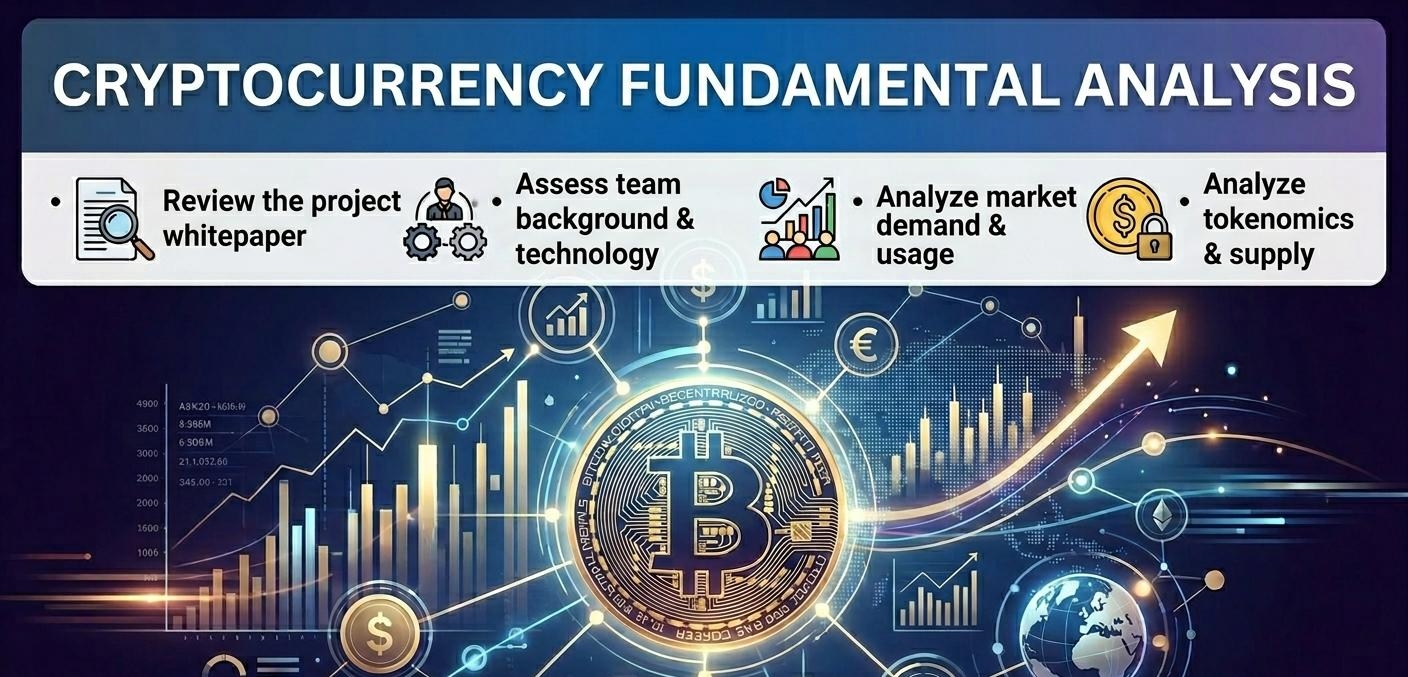
$SIGN (@SignOfficial ) is a blockchain‑based project focused on building infrastructure for digital identity verification, credential attestations, and token distribution in the Web3 ecosystem. It isn’t just another “payment token” — its vision is to power systems that can be used by governments, organizations, and decentralized apps (dApps) for trust and verification across chains.
At its core, Sign aims to solve a real problem:
blockchain networks often lack a standard way to verify identities or credentials across different systems. Sign tries to fill that gap with tools that work on multiple blockchains.
🛠️ Core Technology & Products
The Sign ecosystem revolves around two main pillars:
📍 1. Sign Protocol
Acts as an omni‑chain attestation system — meaning it can verify credentials on different blockchains.
Can be used for decentralized identity, credential proofing, government IDs, or verifying important documents.
Think of Sign Protocol as a blockchain‑friendly digital notary system, but without central authorities.
📍 2. TokenTable
A smart contract‑based engine for token distribution — including airdrops, vesting, and unlock schedules.
Helps projects distribute tokens transparently and securely using on‑chain logic.
Together, these two products aim to support real‑world infrastructure and give developers and institutions tools for secure, verifiable Web3 services.
🪙Tokenomics & Role of SIGN Token
The SIGN token is the native utility token powering the ecosystem. Its key roles include:
✔️ Paying for services in the protocol
✔ Incentivizing participation and growth
✔ Governance — holders can vote on changes and future upgrades
✔ Cross‑chain utility since it’s deployed on multiple networks like Ethereum, Binance Smart Chain, and Base.
Supply details:
•Total supply: 10 billion tokens
•A significant portion is allocated for community incentives and long‑term ecosystem growth.
🛤️Development & Roadmap Highlights:
Sign has an ongoing development trajectory focused on expanding its technological reach and real‑world utility. Not all projects publish full roadmaps, but current updates show several key phases:
🚀 Token Unlock Schedules
Recent releases like unlocking ~20% of circulating tokens indicate a planned expansion of supply and liquidity across the market and use cases.
🌐Multi‑Chain Deployment:
Sign is already deployed on several major networks (Ethereum, BSC, Base, and others), supporting broader accessibility and cross‑chain integrations — a core part of its growth strategy
📈Ecosystem Growth Targets:
According to some reports, the project has set internal goals to significantly increase credential attestations and token distributions in the near future, aiming for hundreds of millions of processed proofs and wider adoption.
Real, transparent milestones like documentation updates and expanding partner integrations (e.g., governments or large dApps) are key indicators of progress — more so than vague marketing goals
📊Strengths & Risks (Non‑Advice):
Potential Strengths
•Addresses a real functional niche — digital identity and credential proofing.
•Strong ecosystem tools (Sign Protocol, TokenTable) with real usage possibilities.
•Multi‑chain deployment for broader adoption.
Risks to Consider
•Like any project, execution pace and adoption determine long‑term success. Roadmaps can be delayed.
•Token unlocks may impact price dynamics.
•Regulation and market volatility across crypto sectors remain major factors
🧠Final Thought
Sign (SIGN) is positioned as a Web3 infrastructure play rather than a simple speculative crypto. Its focus on cross‑chain verification and distribution tools gives it a foundation beyond trading hype. Observing how the project executes its technology upgrades, ecosystem partnerships, and real‑world integrations will be the best signal of long‑term viability.and liquidity across markets and use cases.