
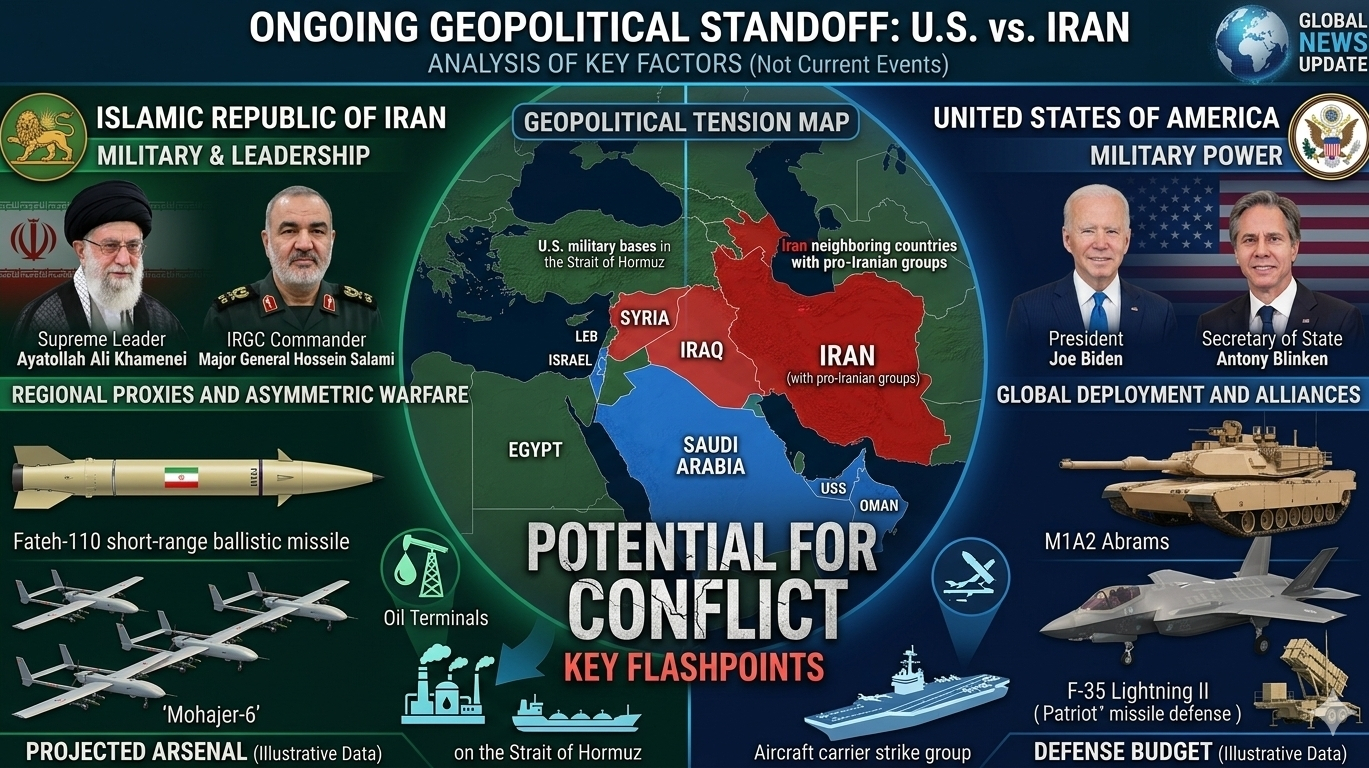
Two-Week Ceasefire: President Donald Trump has agreed to suspend planned military strikes on Iran for two weeks. This decision follows a high-stakes diplomatic intervention by Pakistan.
Pakistan's Mediation: Prime Minister Shehbaz Sharif and Field Marshal Asim Munir requested the pause to allow for a diplomatic resolution. Tehran is reportedly reviewing this request "positively."
The "10-Point Proposal": President Trump described a new Iranian proposal as a "workable basis" for a long-term peace agreement, a shift from earlier U.S. rejections of Iranian terms.
Strait of Hormuz: The suspension of strikes is contingent on Iran immediately and safely reopening the Strait of Hormuz to international shipping.
Context: The Recent Escalation
The conflict reached a boiling point over the last week due to several critical events:
Deadline Threats: Before the ceasefire was announced, the U.S. had set a deadline of 8:00 PM on April 7 for Iran to reopen the Strait or face strikes on its power plants, bridges, and civilian infrastructure.
Aerial Combat: On April 4, an American F-15 jet was downed over Iran. The U.S. successfully rescued the pilot, but the incident significantly heightened tensions.
Regional Fallout: * Iraq: Pro-Iran militias recently targeted U.S. diplomatic facilities near Baghdad International Airport.
Kuwait: Reports indicate civil unrest and curfews following the overrunning of a consulate in Basra by pro-Iran supporters.
Energy Crisis: Global oil markets are in turmoil; OPEC+ recently hiked production quotas to counter the loss of 12 million barrels a day caused by the Hormuz closure.
Summary of Current Stance
Feature Status as of April 8, 2026
Military Action Paused (2-week suspension of bombing)
Primary Goal Reopening the Strait of Hormuz
Mediator Pakistan
Risk Level High; B-52 bombers remain en route/deployed in the region