
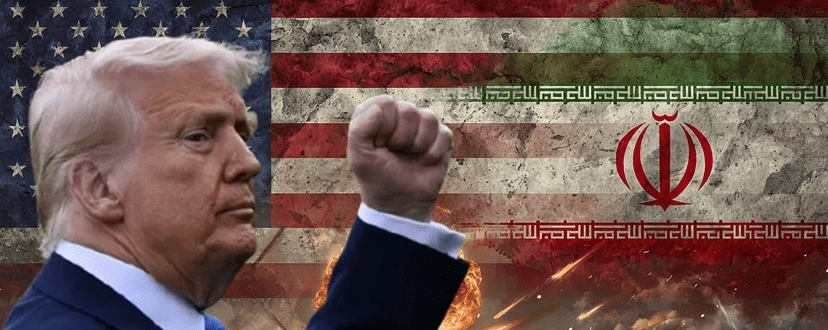
The fragile two-week ceasefire between the United States, Israel, and Iran faced new strain on April 14 after weekend peace talks in Islamabad, Pakistan, ended without agreement. US Vice President JD Vance led marathon negotiations, but no breakthrough was reached on key issues including the Strait of Hormuz. In response, President Donald Trump ordered a US naval blockade of Iranian ports, which took effect on April 14. The US Central Command is now restricting vessels entering or leaving Iranian harbors in the Persian Gulf and Sea of Oman.
Iran condemned the blockade as “an act of piracy” and warned that it could render ports in the region unsafe. Thousands rallied in Tehran against the move. Ship-tracking data showed at least three vessels, including some Iran-linked ships, continuing to transit the Strait of Hormuz despite restrictions, raising doubts about the blockade’s immediate impact. Oil markets reacted with volatility amid fears of broader disruptions to global energy supplies. Saudi Arabia urged the US to lift the blockade, concerned about potential Iranian retaliation that could affect other shipping routes like Bab al-Mandeb.
Civilian casualties from the ongoing conflict remain a grave concern. Reports indicate at least 1,701 civilians killed in Iran, over 2,089 in Lebanon, dozens across Persian Gulf states and Israel, and 13 US service members since hostilities intensified earlier in 2026. In Lebanon, Israeli forces conducted fresh airstrikes in southern areas and continued operations against Hezbollah targets. Hezbollah rejected full participation in related talks and reported carrying out attacks on Israeli positions near the border. Rare direct talks between Israeli and Lebanese officials began in Washington amid the violence.
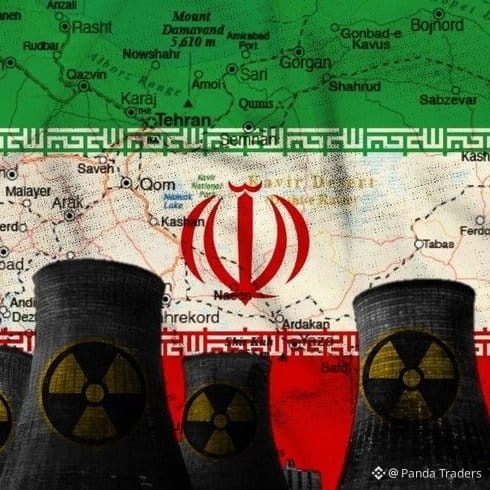
Diplomacy continues in parallel. Pakistan’s Prime Minister Shehbaz Sharif stated the ceasefire is still “holding” and efforts are underway for renewed negotiations. Trump indicated that Iranian officials have expressed interest in working toward a deal. Discussions for another round of face-to-face US-Iran talks are reportedly under consideration before the current ceasefire expires around April 22. China and other international voices have criticized the blockade as risky, while UN officials warn of the potential for wider regional war with severe humanitarian and economic consequences.
In the Russia-Ukraine conflict, limited activity persisted. Both sides accused each other of minor violations during a short Orthodox Easter truce, with continued drone and artillery exchanges but no major territorial shifts reported in recent days.
The situations in both theaters remain highly fluid. Global leaders are calling for restraint to avoid further escalation that could destabilize energy markets and trigger broader security challenges.