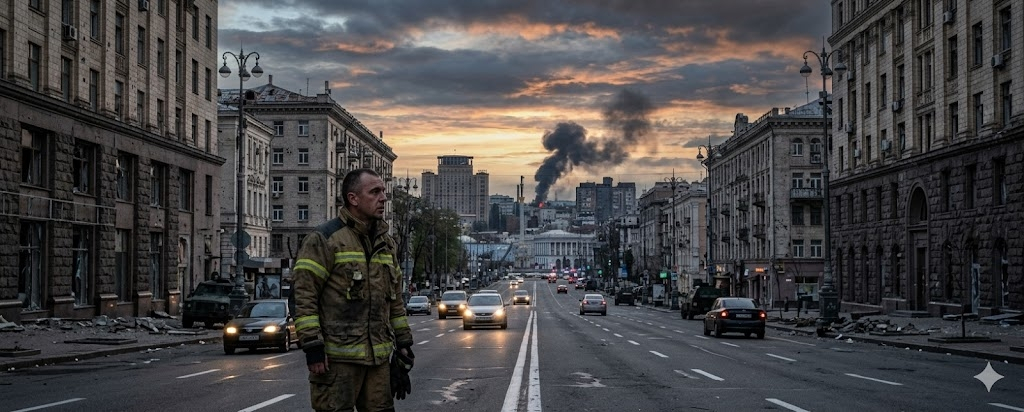
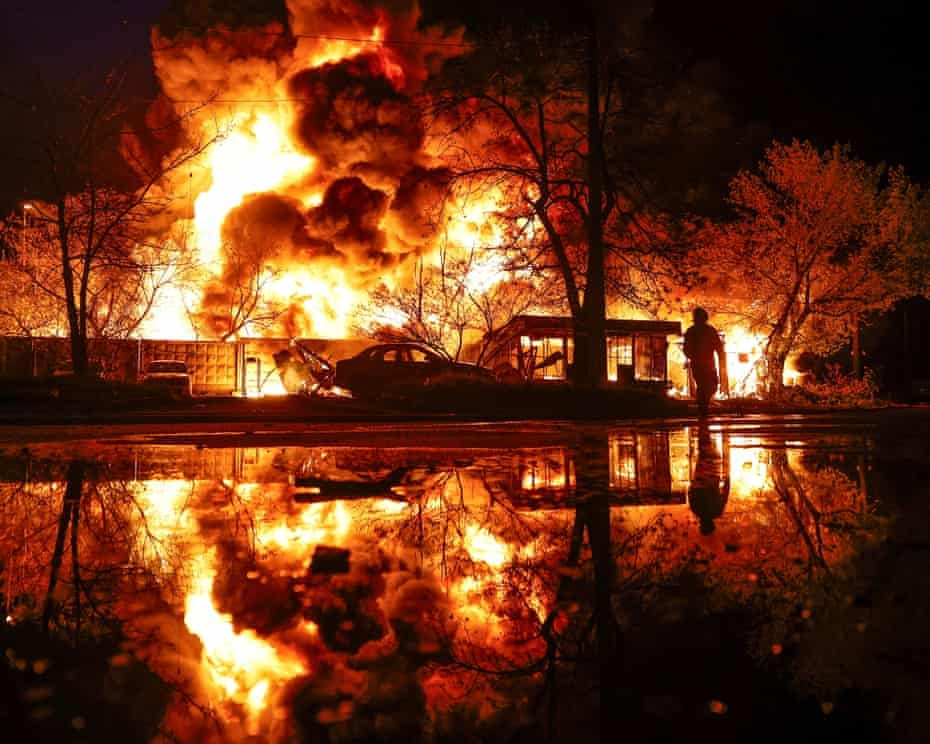
The landscape of the war in Ukraine has shifted into a grim new phase this April. Following the expiration of a fragile 32-hour Orthodox Easter truce—a ceasefire marred by mutual allegations of violations—Russia launched one of its most expansive aerial assaults to date. Early reports from April 16, 2026, confirm that nearly 700 drones and 19 ballistic missiles targeted major urban centers including Kyiv, Odesa, and Dnipro.
Escalation and Civilian Toll
The scale of this attack underscores a devastating reality: while the Kremlin claims to target "production facilities" and "energy infrastructure," the human cost remains the most significant metric.
Casualties: 16 confirmed dead, including two teenagers, and approximately 100 wounded.
"Double-Tap" Tactics: European Council President António Costa has highlighted a disturbing trend of follow-up strikes specifically designed to target first responders as they arrive at the scene—a tactic widely condemned as a deliberate attempt to terrorize the civilian population.
The Diplomatic Stagnation
The timing of these strikes is no coincidence. As the conflict enters its fifth year, peace talks spearheaded by the United States have largely been sidelined, distracted by escalating tensions between the U.S., Israel, and Iran. German Defense Minister Boris Pistorius’s recent assessment rings true: Russia’s participation in negotiations appears increasingly performative rather than substantive.
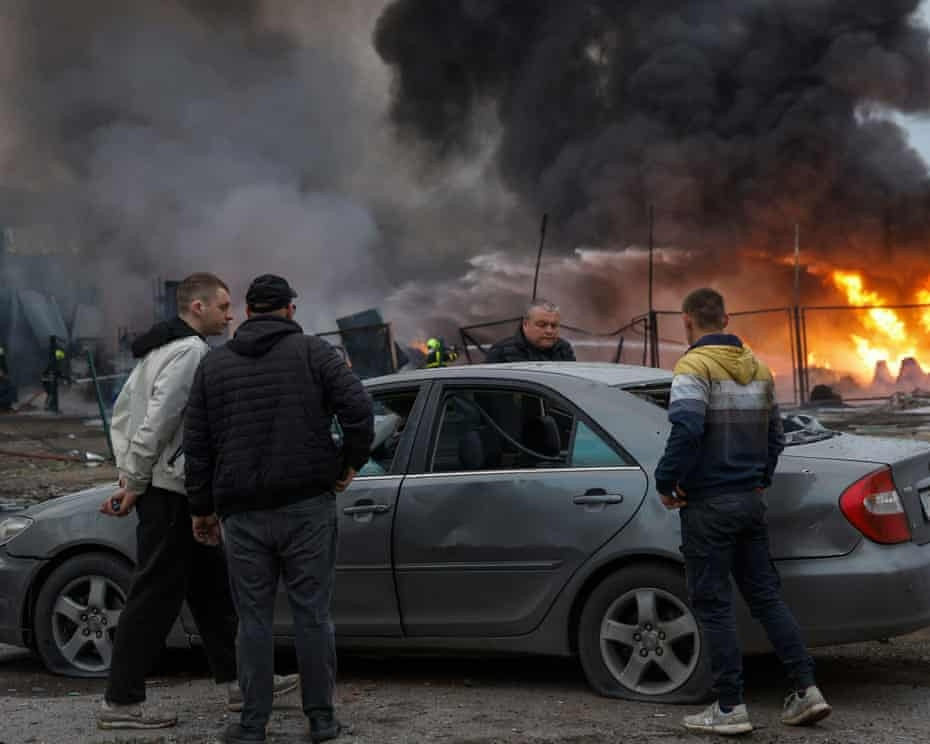
In response, President Volodymyr Zelenskyy has doubled down on the necessity of maintaining international pressure, stating firmly that Russia "does not deserve" any easing of sanctions. His message is clear: normalization is impossible while the bombardment of cities continues.
Strategic Retaliation
Ukraine has not remained passive. In a swift counter-response, Kyiv’s drone forces successfully struck two oil depots in occupied Crimea and infrastructure in the southern Russian port of Tuapse. This "tit-for-tat" aerial warfare suggests that the conflict is moving toward a war of attrition focused on energy logistics and economic disruption.
Analysis: The international community stands at a crossroads. With major powers distracted by Middle Eastern escalations, the "Ukraine fatigue" that many feared is being tested by Russia’s renewed aggression. The shift toward targeting emergency services indicates a move away from purely military objectives toward psychological warfare. For the West, the challenge remains: maintaining a unified sanction front even as other global crises vie for attention.
#UkraineWar2026 #KyivUnderFire #Geopolitics #EuropeanSecurity #Zelenskyy