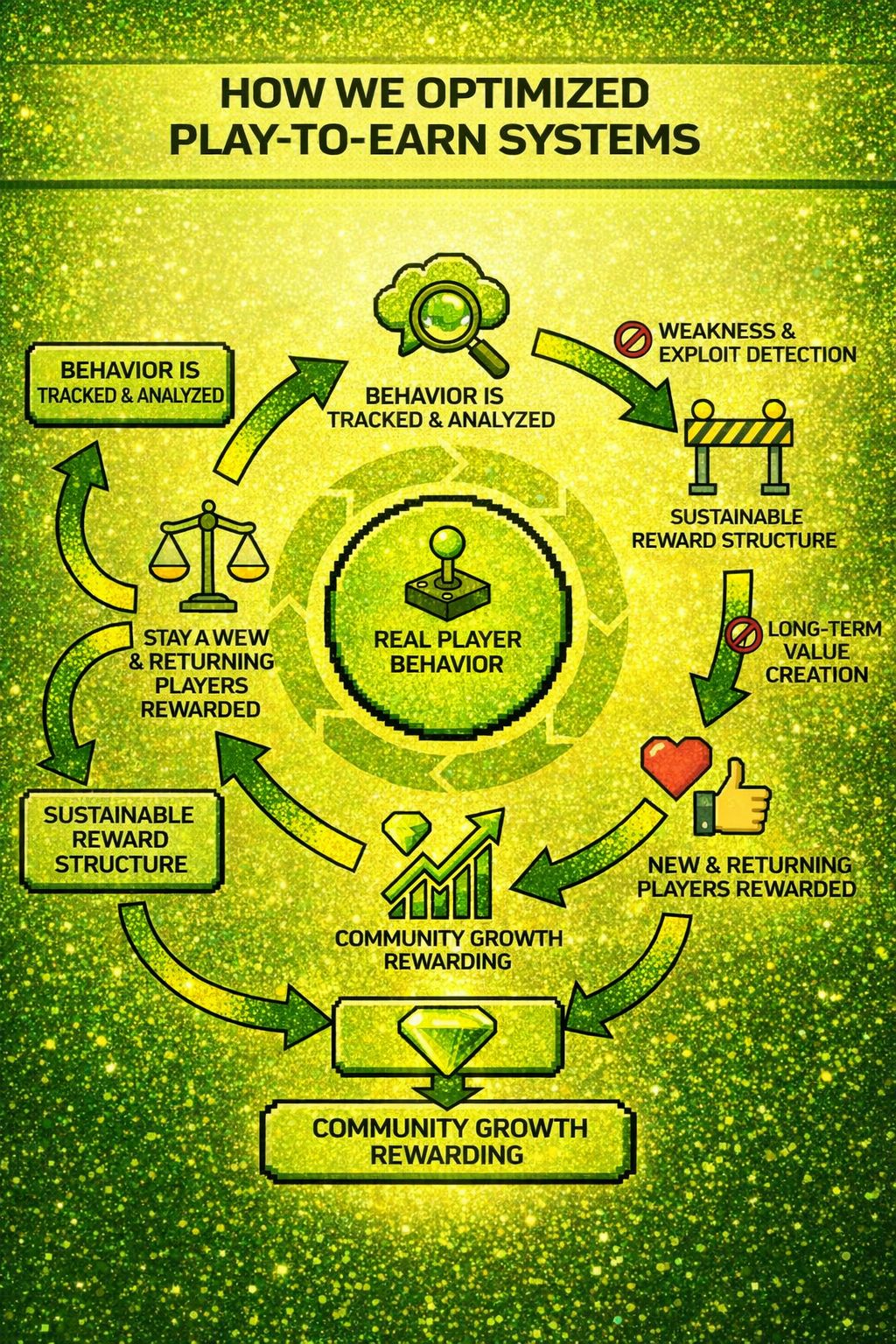
In my view, many play-to-earn systems struggle because they are built around short-term hype rather than long-term sustainability. While initial launches often look promising, the real challenge begins when a large number of players enter the ecosystem.
At scale, player behavior changes. Users naturally optimize systems—seeking shortcuts, maximizing rewards, and identifying inefficiencies. This is not a flaw in users; it is a predictable pattern. Systems that fail to account for this often evolve into farming environments, where engagement declines and economic balance collapses over time.
From my research, Pixels appears to take a different approach. Instead of assuming ideal behavior, it seems designed around how players actually interact with game systems. This shift—from theoretical design to behavior-aware design—is significant.
From a player perspective, the value proposition remains simple: play, earn, and maintain control over when to exit. However, what stands out is the emphasis on long-term engagement. The platform feels less like a transactional space and more like an evolving ecosystem.
From a studio standpoint, this model introduces efficiency and scalability. Rather than repeatedly building isolated systems, developers can leverage a shared framework that supports community growth and continuous reward evolution.
Many existing platforms function like transit points—users participate briefly, extract value, and leave. In contrast, Pixels creates the impression of a system designed for sustained involvement.
Of course, no model is without risk. Challenges such as economic imbalance or reward inflation remain relevant. However, the key distinction lies in whether these challenges are anticipated during the design phase.
In my opinion, Pixels stands out not because of marketing or hype, but because it aligns its design with real user behavior and long-term ecosystem thinking.$PIXEL #pixel @Pixels