
I’ve caught myself thinking about how differently I move through a game like Pixels now compared to when I first started, and the change didn’t come from any single moment. In the beginning, it felt easy. I would log in without a plan, plant a few things, wander around, maybe discover something small and unexpected, and then leave. There was no sense that I needed to make the most of my time. Being there was enough.
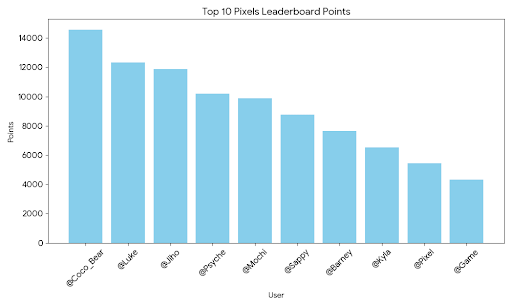
Over time, though, something shifted. It wasn’t loud or obvious. What stood out to me was how my mindset slowly changed. The introduction of leaderboards didn’t feel important at first, but it planted a quiet idea in the back of my mind. I started to notice where I stood, what others were doing, and how far ahead or behind I was. I didn’t decide to care about it—it just kind of happened.
The shift was subtle, but it stayed with me. Things that once felt relaxing started to feel a bit more deliberate. Farming became less about passing time and more about doing it “right.” Exploring didn’t feel as open because I was always wondering if it was the best use of my time. Even small creative choices started to feel influenced by what might be more rewarding instead of what simply felt enjoyable.
What looked like growth from the outside—more players, more activity, more structure—started to feel different underneath. The more I watched, the more I saw people, including myself, adjusting to the system. We weren’t just playing anymore, we were trying to be efficient. Conversations changed too. Instead of sharing what we found or enjoyed, people talked more about strategies, shortcuts, and ways to get ahead.
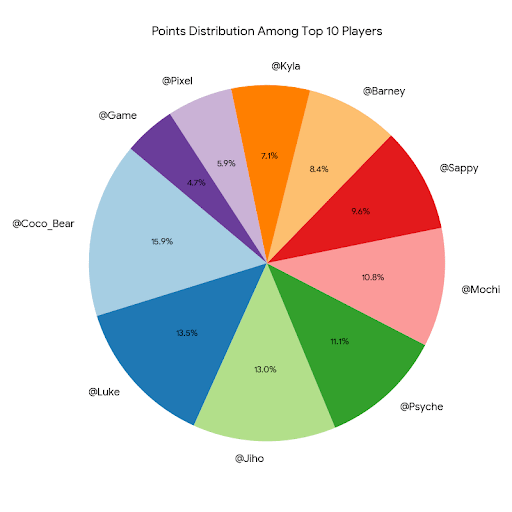
It started to feel like the game was quietly asking for something different from us. Not directly, but through its design. The rewards, especially when they were visible to everyone, created a kind of pressure. Nothing overwhelming, just a constant feeling that you could be doing better. And once that feeling settles in, it’s hard to ignore. Even when trying to relax, there’s always that small thought in the background about whether you’re making the most of it.
Over time, I noticed how the experience became more about results than moments. People weren’t necessarily enjoying the game less, but they were engaging with it differently. Time spent started to feel like something you trade for outcomes. Actions weren’t just things you did—they were choices you measured.
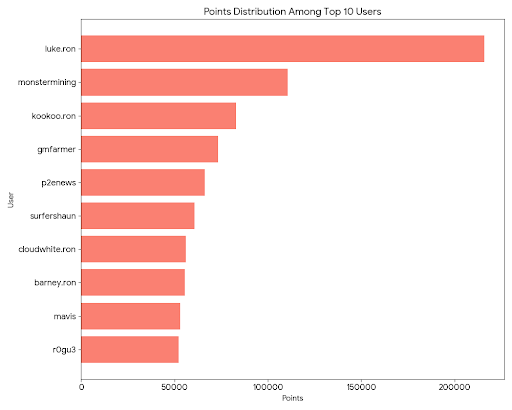
What’s interesting is that nothing actually breaks. The game still works, the world still looks the same, and if anything, it feels more active than before. But underneath, something becomes quieter. That original feeling of just being there, of playing without thinking too much about it, slowly fades.
The more I paid attention, the clearer it became. The way a game rewards you doesn’t just guide what you do—it slowly shapes how you think. It changes what feels important, what feels like progress, and even what feels fun.
And in the end, it doesn’t feel like something was taken away. It feels more like something gently shifted into place without you fully noticing. The game is still there, unchanged on the surface. But the way it feels to be inside it is a little different now, a little more focused, a little less free. And that difference is hard to point to, but easy to feel once you notice it.