
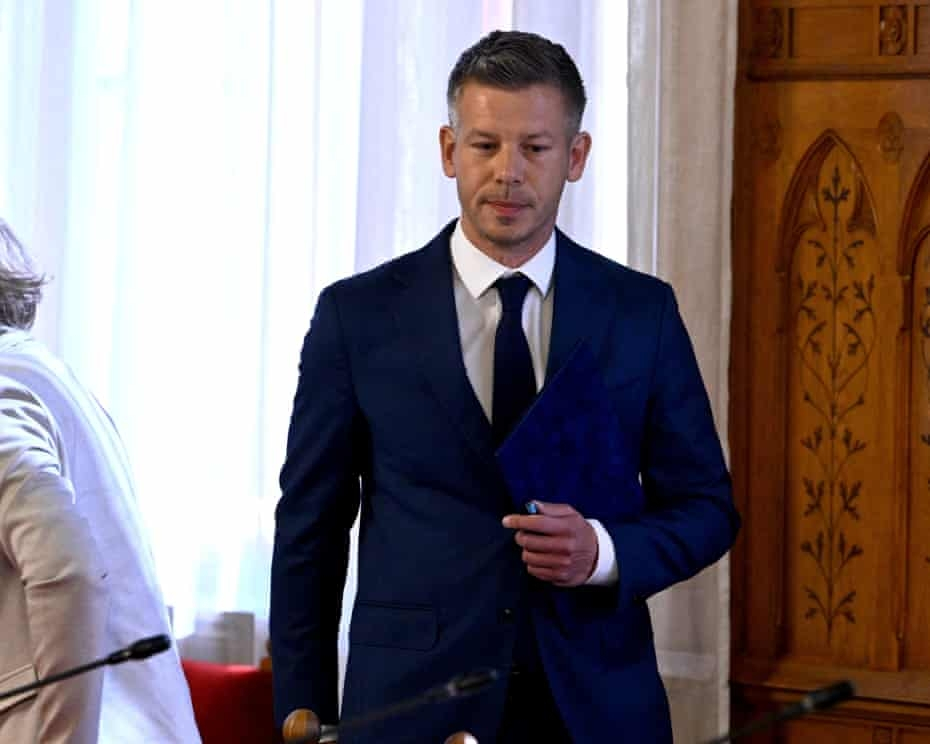
The political landscape of Central Europe has shifted on its axis. After 16 years of Viktor Orbán’s "illiberal democracy," Hungary is entering a period of profound transformation following the landslide victory of Péter Magyar and the Tisza party.
The immediate arrival of EU officials in Budapest—weeks before the new government officially takes office—underscores the urgency of this transition. For Brussels, the mission is twofold: secure the long-stalled €90bn loan for Ukraine and establish a functional relationship with a member state that has spent over a decade in a state of perpetual friction with the bloc.
The Breakdown: Challenges and Opportunities
The Unlocking of Funds: Péter Magyar faces the monumental task of releasing €17bn in frozen EU funds. This isn't just about diplomacy; it's a race against time, as €10bn of those funds are set to expire in August. To succeed, the new administration must swiftly implement reforms regarding corruption, judicial independence, and academic freedom.
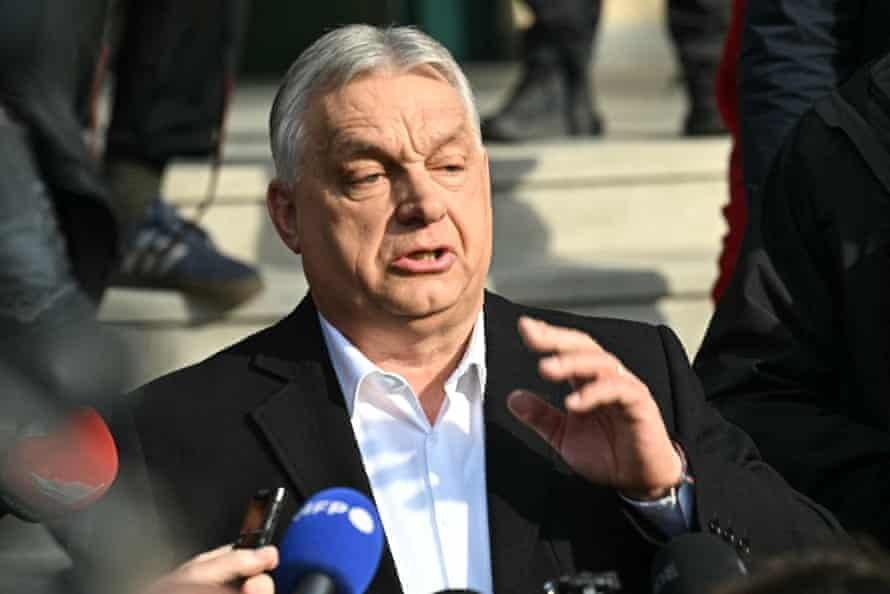
Orbán’s Legacy & Resistance: Despite admitting that a "political era has ended," Orbán’s influence remains woven into the fabric of the state. With loyalists deeply embedded in the judiciary, media authorities, and the audit office, Magyar’s call for mass resignations of high-ranking officials signals a looming battle over "state capture."
A Shift in Geopolitics: The "Gordian knot" mentioned by analysts highlights the delicate balance Magyar must strike. He is tasked with dismantling a decade and a half of populist infrastructure while simultaneously delivering on campaign promises to a population eager for "regime change."
Analysis: What This Means for Europe
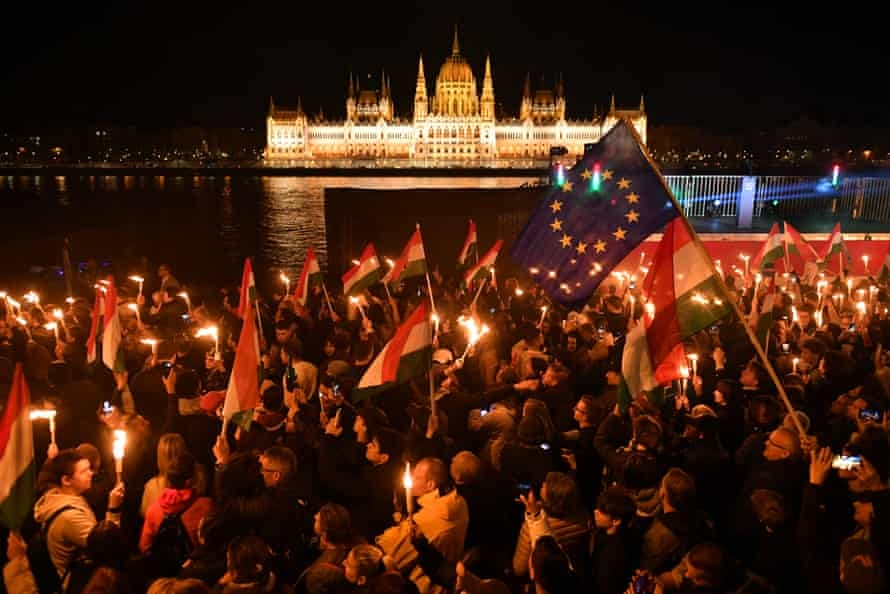
This election isn't just a local turnover; it’s a stress test for the European Union's ability to reintegrate a "captured" state into its democratic framework. The EU’s proactive engagement suggests they are willing to meet the new government halfway to prevent a return to the obstructive tactics of the past.
As Viktor Orbán assumes full responsibility for Fidesz's defeat and prepares for a party leadership vote in June, the focus shifts to whether the "Tisza Revolution" can truly decouple the Hungarian state from the Fidesz party apparatus. The coming months will determine if Hungary becomes a blueprint for democratic recovery or remains a cautionary tale of institutional entrenchment.
#HungaryElection #EuropeanUnion #Geopolitics #Democracy #ViktorOrban