
The evolution of Web3 gaming is no longer just a concept—it’s actively reshaping how players interact with digital worlds. Among the standout projects leading this transformation is @Pixels , a platform that merges immersive gameplay with real economic value. Unlike traditional games where assets are locked within centralized systems, Pixels introduces a decentralized ecosystem where players truly own their in-game progress, assets, and rewards.
At its core, Pixels is more than just a casual farming or exploration game—it represents a shift toward player-driven economies. The integration of blockchain technology allows every action, whether farming, trading, or crafting, to contribute to a larger decentralized system. This level of ownership is what makes Web3 gaming fundamentally different, and @Pixels executes this vision with impressive clarity and accessibility.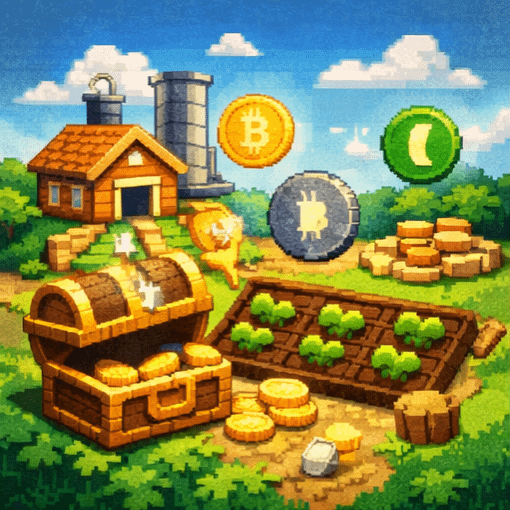
One of the most relevant aspects of Pixels is its seamless onboarding experience. Many Web3 games struggle with complexity, but Pixels simplifies the process, allowing even non-crypto users to participate. This accessibility plays a crucial role in mass adoption, bridging the gap between traditional gamers and blockchain enthusiasts. As the industry grows, projects that prioritize user experience—like @Pixels —are more likely to sustain long-term engagement.
From a professional standpoint, Pixels demonstrates how tokenomics and gameplay can align effectively. The PIXEL token is not just a reward mechanism; it is deeply embedded in the ecosystem. Players can earn tokens through in-game activities, stake them for additional benefits, and participate in a growing digital economy. This creates a loop where engagement directly translates into value, encouraging consistent participation rather than short-term speculation.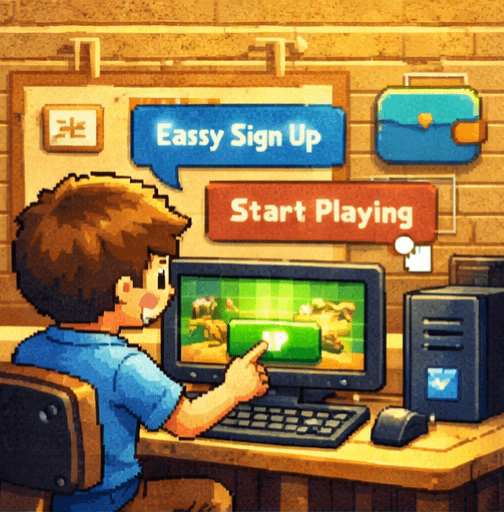
Another important factor is the community-driven nature of the platform. In Web3, communities are not just audiences—they are contributors. Pixels leverages this by allowing players to influence the in-game economy through their actions. Whether it's resource management, land usage, or trading strategies, players collectively shape the ecosystem. This dynamic adds depth and unpredictability, making the experience more engaging compared to static game environments.
Creativity is where Pixels truly stands out. The game blends nostalgic pixel-art aesthetics with modern blockchain functionality, creating an environment that feels both familiar and innovative. This balance is crucial because it lowers the entry barrier while still delivering cutting-edge features. The open-world design encourages exploration, experimentation, and strategic thinking—key elements that keep players invested over time.
Additionally, the introduction of staking and reward systems enhances the overall value proposition. Instead of simply playing for entertainment, users can build sustainable earning strategies within the game. This aligns perfectly with the broader vision of Web3, where users are not just consumers but stakeholders in the ecosystem.
Looking ahead, the potential of @Pixels extends beyond gaming. It represents a blueprint for how decentralized applications can integrate fun, finance, and freedom into a single platform. As more users recognize the benefits of digital ownership and decentralized economies, projects like Pixels will likely play a significant role in shaping the future of online interaction.
In conclusion, Pixels is not just another Web3 game—it’s a complete ecosystem that combines engaging gameplay with real economic opportunities. Its focus on accessibility, strong token utility, and community involvement makes it one of the most promising projects in the space today. For anyone looking to understand where Web3 gaming is headed, @Pixels is definitely a project worth exploring.