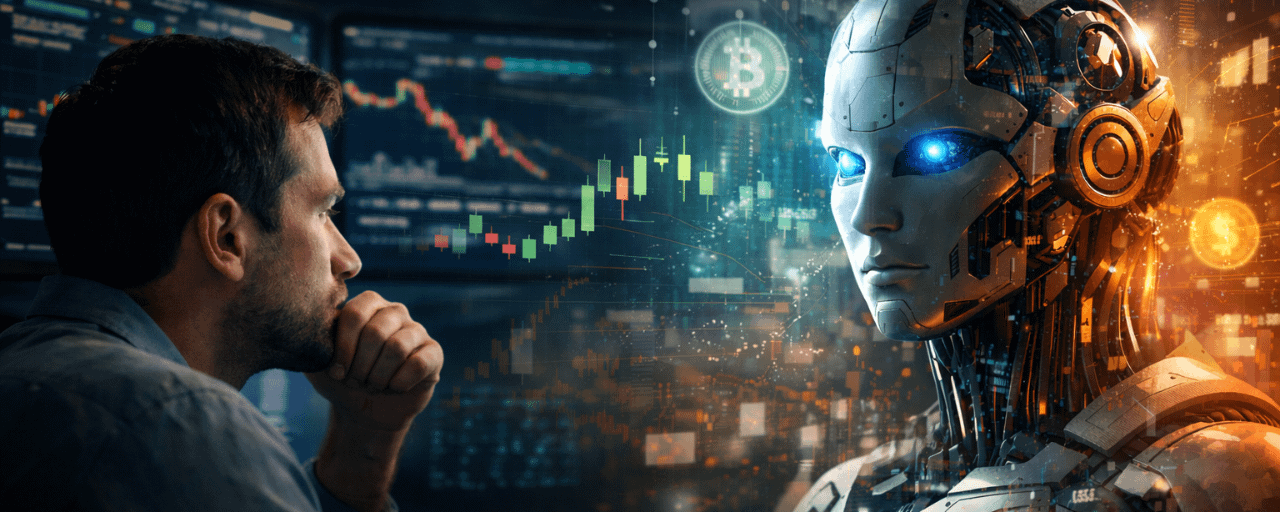
From a personal perspective, the emergence of advanced tools like Binance AI Pro signals a pivotal shift in how artificial intelligence is integrating into everyday investment behavior. What once felt like a distant, highly technical domain reserved for institutions is now becoming accessible, intuitive, and increasingly embedded in the decision-making routines of individual investors.
Traditionally, investing required a mix of experience, intuition, and time-consuming research. Retail investors often relied on fragmented sources of information—news, charts, social sentiment—while trying to interpret market signals with limited tools. AI is now closing that gap. With platforms like Binance AI Pro, users are no longer just reacting to the market; they are interacting with systems that continuously analyze vast datasets, identify patterns, and suggest potential actions in real time.
What stands out most is how seamlessly AI is blending into daily investment habits. Instead of logging in occasionally to check prices or execute trades, users can now rely on AI-driven insights that function almost like a personal advisor—one that never sleeps, constantly scans the market, and adapts to changing conditions. This transforms investing from a periodic activity into a more dynamic, ongoing process.
However, this shift is not just about efficiency—it’s about behavior. As AI becomes more integrated, it subtly reshapes how individuals think about risk, timing, and strategy. Decisions that once required hesitation and manual analysis can now be made faster, sometimes even automatically. This convenience, while powerful, raises important questions: Are investors becoming too dependent on AI? Does automation reduce critical thinking, or does it enhance it by freeing up cognitive space?
Another important aspect is accessibility. AI tools are lowering the barrier to entry for new participants in the crypto and financial markets. Someone with limited experience can now leverage sophisticated analytics that were previously unavailable to them. This democratization of investing tools is a positive development, but it also comes with responsibility. Easy access does not eliminate risk—it can sometimes amplify it if users blindly follow AI suggestions without understanding the underlying logic.
From my viewpoint, Binance AI Pro represents a transitional phase rather than a final destination. It shows how close AI is to mimicking human-like investment behavior—analyzing trends, adjusting strategies, and even learning from past outcomes. Yet, it also highlights the importance of maintaining a balance. AI should act as an assistant, not a replacement for judgment.
Ultimately, the real impact lies in how users choose to engage with these tools. Those who treat AI as a collaborative partner—questioning its outputs, combining it with personal insights—are likely to benefit the most. Meanwhile, those who rely on it blindly may expose themselves to new forms of risk.
In short, AI is no longer just supporting investment decisions; it is becoming part of the behavior itself. And that shift is redefining what it means to be an investor in the modern era.
$XAU #BinanceAIPro @Binance Vietnam