
In the world of global headlines, few topics feel as heavy—or as personal—as the relationship between the United States and Iran. Whether you’re a policy wonk or someone just worried about the price of gas and the state of global peace, the question #WhatNextForUSIranConflict is one that touches us all.
Right now, we are standing at a fascinating, albeit tense, crossroads. Here is a look at where we are, where we might be heading, and why there’s actually a reason to appreciate the diplomatic tightrope being walked right now.
1. The Current Climate: Beyond the "Tit-for-Tat"
As of April 2026, the narrative has shifted. We aren't just looking at the old cycle of sanctions and rhetoric. Following the high-stakes escalations earlier this year—including the "Operation Epic Fury" strikes and the subsequent disruptions in the Strait of Hormuz—the world held its breath.
But here’s the thing to appreciate: The silence isn't empty; it’s strategic. Despite the "unconditional surrender" rhetoric we often see in the news, there is a visible, human effort to find a "backdoor" to peace.
2. Diplomacy in Surprising Places
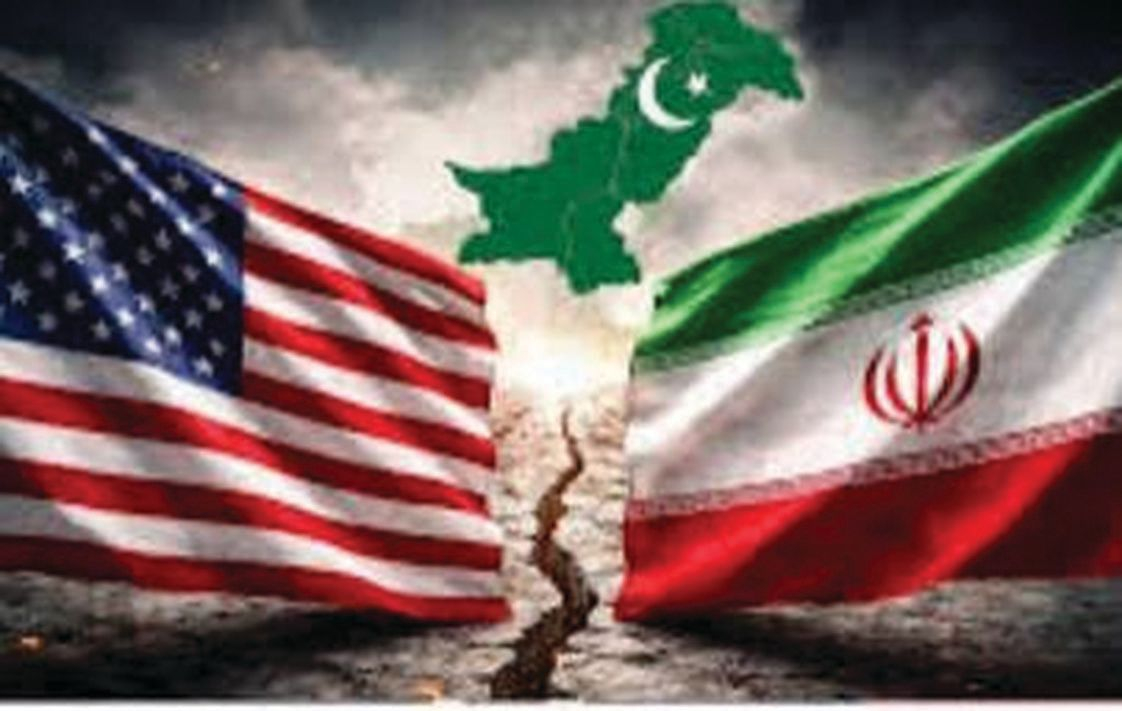
One of the most encouraging trends is the emergence of new mediators. We’re seeing countries like Pakistan, Egypt, and Qatar step up in ways they haven't before.
The Islamabad Talks: Even when official channels seem blocked, the fact that negotiators are meeting in neutral territory shows that neither side truly wants a "forever war."
The "Secret" Channels: Reports of indirect messages being passed through European and regional partners suggest that behind the public posturing, there are pragmatists on both sides looking for an off-ramp.
3. What’s Actually Next? (The 3 Likely Paths)
A. The "Managed Tension" Model
This is the most likely scenario. Neither a full-scale peace treaty nor a full-scale war, but a return to a "red line" understanding. This would involve a partial reopening of trade routes in exchange for a freeze on certain activities. It’s not perfect, but it’s stable.
B. The Economic Pivot
With the global energy market shifting toward 21st-century infrastructure, the leverage of oil is changing. We may see a future where the conflict de-escalates not because of a sudden change of heart, but because the economic stakes of the "Old Energy" war simply don't pay off anymore.
C. The Domestic Variable
Both nations are dealing with internal shifts. In the U.S., the focus is shifting toward domestic economic stability; in Iran, a younger generation is looking toward a future that involves more connection with the world. This "bottom-up" pressure for normalcy is a powerful, underrated force for peace.
Why We Should Stay Hopeful
It’s easy to get cynical about Middle Eastern geopolitics. However, we should appreciate the resilience of the global community. Every time we reach the brink, there is a collective, worldwide "pulling back."
The fact that we are talking about negotiations in Pakistan rather than movements in the Persian Gulf today is a win for common sense.
Final Thoughts
The road ahead for #WhatNextForUSIranConflict isn't paved with easy answers. It’s going to be a slow, often frustrating process of small wins. But as long as the "negotiation" door remains slightly ajar, there is room for a future that favors stability over chaos.
What do you think? Are we looking at a new era of regional diplomacy, or is this just a temporary breather? Let’s keep the conversation going in the comments.
Stay informed, stay grounded, and let’s hope for a peaceful path forward.