
In the fast-evolving world of Web3 gaming, most discussions revolve around graphics, tokenomics, or gameplay loops. But what if the real revolution is happening somewhere less obvious? What if games like @Pixels are not just entertainment platforms, but early prototypes of a new kind of digital labor market? This perspective is rarely discussed—and yet, it might be the most important shift of all. #pixel
The Hidden Layer of Value Creation
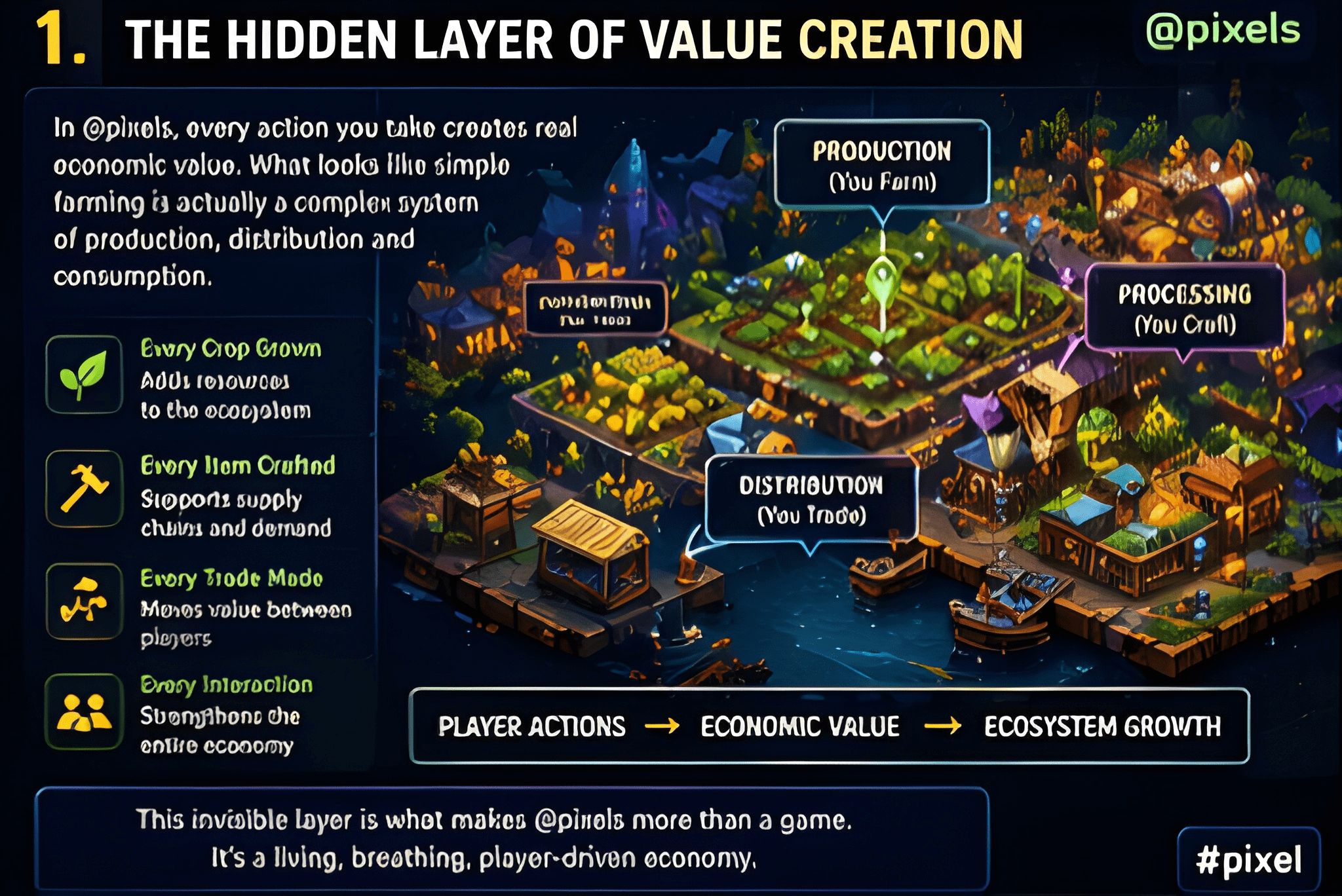
When players enter @pixels, they typically see a charming farming and exploration game. They plant crops, trade resources, and interact with other players. On the surface, it feels casual and engaging. However, beneath this simplicity lies a complex system of value creation that mirrors real-world microeconomies.
Every action—whether farming, crafting, or trading—contributes to a larger economic loop. Unlike traditional games where effort disappears into centralized servers, transforms player activity into measurable, tradable value. This subtle shift changes the psychology of gaming. Players are no longer just consuming content—they are producing value within a decentralized ecosystem.
From “Play-to-Earn” to “Play-to-Contribute”
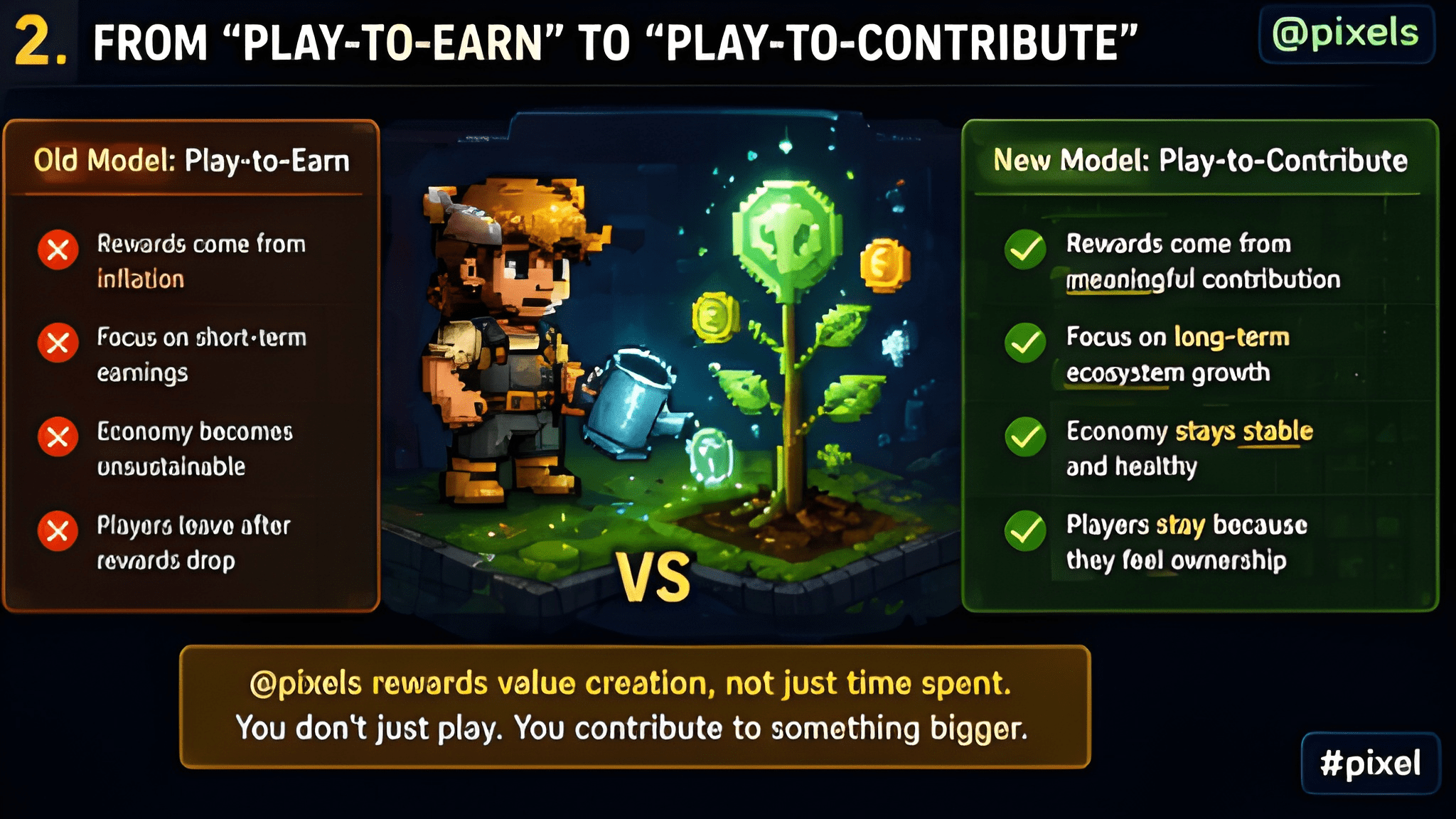
The Web3 gaming industry initially pushed the concept of “play-to-earn,” but that model quickly faced sustainability issues. Many projects collapsed because rewards were disconnected from real utility. @pixels, however, is quietly moving toward something more sustainable: play-to-contribute.
In this model, rewards are not simply given—they are earned through meaningful participation in the ecosystem. Farming resources, maintaining supply chains, and engaging in the in-game economy all serve functional purposes. This creates a system where value is backed by activity rather than speculation.
This shift may seem small, but it represents a major evolution in Web3 thinking. Instead of focusing on short-term earnings, is building a long-term, player-driven economy.
The Rise of Digital Professions Inside Games
Here’s a concept that very few people are talking about: emerging digital professions within Web3 games.
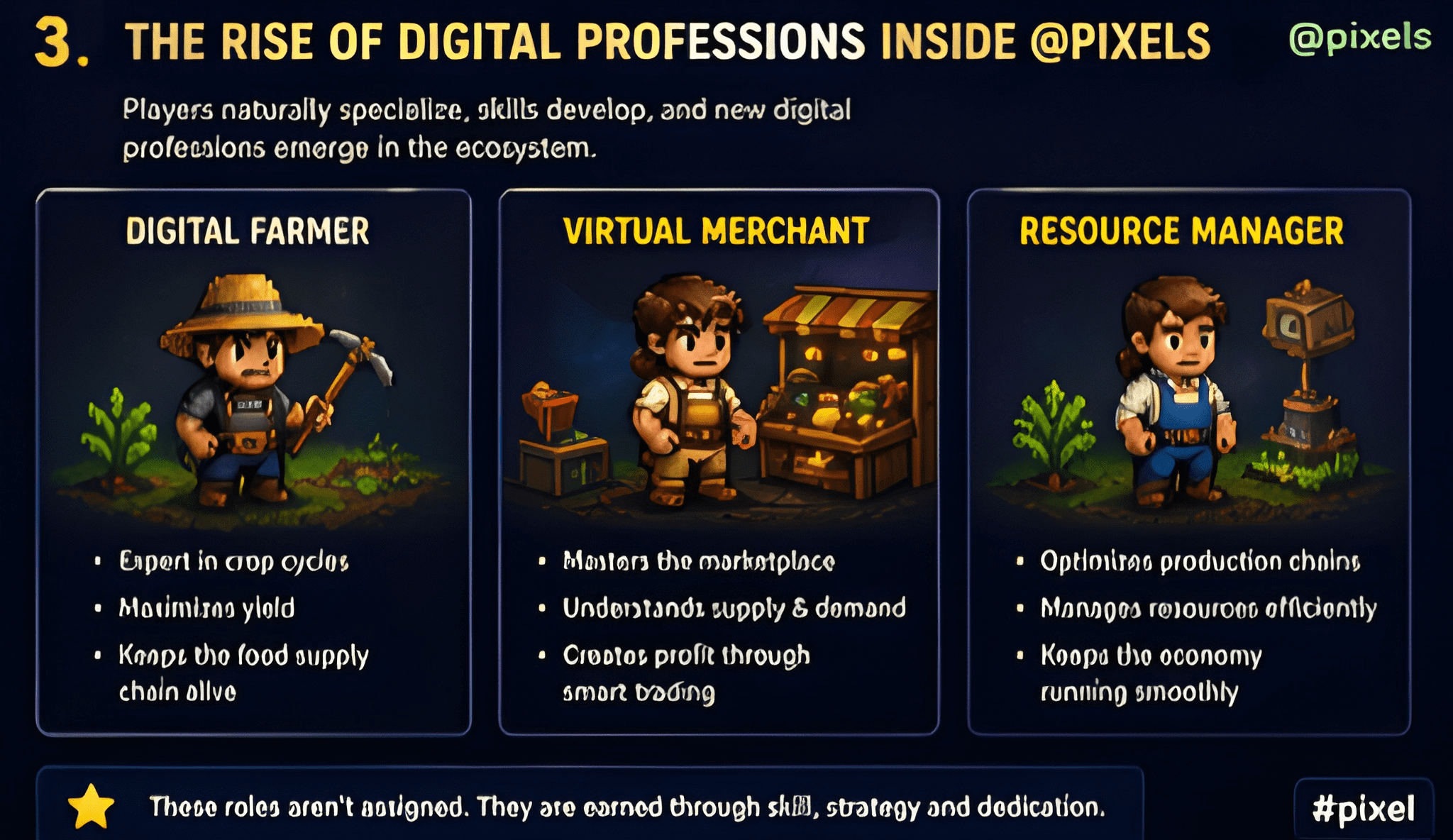
In @pixels, players naturally begin to specialize. Some focus on farming efficiency, others become skilled traders, while some excel in resource optimization. Over time, these roles start to resemble real-world professions.
A player who masters crop cycles becomes a digital farmer
A player who dominates marketplace trades becomes a virtual merchant
A player optimizing production chains acts like a resource manager
These roles are not assigned—they emerge organically. This is the foundation of a decentralized labor system where skills, not just time, determine success.
Behavioral Economics: Why Players Stay Engaged
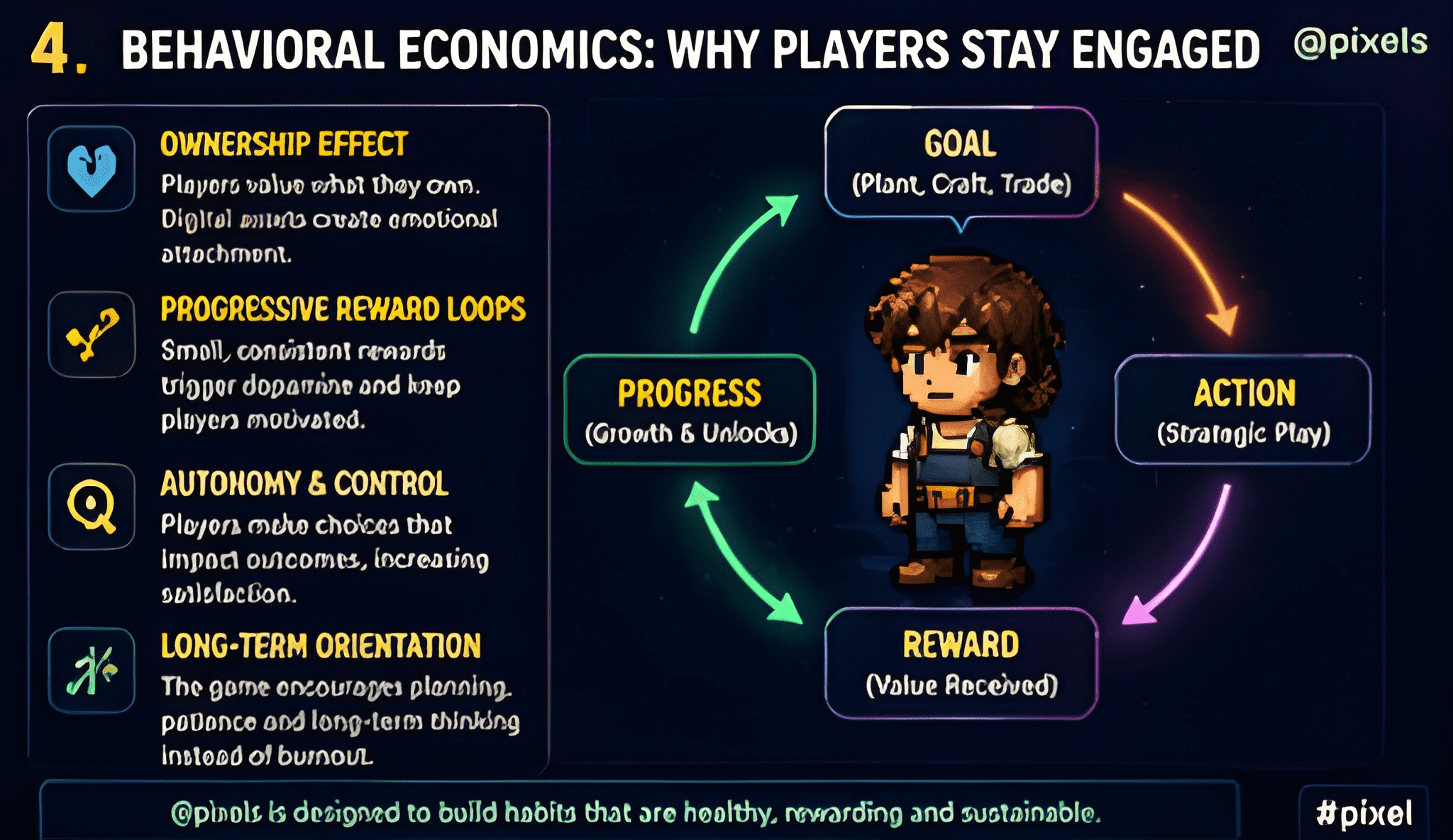
Another overlooked aspect of is how it leverages behavioral economics to maintain engagement. Unlike traditional games that rely heavily on competition or high-end graphics, uses progressive reward loops and ownership incentives.
Players feel a sense of control because their assets and progress are truly theirs. This ownership creates emotional attachment, which is far stronger than temporary in-game rewards.
Additionally, the game’s pacing encourages consistent participation rather than burnout. Instead of pushing players into intense grinding sessions, it rewards strategic planning and long-term thinking. This makes the experience sustainable—both economically and psychologically.
The Social Economy: Collaboration Over Competition
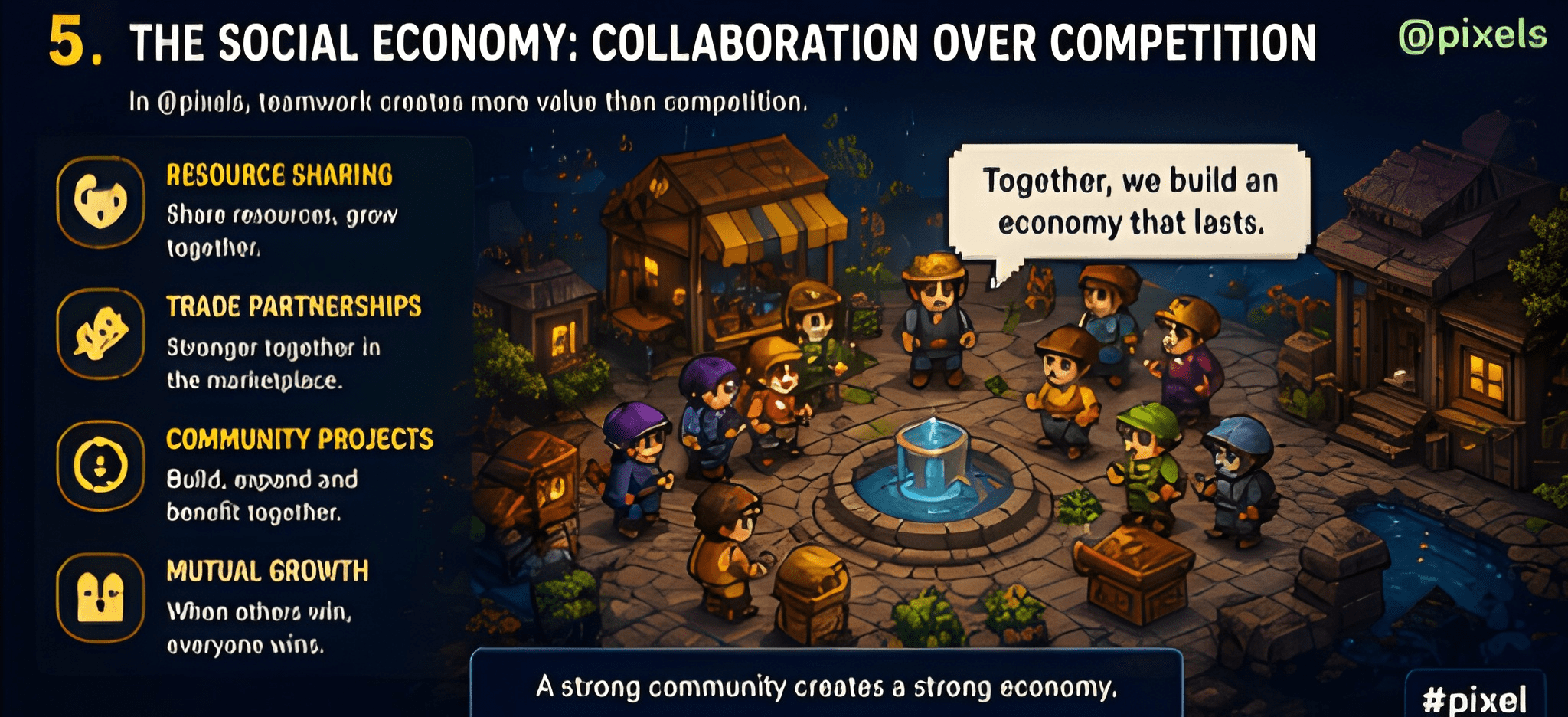
Most games are built around competition—leaderboards, rankings, and PvP battles. But introduces a different dynamic: collaborative economics.
Players often benefit more by working together than competing. Resource sharing, trading partnerships, and community-driven strategies create a cooperative environment. This is a subtle but powerful shift.
In a decentralized world, collaboration often leads to stronger and more stable economies.demonstrates how games can encourage this behavior naturally, without forcing it.
Token Utility Beyond Speculation
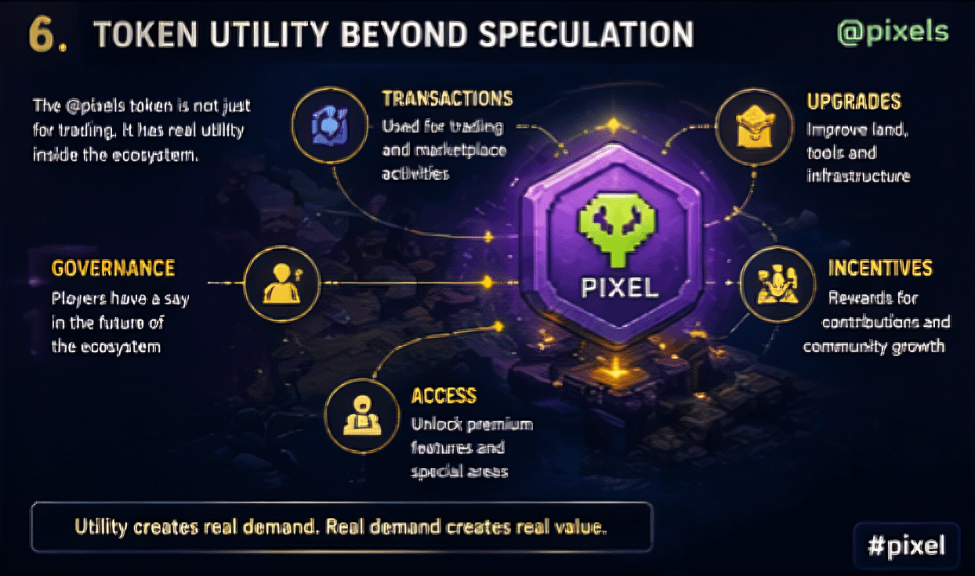
One of the biggest criticisms of Web3 projects is that tokens often lack real utility. addresses this by integrating its token deeply into gameplay mechanics.
The token is not just a reward—it’s a functional tool within the ecosystem. It facilitates transactions, incentivizes participation, and supports the overall economy. This reduces reliance on external speculation and strengthens internal value.
By focusing on utility first,avoids the trap that many Web3 games fall into: creating hype without substance.
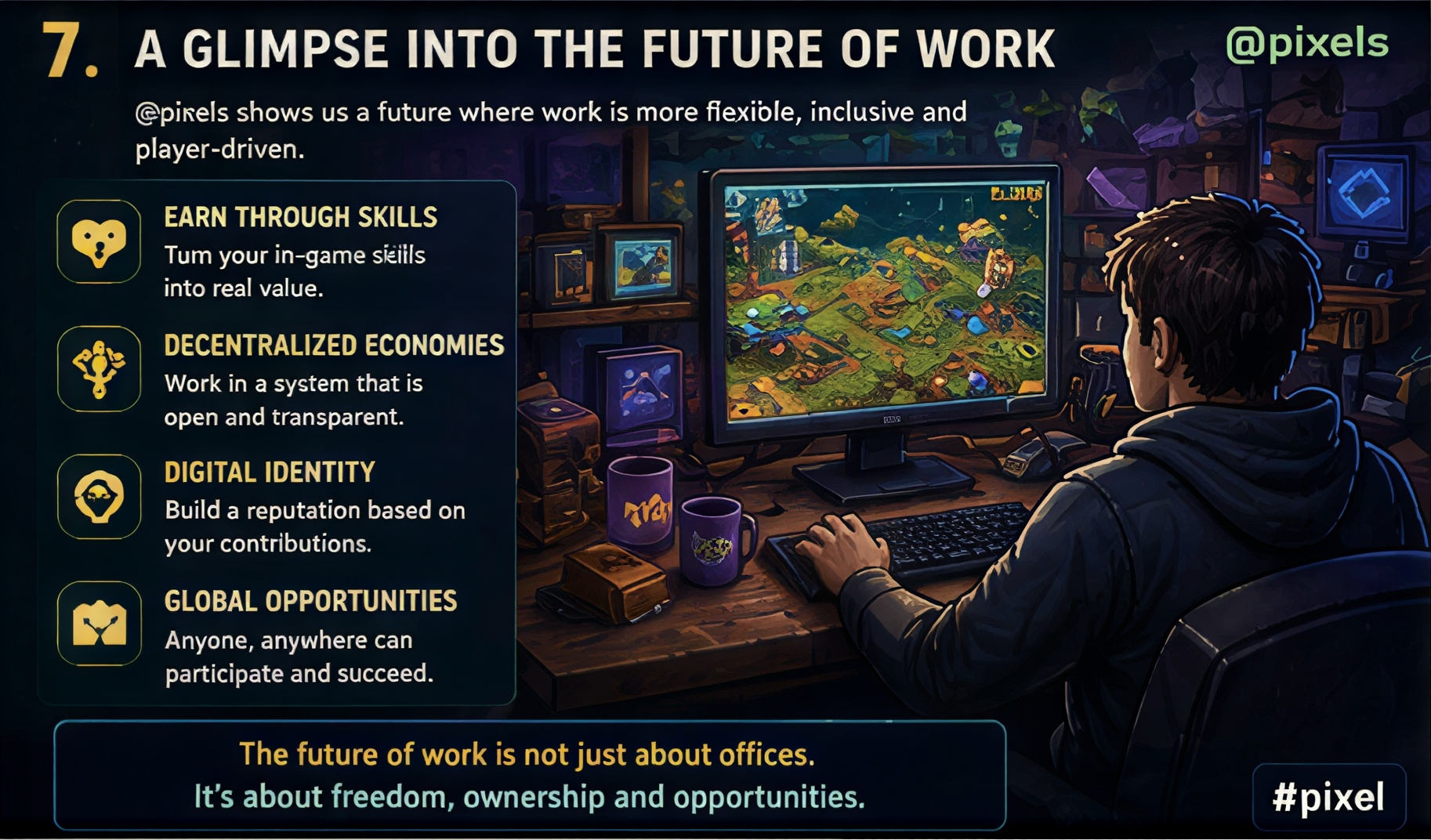
A Glimpse Into the Future of Work
Here’s the most unconventional idea: might be a preview of future work environments.
As remote work and digital economies grow, the line between gaming and working is becoming blurred. Platforms like show how people can:
Earn through skill-based activities
Participate in decentralized economies
Build digital identities tied to productivity
This is not about replacing traditional jobs, but about expanding opportunities. Imagine a world where your gaming skills translate into real economic value. That future may not be as far away as it seems.
Why This Matters More Than You Think
Most people see Web3 gaming as a trend. But trends fade—systems evolve. is not just another game; it’s an experiment in decentralized economic design.
It challenges traditional ideas about:
Ownership
Work
Value creation
Community collaboration
And it does so in a way that feels natural and engaging, rather than forced or overly technical.
Final Thoughts: The Silent Revolution
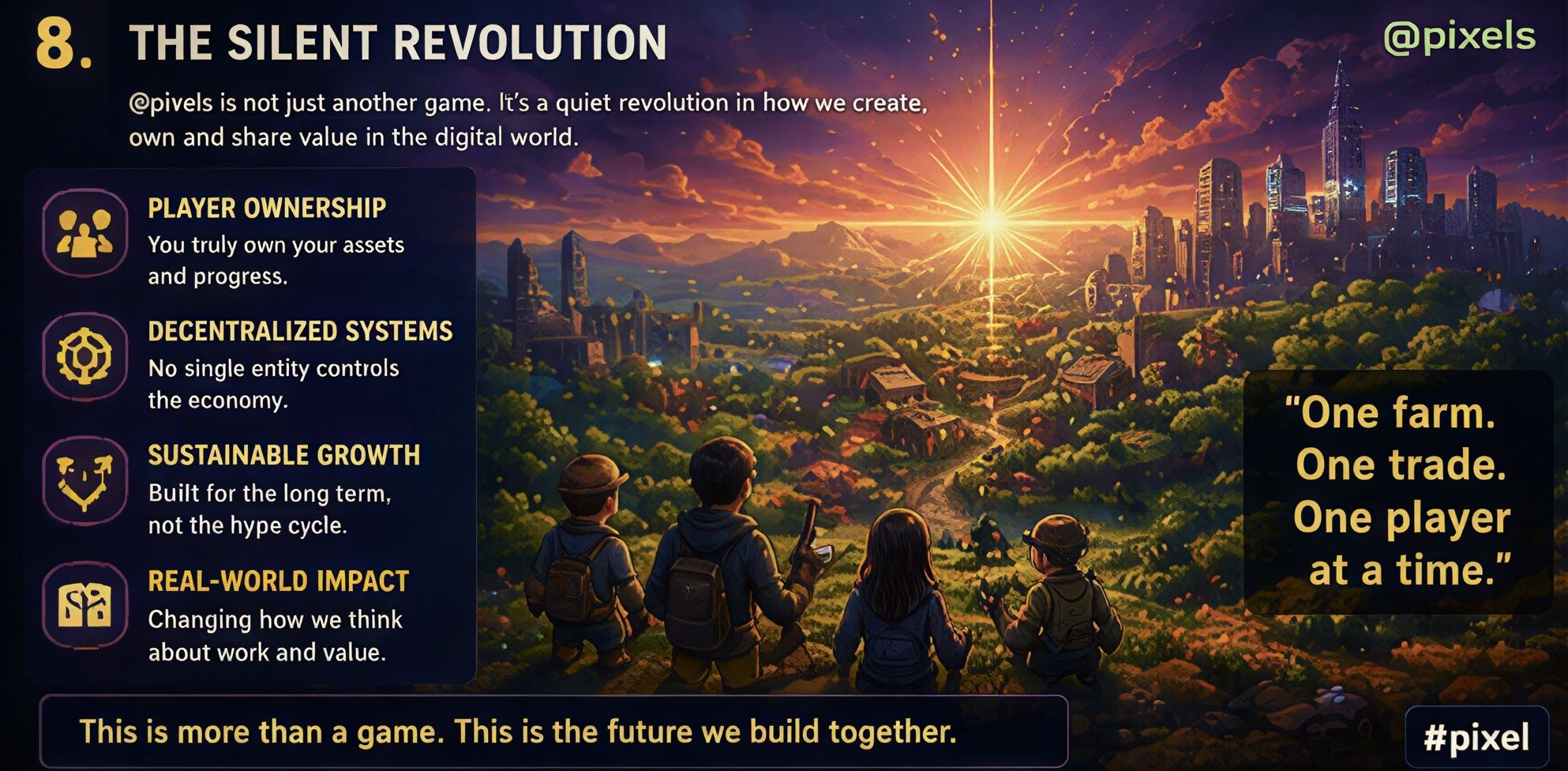
While the spotlight in Web3 often shines on flashy projects and short-term gains, is building something deeper—a sustainable, player-driven ecosystem that redefines what gaming can be.
The real innovation is not just in the technology or the token—it’s in how players interact with value itself.
If this model succeeds, it could influence not just gaming, but the broader digital economy. And the most surprising part? This revolution is happening quietly, one farm, one trade, and one player at a time.
What do you think—are games like shaping the future of digital work, or is this just another phase in Web3 evolution?
