
I used to think Web3 gaming would scale purely on ownership the idea that if players truly owned their assets everything else would fall into place. But over time I realize that ownership alone doesn’t create engagement. People don’t log in everyday just because something is on-chain, they log in because the experience feel natural, rewarding and worth coming back to. That shift in perspective is why Pixels caught my attention, not really as another “play-to-earn” experiment but more like a system thats quietly testing what sustainable behavior in Web3 actually look like.
$PIXEL built on the ronin Network and at first it doesn’t try to overwhelm you with complexity. It leans into something simple farming, exploration, crafting the kind of loops that feel familiar even if you never touched crypto before. and thats where I think the real strategy is. Instead of forcing users to adapt to blockchain mechanics, it kind of adapts blockchain to user behavior. Most projects I seen struggle because they start with token models and then try building gameplay around it, Pixels flips that around. It starts with behavior and let the economy grow from it.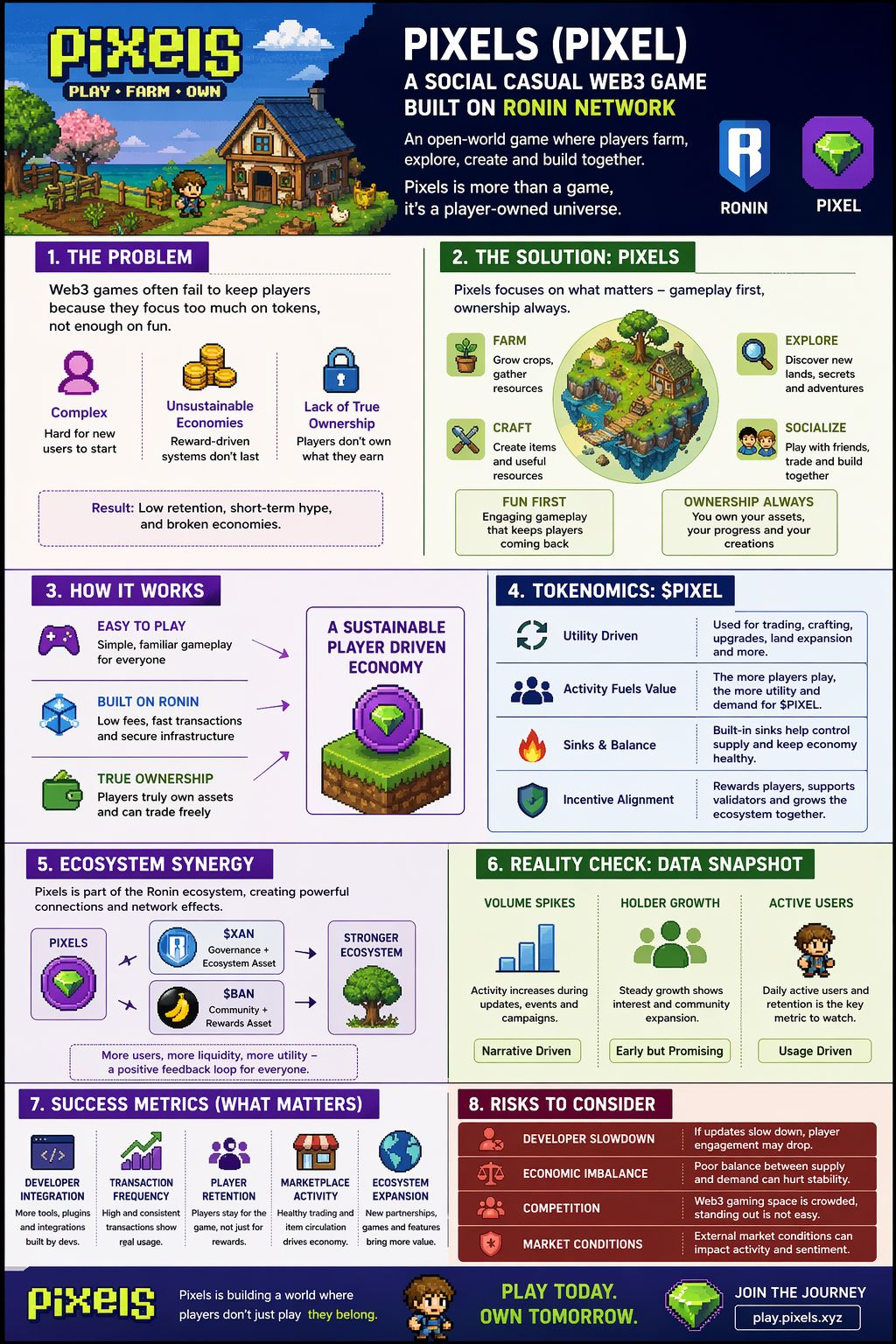
I’ve observed one of the biggest gaps in Web3 gaming is the tension between accessibility and control. Traditional games are smooth and easy but everything you earn belong to the platform. on the other side decentralized games promise ownership but comes with usability problems. Wallets, gas fees and fragmented systems create a barrier most casual users never really cross. Pixels seems to be navigating that middle ground by hiding the complexity but not removing user control. You still own your assets, you still part of the economy but you not constantly thinking about blockchain stuff. And honestly that’s probably how it should be.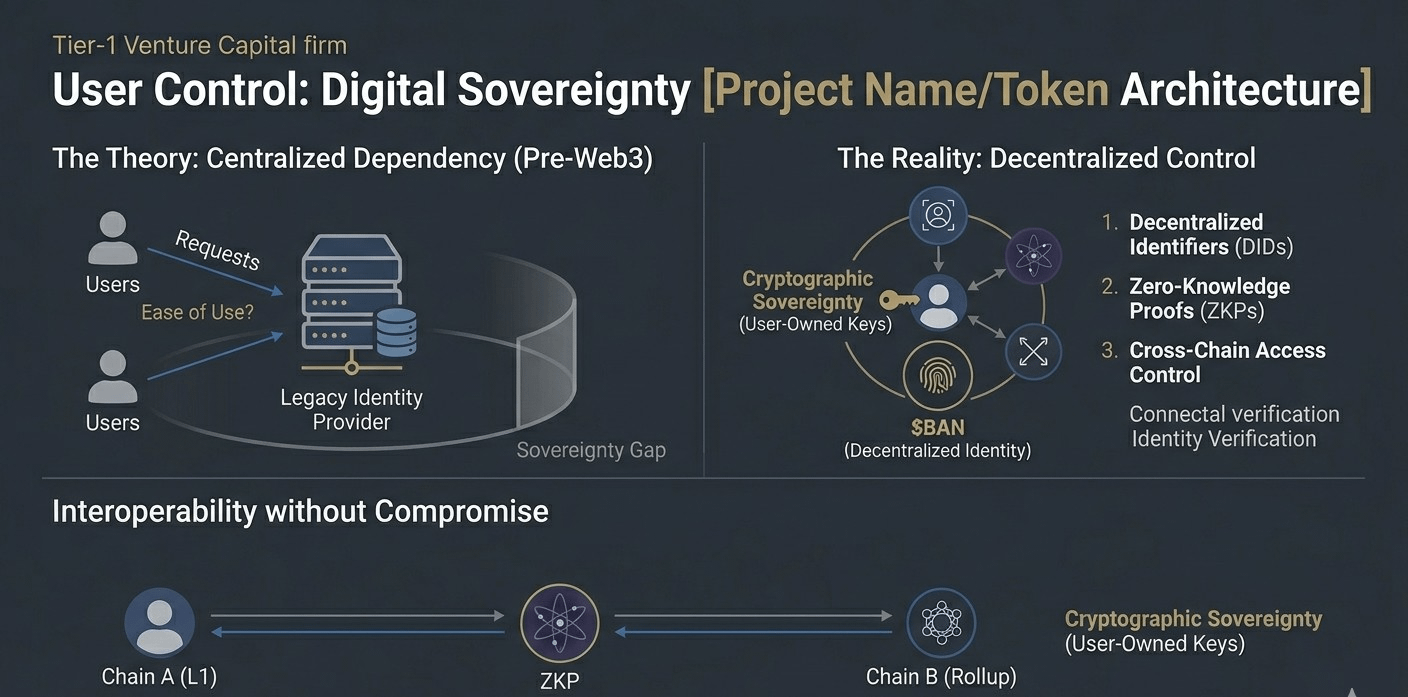
What stands out to me more is how the ecosystem is built around activity instead of speculation. The PIXEL token isn’t just sitting waiting for narrative cycles, it’s tied to what players actually do farming resources, crafting items, trading in marketplace. That creates a more direct link between network usage and token flow. I learned the hard way that many game economies collapse because they reward participation but don’t have enough sinks or real utility. Here the challenge still same but the approach feel more grounded. If players keep engaging the economy has reason to exist, if they don’t then no token model gonna save it.
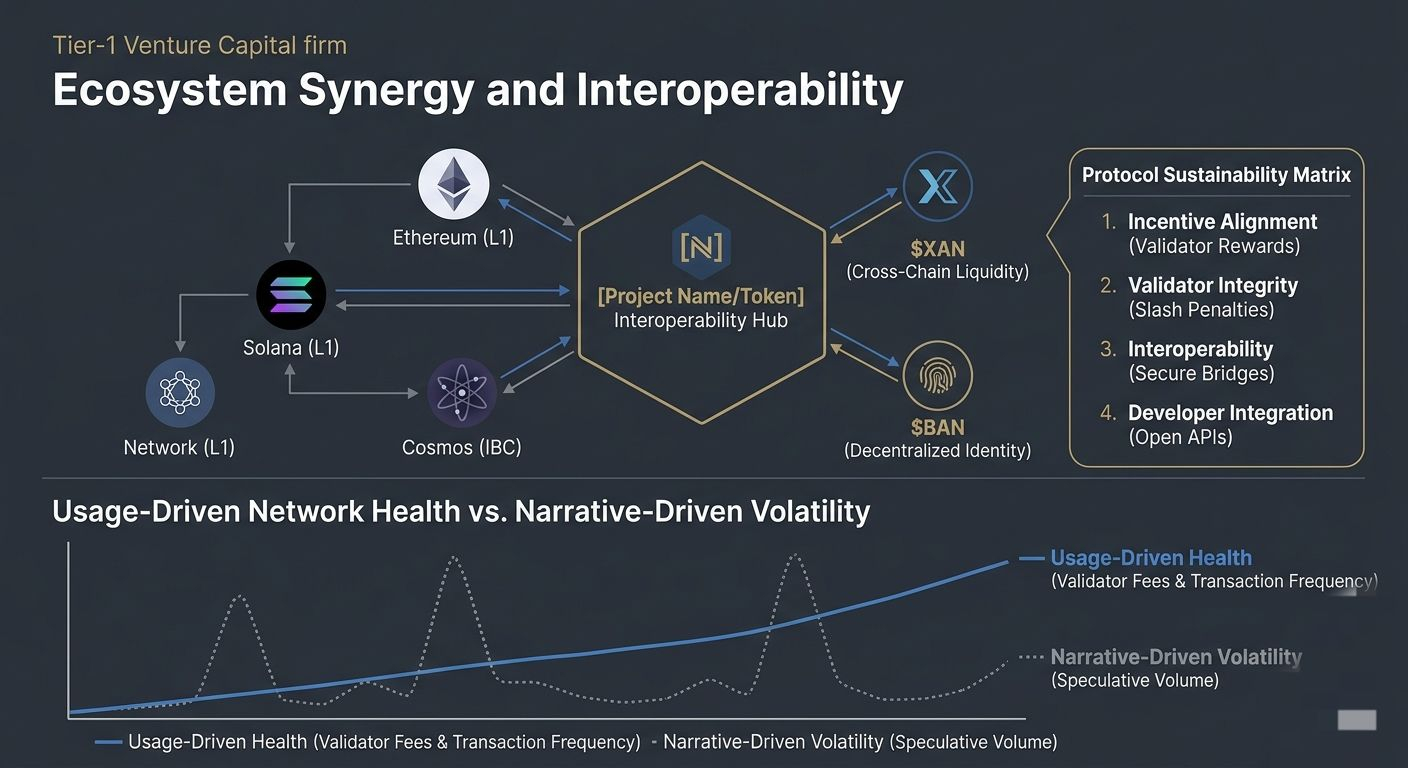
Another thing people don’t notice much is interoperability inside the Ronin ecosystem. Pixels isn’t working alone it benefits from shared infrastructure like wallets, marketplace and user base that already understand the system. That kind of ecosystem synergy matter more then people think. I seen projects with good gameplay fail just because they was building in silos. When assets, users and liquidity move freely across platforms it create a feedback loop, activity in one place feeds another and thats where real network effect start happening.
But I try staying realistic about it. Growth in Web3 gaming is often narrative driven before it becomes usage driven. You’ll see spikes in volume, sudden increase in users and a lot of attention during reward phases. The real signal comes later when incentives slow down and your left with actual behavior. Are players still logging in daily, are they trading building interacting without being pushed. Thats the part I watch closely because it shows if the system is actually sustainable or just temporary hype.
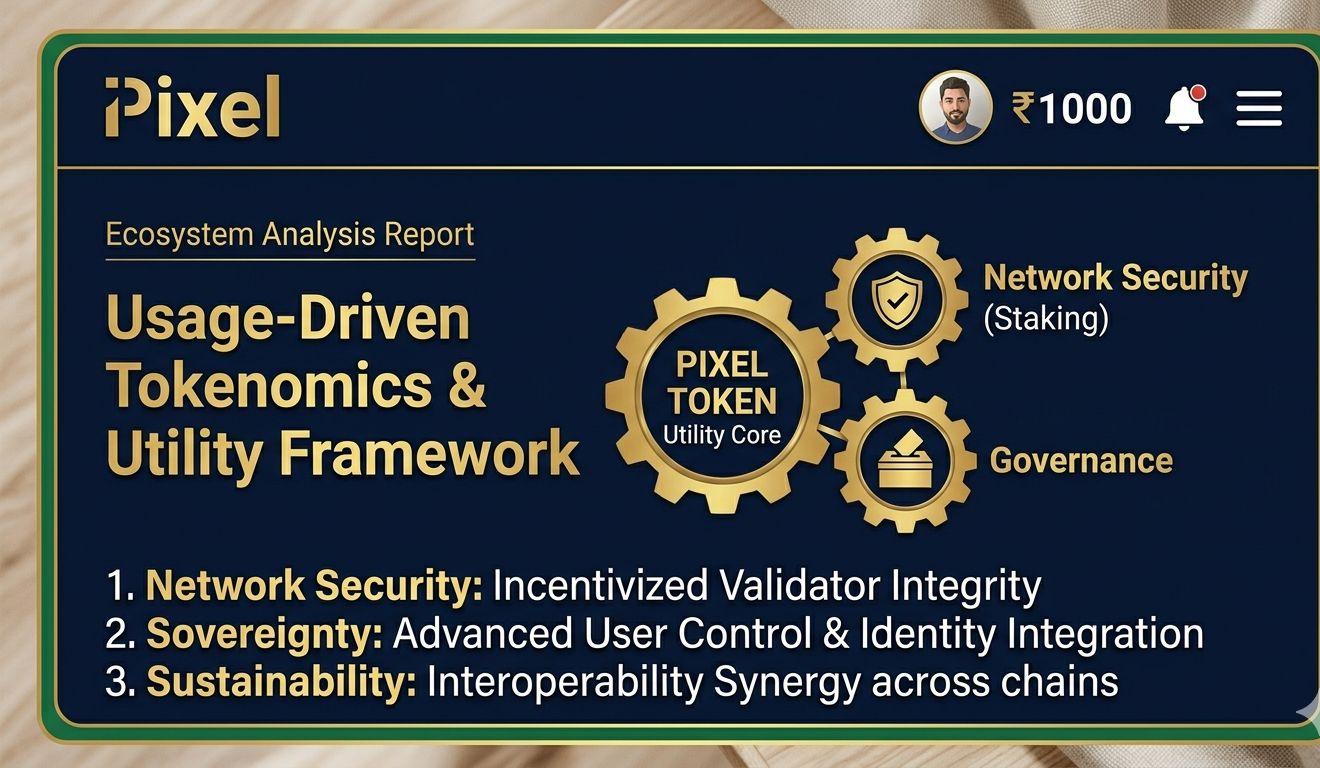
If I break it down what really matter long term its simple. Consistent player activity not just peak moments. A balanced economy where resources have both creation and consumption. Ongoing development that keeps the world evolving. And most important a reason for users to stay that isn’t only financial. Because once incentives fade only the experience remain.
Pixels in my view isn’t trying to solve everything at once. It’s more like testing if Web3 gaming can feel normal without losing its core advantages. And thats harder then it sounds. If it works it won’t be because of hype or short term traction, it will be because players quietly decide that logging in again tomorrow just makes sense.