
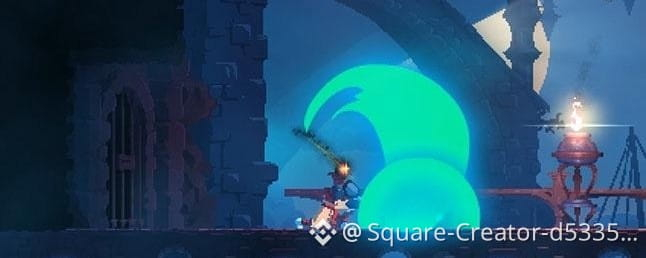
@Pixels Pixel graphics aren’t just a relic of the past—they’ve become a deliberate artistic choice in modern game design. What started as a technical limitation in early hardware is now used for style, nostalgia, and even gameplay clarity.
PIXEL graphics in modern video games
Pixel graphics aren’t just a relic of the past—they’ve become a deliberate artistic choice in modern game design. What started as a technical limitation in early hardware is now used for style, nostalgia, and even gameplay clarity.
🎮 What “Pixel Graphics” Mean Today
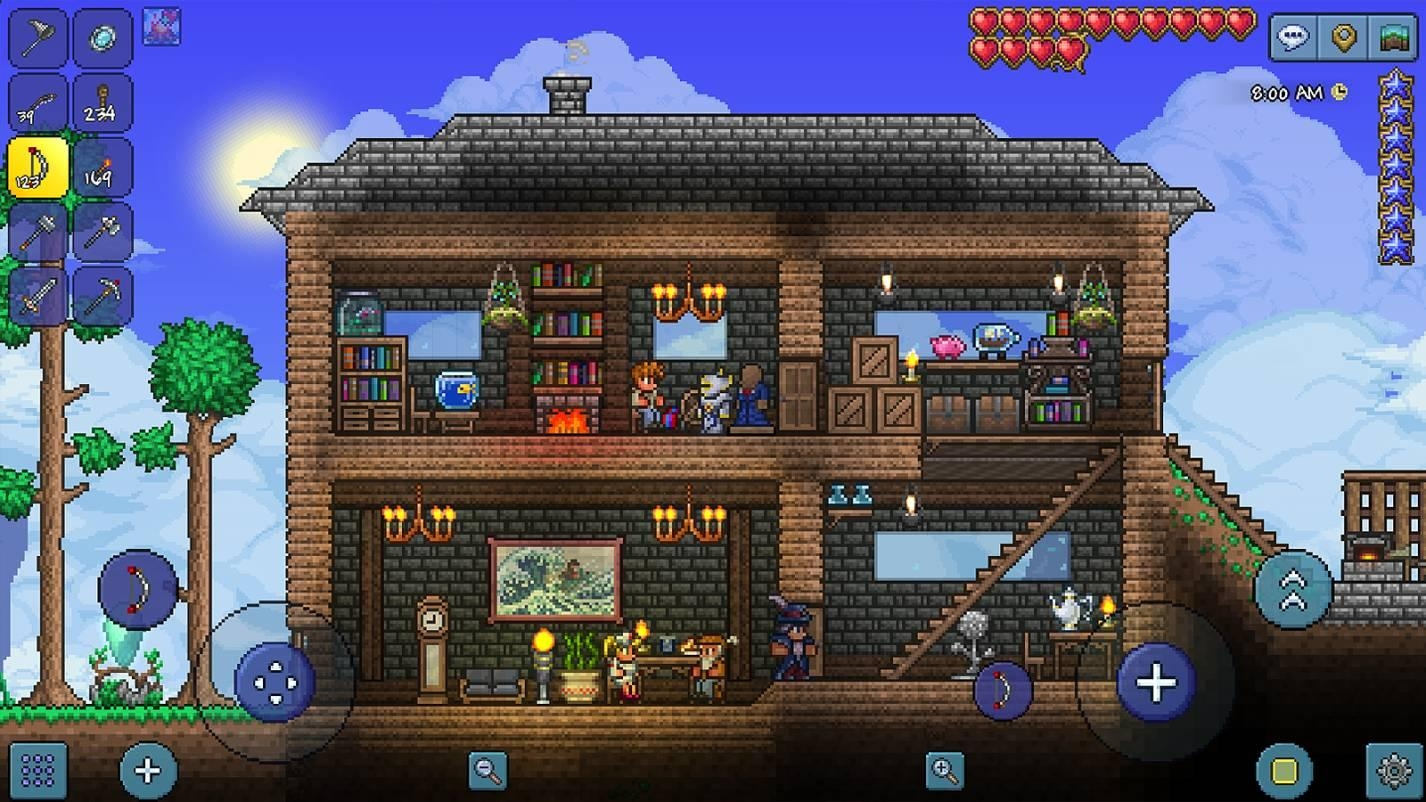
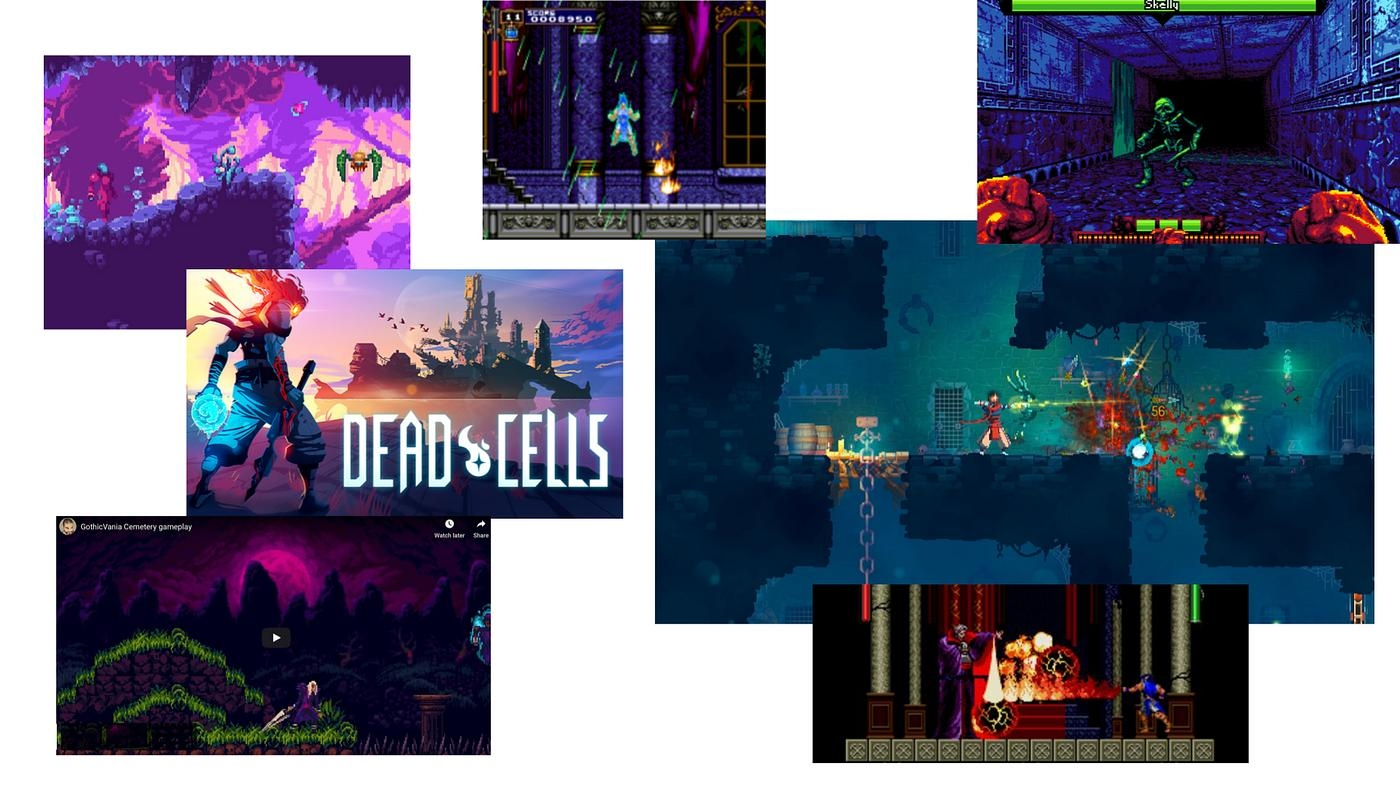
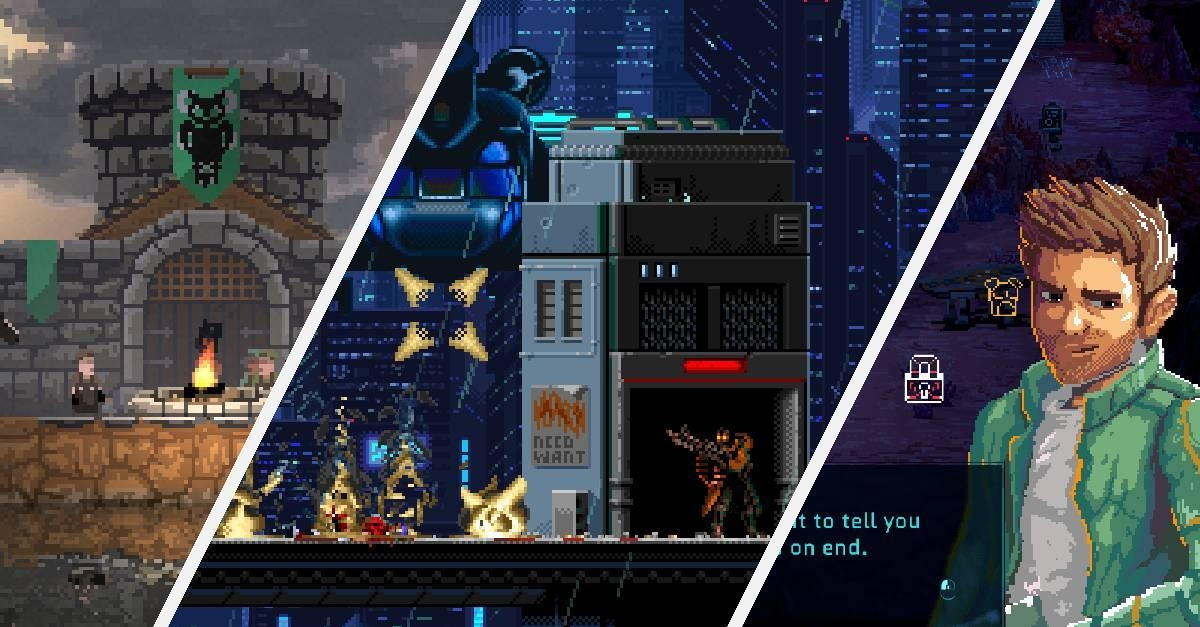
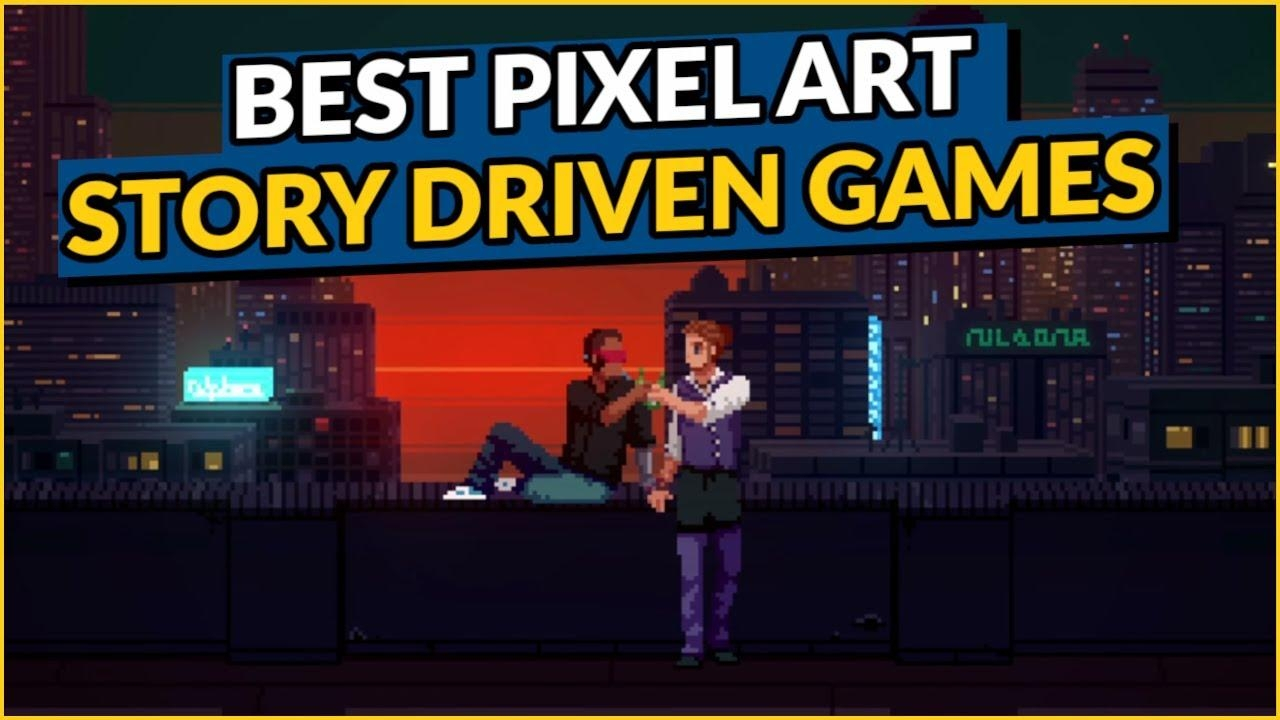

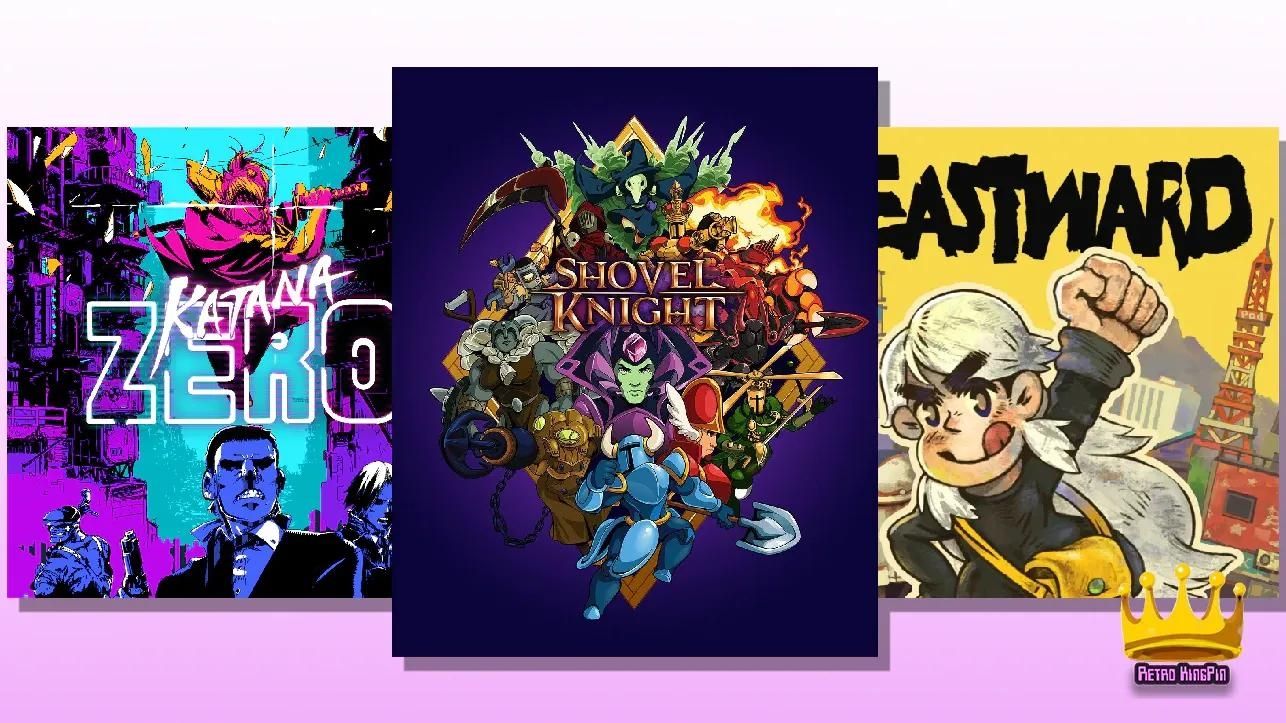
In modern games, pixel graphics (often called pixel art) refer to visuals built from visible square “pixels,” but with far more sophistication than older consoles allowed. Today’s pixel art uses:
Higher resolutions and color palettes
Advanced lighting and shaders
Smooth animations (sometimes blending 2D and 3D)
So while it looks retro, it’s technically far more advanced.
🧠 Why Developers Still Use Pixel Art
Pixel graphics are thriving, especially in indie games. Here’s why:
1. Artistic Identity
Pixel art creates a distinct, memorable look. Games like Celeste and Undertale use it to reinforce mood and storytelling.
2. Nostalgia Factor
It taps into the feel of classic consoles like the Nintendo Entertainment System or Super Nintendo Entertainment System—even for players who never owned them.
3. Performance & Scope
Compared to hyper-realistic 3D, pixel art can be less resource-intensive, allowing small teams to build complete games.
4. Gameplay Clarity
Clean, simple visuals can make mechanics easier to read—especially in fast-paced or precision games.
✨ Modern Techniques That Elevate Pixel Art
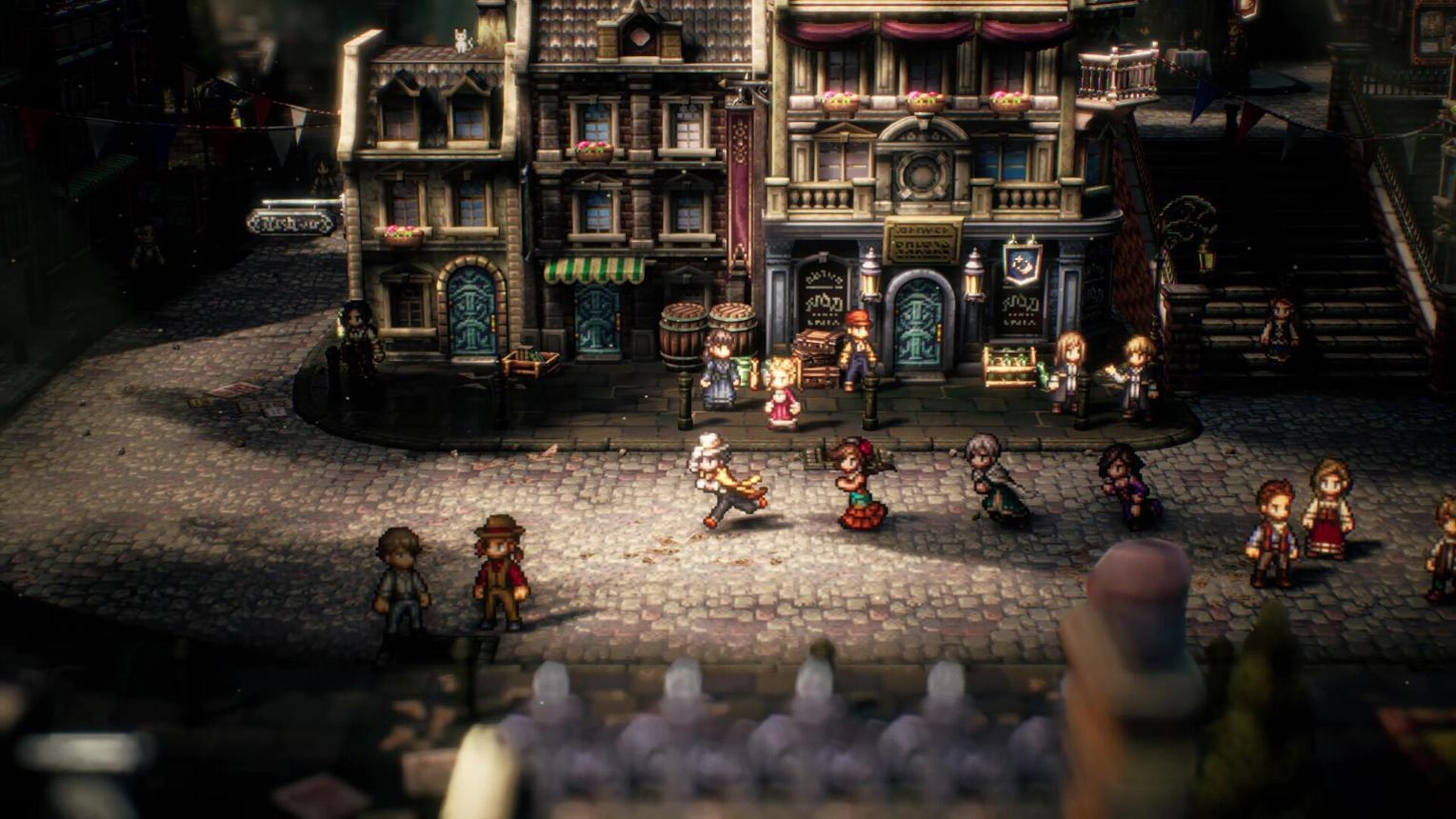
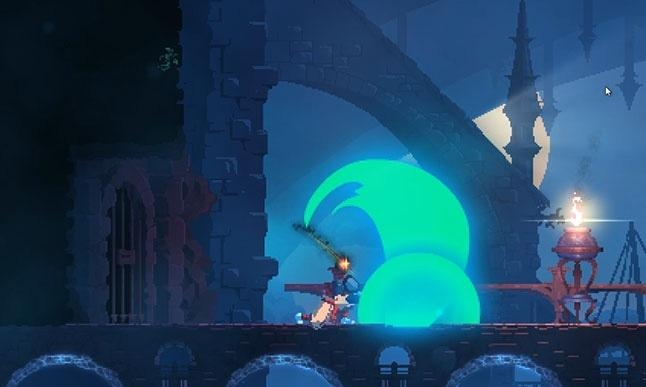
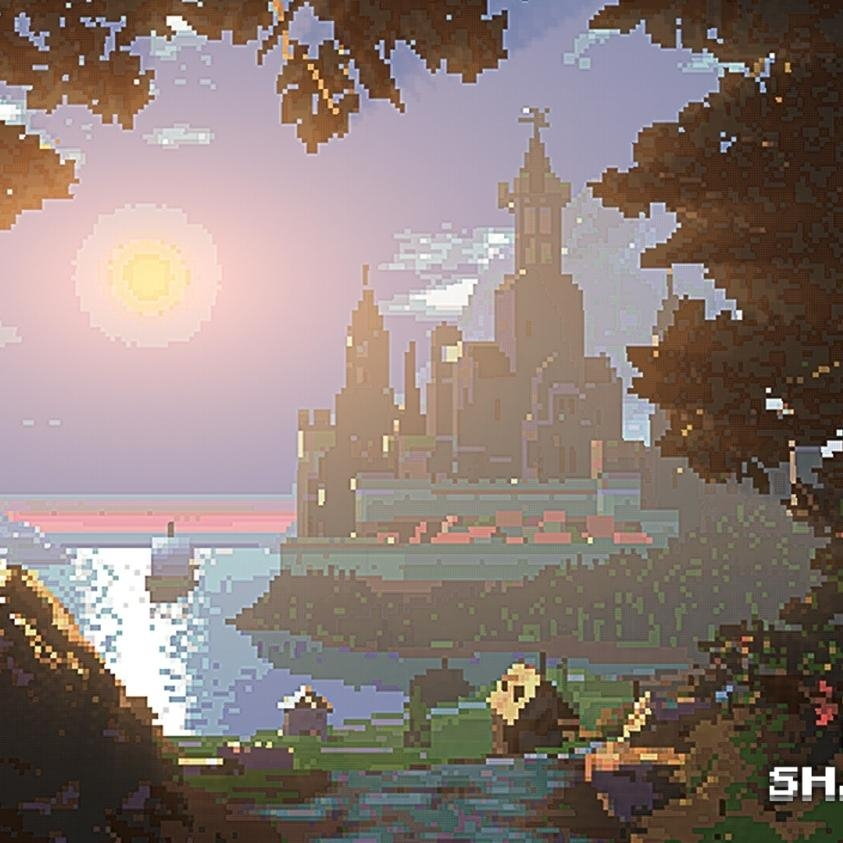
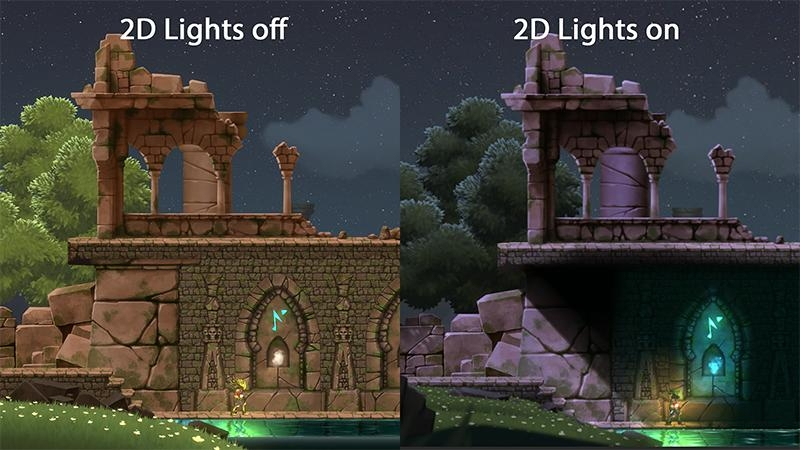
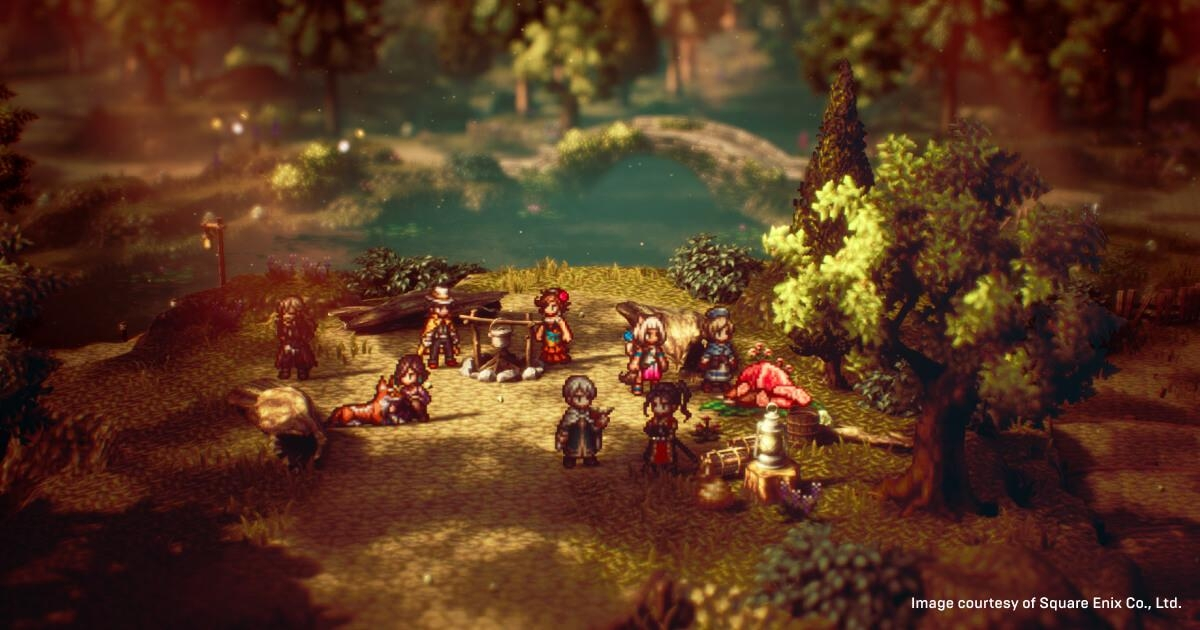

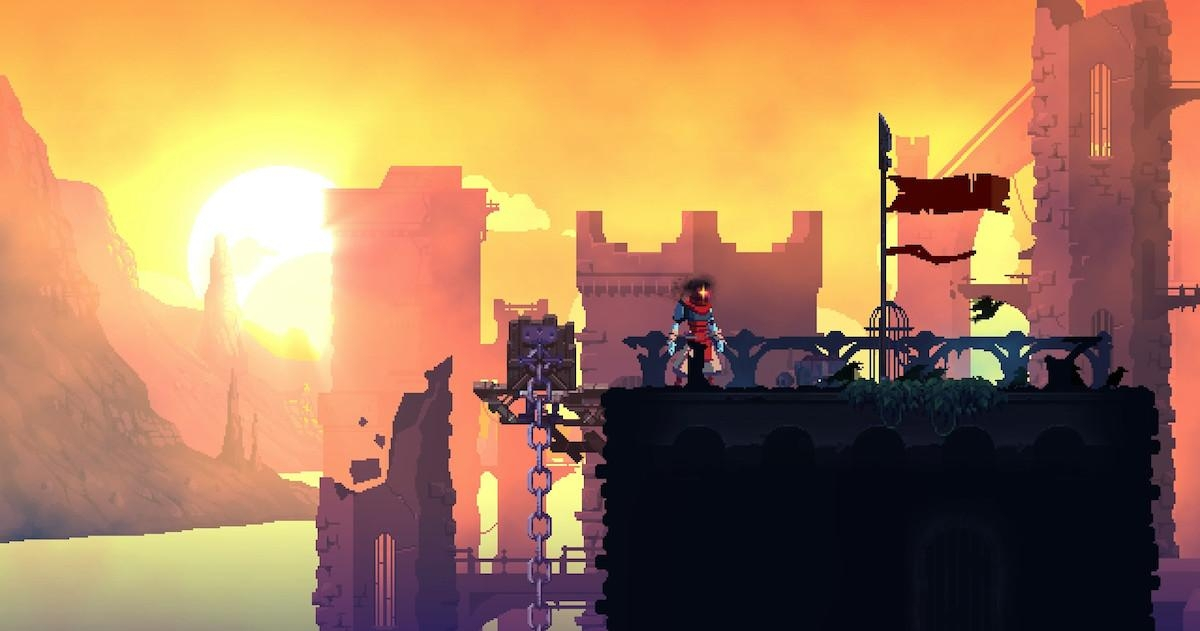
Modern developers don’t just stick to old limitations—they enhance pixel art with:
Dynamic lighting & shadows (e.g., Octopath Traveler style)
Particle effects & physics
High-frame animations like in Dead Cells
Hybrid engines mixing pixel characters with 3D environments
This blend is sometimes called HD-2D, a modern evolution of pixel design.