

I remember sitting with a friend once who ran a referral program for his e-commerce business. Every month he would ask me if I thought the discounts were working. Every month I had no answer for him. Neither did he. He was spending. He was not measuring. Most companies in most industries have been doing exactly that since loyalty programs were invented.
The gaming world is no different. Studios spend on rewards constantly. Free drops, bonus items, event currencies, re-engagement gifts. All of it goes out. Very little of it gets measured against anything real. Not because studios are careless but because the data infrastructure to measure it has never existed cleanly enough to build a reliable metric on top of.
That is what makes what @Pixels has done genuinely unusual.
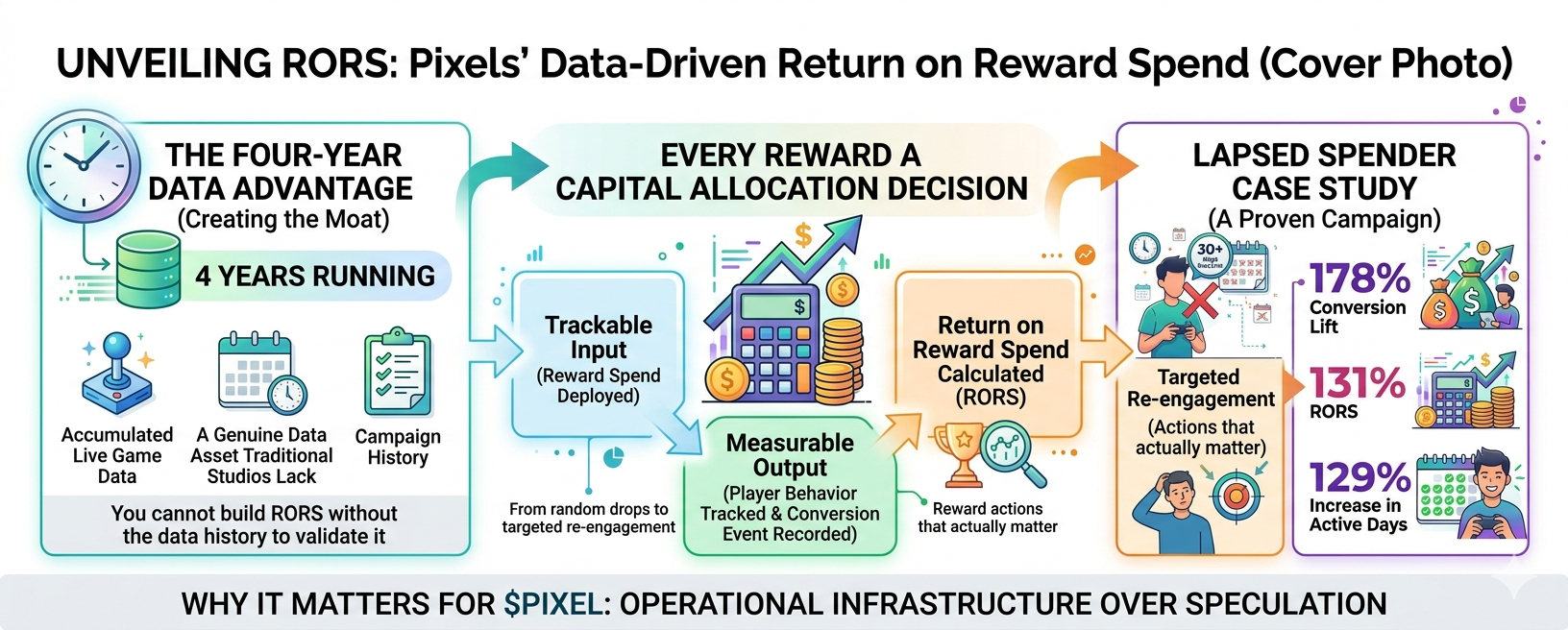
Four years of running a live game is not just a timeline. It is a data asset. Every player action, every reward distributed, every moment a user went quiet and then came back, every campaign that worked and every one that quietly failed. All of that accumulated into something most studios simply do not have access to because they have not been running at the same depth for long enough.
From that accumulation came something the industry had no name for yet.
Return on Reward Spend.
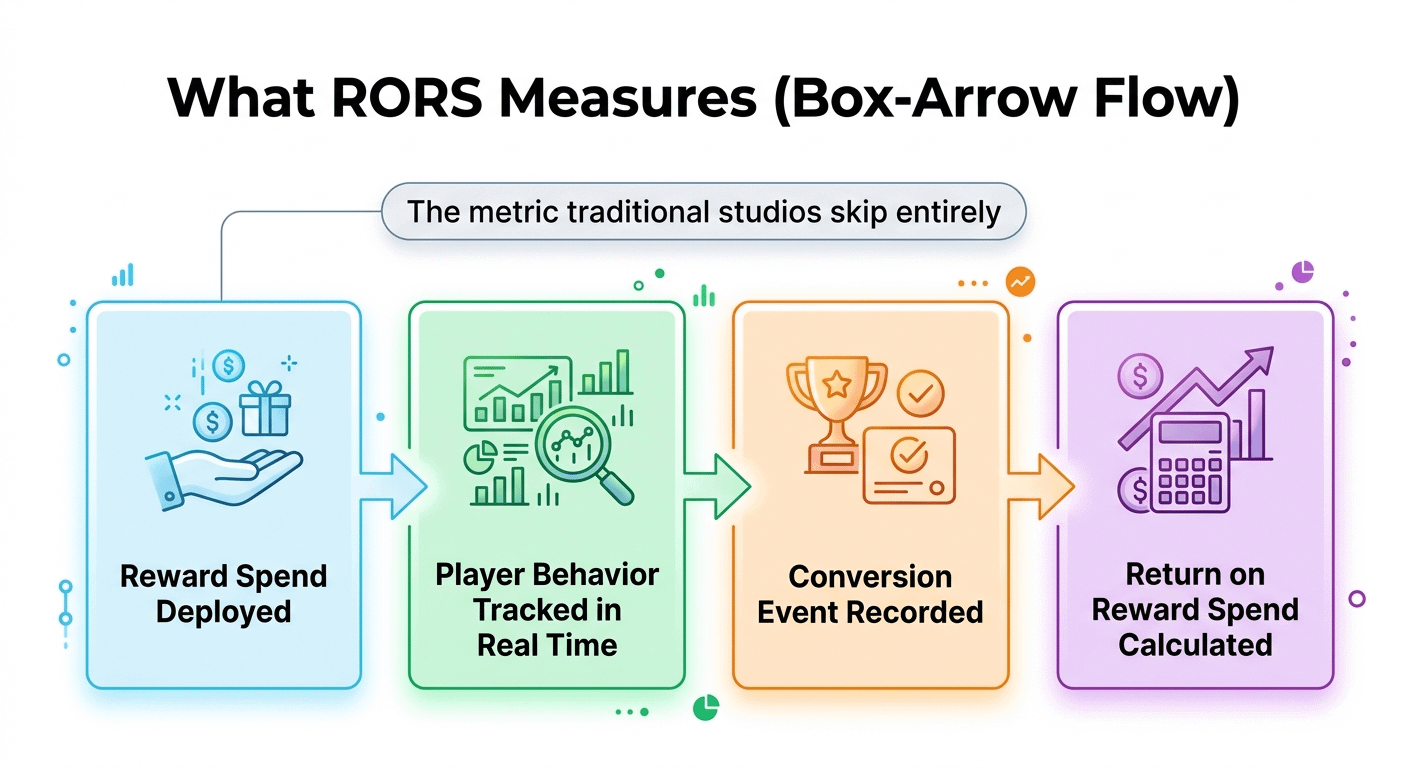
The idea is direct but the implications are not. It means that every reward deployed inside the $PIXEL ecosystem is not just an expense but a trackable input with a measurable output. You do not guess whether a reward brought a player back. You know. You do not assume a campaign worked because activity went up briefly. You measure what conversion actually looked like against what you spent to create it.
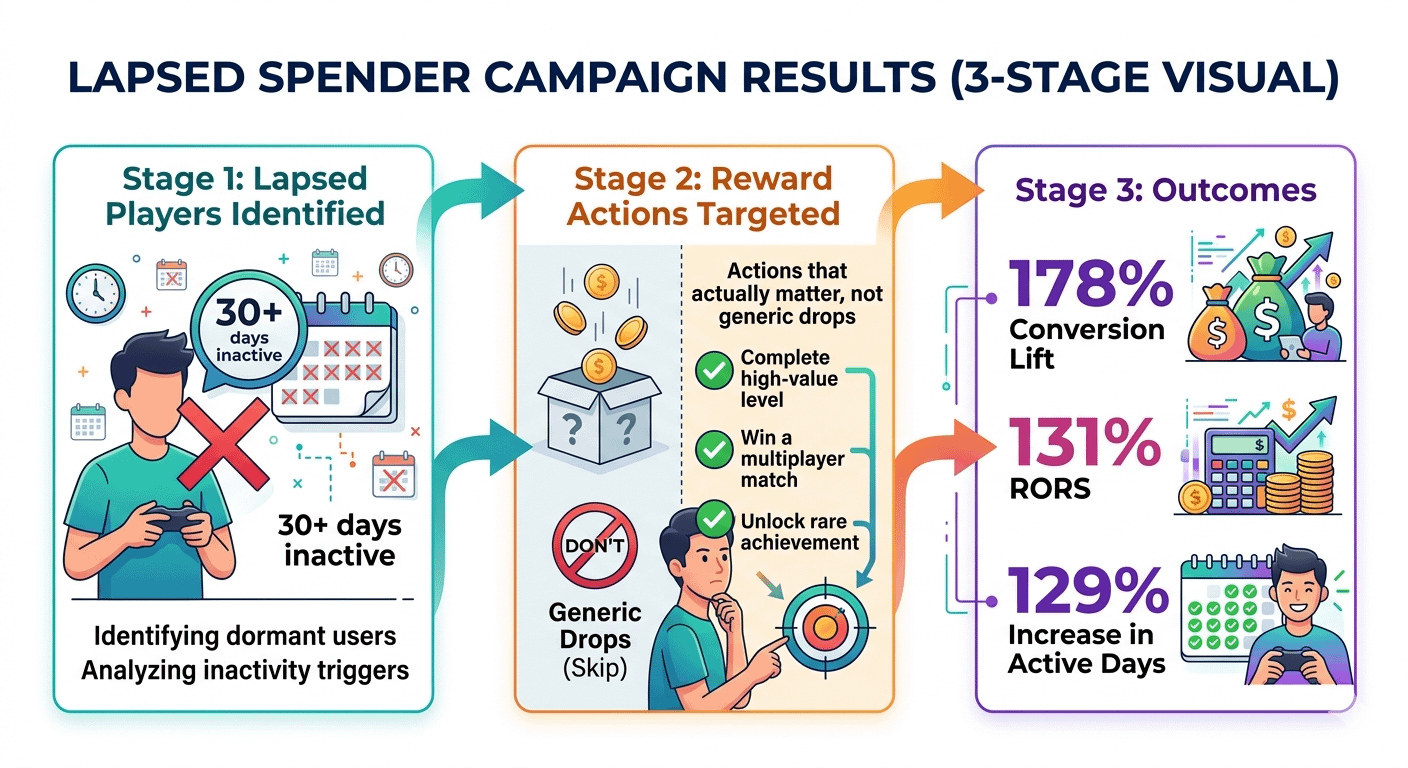
The number that proved the concept was not theoretical. It came from a real campaign targeting players who had been inactive for thirty or more days. Lapsed spenders. The category that most studios either ignore or address with generic re-engagement nudges that feel impersonal because they are.
Pixels approached it differently. The philosophy behind the campaign was articulated clearly by Luke from the team: reward actions that actually matter. Not random drops. Not passive participation. Specific behaviors that indicate genuine re-engagement rather than a momentary response to an incentive.
The results from that campaign produced a 178% lift in conversion. The return on reward spend came in at 131%. Active days for re-engaged players increased by 129%.
These are not marketing estimates. They are outcomes from a controlled effort where the metric existed before the campaign ran, which is exactly what makes them credible.
The reason this matters for $PIXEL specifically is that it changes the conversation around what the token is attached to. Game tokens often get evaluated purely on speculation or on vague references to ecosystem activity. What Pixels is quietly building underneath is a studio with the operational infrastructure to demonstrate return on every dollar spent inside its economy.
That is a different kind of value proposition. Not hype about user growth. Not promises about future gameplay. A demonstrated ability to bring players back at measurable efficiency and quantify exactly what that costs and what it returns.
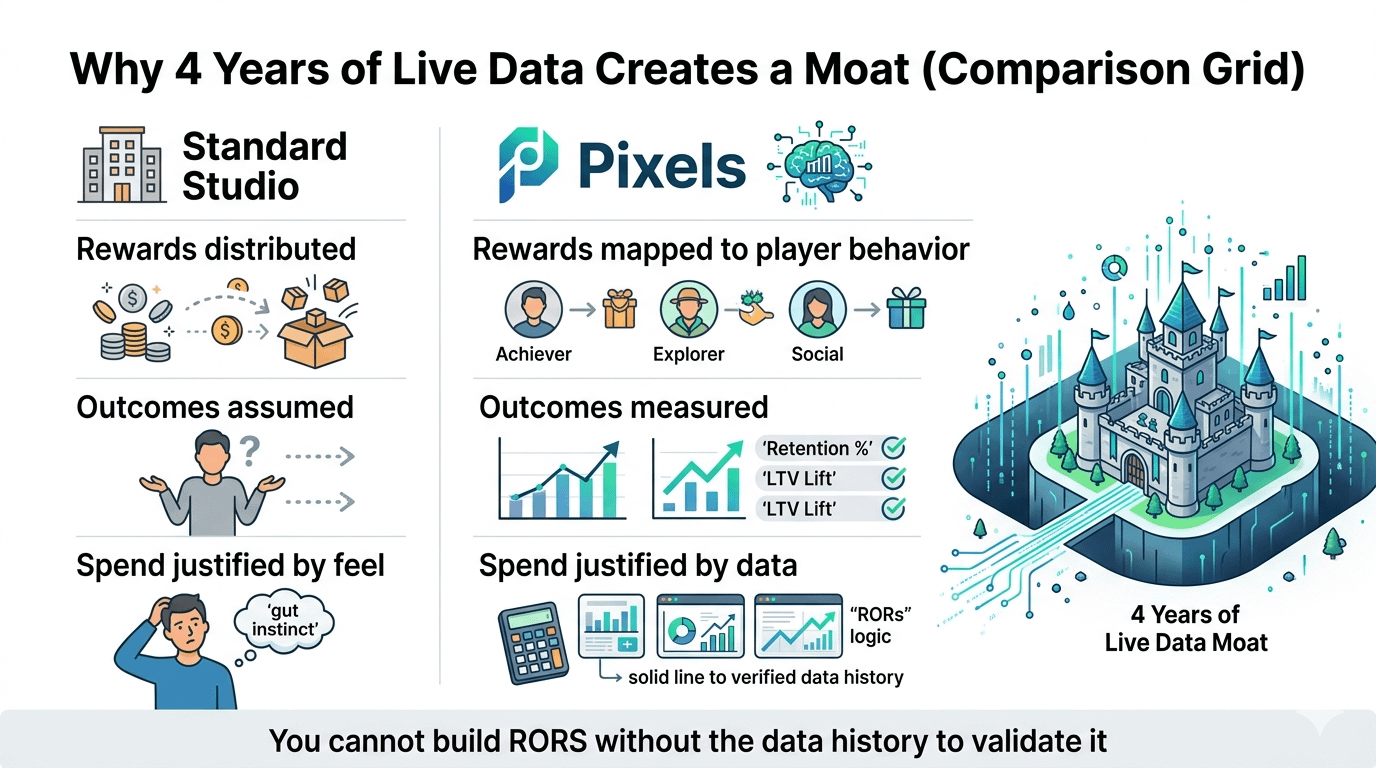
Most studios cannot do this. Not because they lack ambition but because they lack the four years of live production data that makes the metric possible to build honestly.
The risk embedded here is real. Engagement can slow. Data advantages decay when player behavior shifts dramatically. And re-engagement campaigns are only as powerful as the product people are returning to. If the underlying game experience does not justify coming back, no metric optimizes around that gap permanently.
But for now the infrastructure is there and the numbers have been proven once in a live environment.
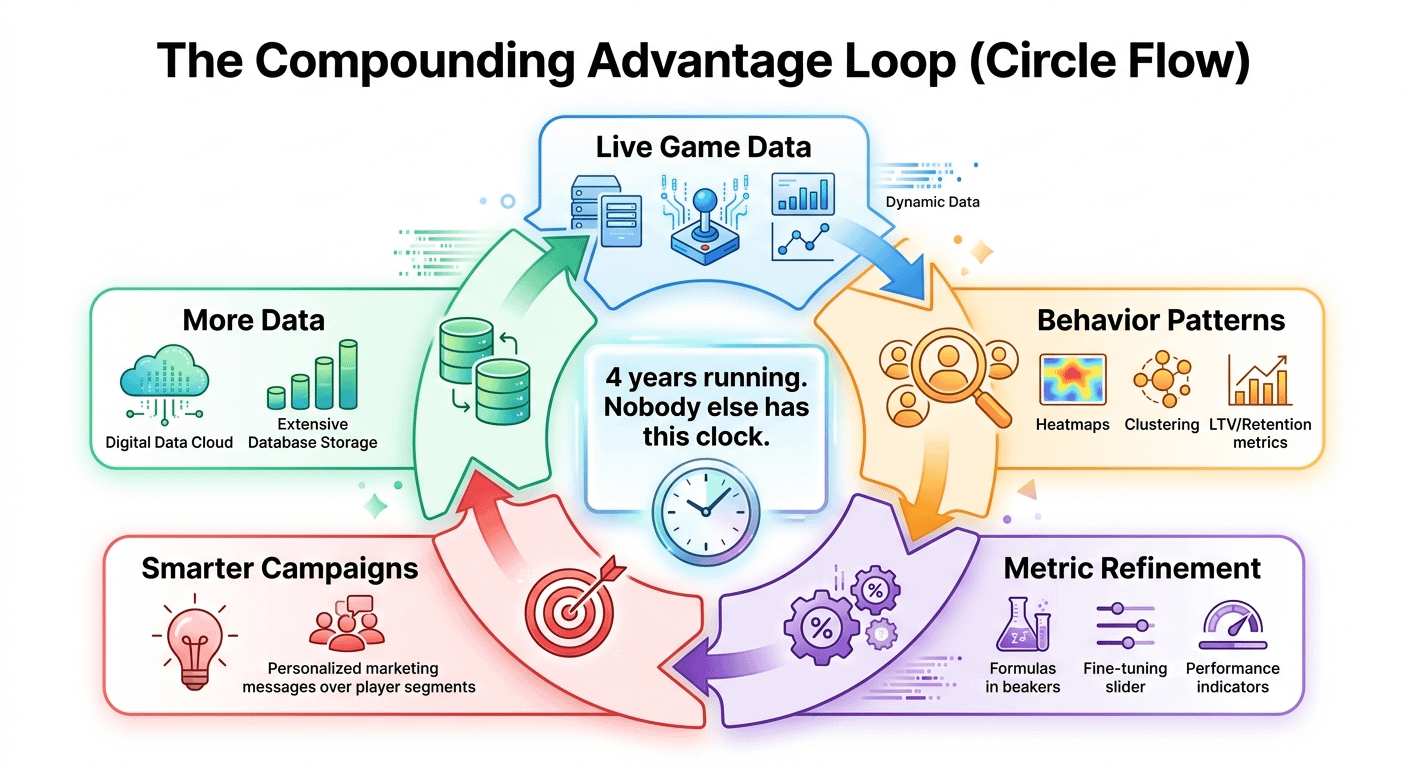
That is the part worth watching. Not the price chart. Not the market cycle. The fact that a studio running $PIXEL has started treating reward spend like a capital allocation decision with measurable return.
When studios operate like that, they tend to get better at it over time.
Watch for what they prove next.