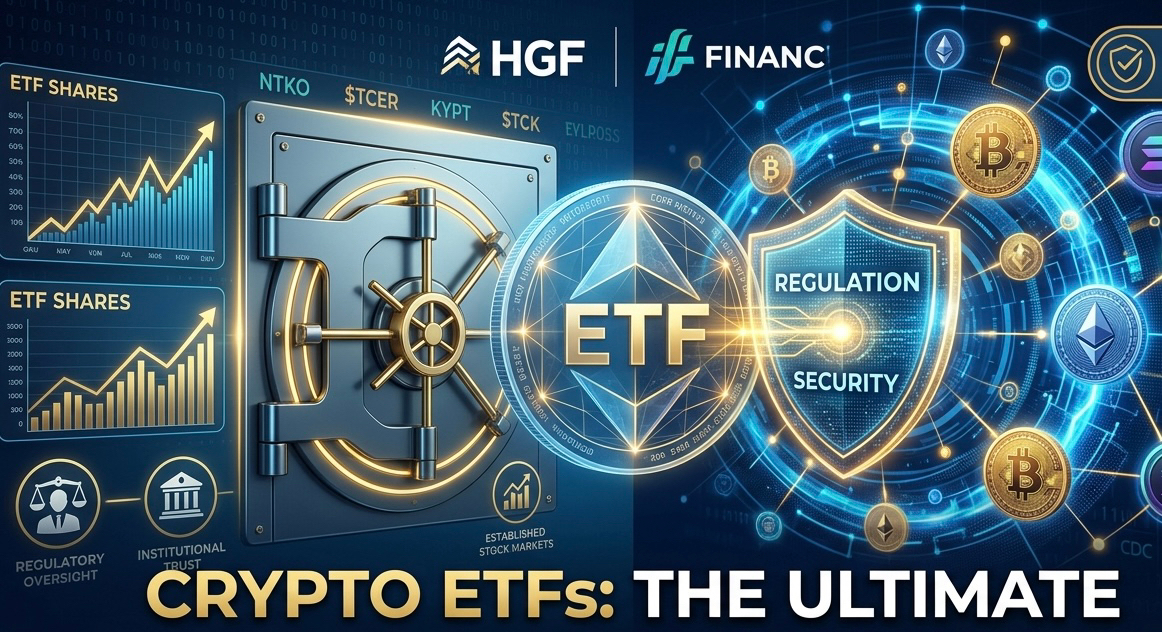

What is a Crypto ETF?
A Crypto ETF is a fund that tracks the performance of one or more digital assets and trades on traditional stock exchanges. It allows you to participate in the price action of assets like Bitcoin or Ethereum without ever having to touch a blockchain.
There are two distinct types you must understand:
👉🏼Spot ETFs: These funds hold the actual "physical" cryptocurrency in institutional-grade cold storage. They track the live market price of the asset very closely.
👉🏼 Futures ETFs: These track derivative contracts (agreements to buy/sell at a future price). Because these contracts must be "rolled over" as they expire, they can sometimes deviate from the actual spot price of the asset.
The Advantages: Bridging the Gap
According to Binance Academy, the primary benefits focus on removing the technical barriers to entry:
1. Seamless Accessibility: You can buy them through your existing brokerage account or retirement plans (like IRAs/401ks) just like buying a share of Apple or Tesla.
2. No Custody Management: The technical burden of managing private keys, hardware wallets, and seed phrases is gone. The fund manager handles the high-level security and storage.
3. Regulatory Oversight: Unlike direct crypto trading which can happen on unregulated platforms, ETFs operate within the strict legal frameworks of traditional financial markets, offering significantly higher investor protection.
4. Instant Diversification: While many ETFs track a single asset (like Bitcoin), newer "multi-asset" or index-style ETFs allow you to gain exposure to a basket of different cryptocurrencies in a single trade, reducing concentration risk.
The Disadvantages: The Trade-offs of Convenience
Despite the benefits, there are critical risks and costs to consider:
1. Management Fees: Convenience comes with an "expense ratio." These recurring fees can eat into your long-term returns compared to buying the asset once and holding it for free in your own wallet.
2. No Direct Ownership: You own shares in a fund, not the coin itself. This means you cannot use the crypto for transactions, "stake" it for rewards, or use it on decentralized applications (dApps).
3. Tracking Errors: Especially in Futures ETFs, the fund’s price might not perfectly match the cryptocurrency’s price due to contract costs and market timing.
4. Volatility Persistence: The "ETF wrapper" does not shield you from price swings. If the underlying cryptocurrency crashes, the ETF will crash just as hard.
5. Limited Trading Hours: Digital assets trade 24/7. However, if a major market event happens on a Saturday, you cannot sell your ETF until the stock exchange opens on Monday morning.