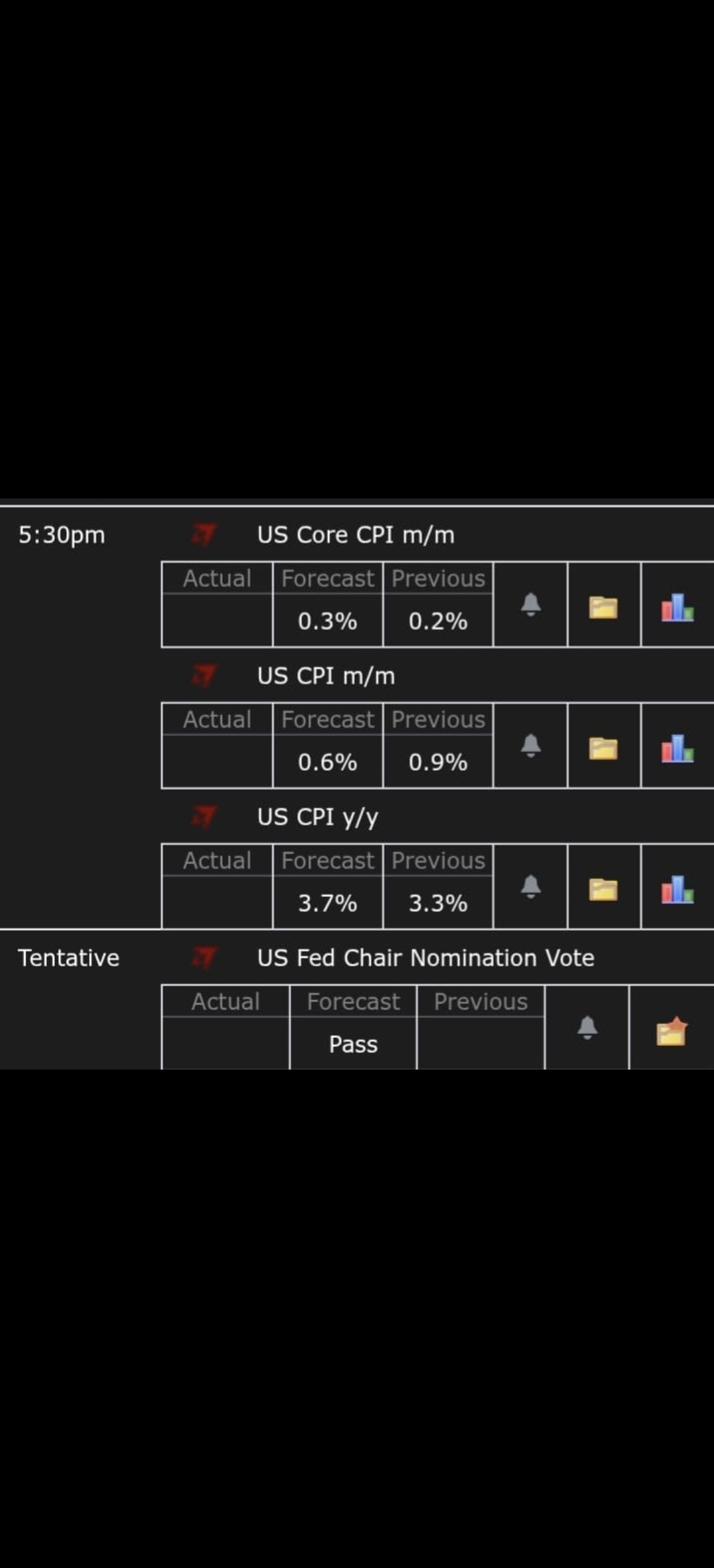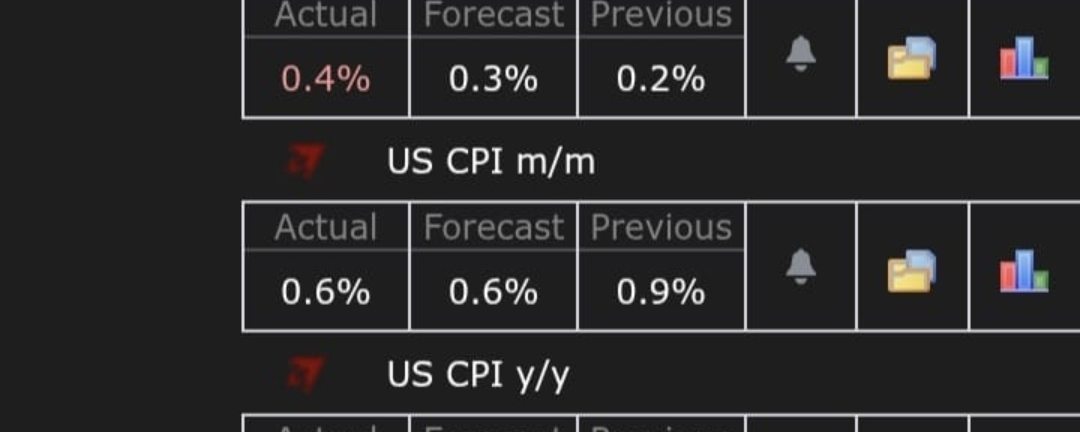
Inflation is one of the most critical indicators of economic health, influencing everything from central bank interest rates to the price of a gallon of milk. To measure it, economists primarily rely on two complementary indices: the Consumer Price Index (CPI) and the Producer Price Index (PPI).
What is CPI?
The Consumer Price Index (CPI) measures the average change over time in the prices paid by urban consumers for a market basket of consumer goods and services. It reflects the "out-of-pocket" expenses for the end-user, covering categories like food, energy, housing, and transportation.
What is PPI?
The Producer Price Index (PPI) measures the average change over time in the selling prices received by domestic producers for their output. While CPI looks at the consumer’s perspective, PPI looks at the costs from the manufacturer's side. Because producers often pass their increased costs down to consumers, PPI is often viewed as a leading indicator for future CPI trends.
Key Variations: Core vs. Headline
When reading inflation reports, you will often see "Headline" data compared against "Core" data.
Core CPI/PPI:
This metric excludes volatile food and energy prices. Because gas and grocery prices can fluctuate wildly due to temporary supply shocks (like weather or geopolitics), the "Core" figure provides a clearer picture of the long-term underlying inflation trend.
Headline CPI/PPI:
This includes every category in the basket, providing a more accurate reflection of what people are actually spending in the moment.
Measuring Momentum: MoM vs. YoY
Inflation isn't just about the price; it’s about the speed of the change.
Metric Definition Purpose
Month-over-Month (MoM)
Compares price levels of the current month to the previous month. Captures immediate shifts in the economy and short-term momentum.
Year-over-Year (YoY)
Compares price levels of the current month to the same month one year ago. Smooths out seasonal fluctuations and shows the annual rate of inflation.
The Vital Difference
The fundamental difference between the two lies in the point of sale.
CPI tracks the retail level (what you pay at the store).
PPI tracks the wholesale level (what the factory receives).
If the PPI rises sharply while the CPI remains flat, it suggests that business profit margins are being squeezed. Eventually, those businesses may be forced to raise retail prices, causing CPI to catch up.
The Impact on the Crypto Market
In the current 2026 economic landscape, CPI and PPI data act as massive volatility triggers for the crypto market, primarily because of their influence on Federal Reserve monetary policy. Cryptocurrencies, particularly Bitcoin and Ethereum, are classified as "risk-on" assets. When CPI or PPI data comes in higher than expected—indicating persistent inflation—it signals that the Fed may keep interest rates high for longer or even consider further hikes. High interest rates generally strengthen the U.S. Dollar and make "safe" yields (like Treasury bills) more attractive, which often leads to a sell-off in the crypto market. Conversely, "softer" inflation data fuels hope for rate cuts, increasing market liquidity and often driving Bitcoin toward new resistance levels, such as the $80,000 mark seen in recent months